Pursuing high fresh-meat or functional premium pet food formulas often leads manufacturers to make a costly mistake: installing massive industrial extrusion systems too early. This approach frequently sacrifices the agility needed for recipe adjustments and inflates initial trial-and-error expenses, turning what should be a boutique production advantage into an operational burden.
For brands focusing on complex, high-value formulations, small pet food lines offer superior flexibility, lower capital risk, and faster iteration cycles compared to large-scale systems. Large extrusion systems excel in volume efficiency for standardized products, but they lack the precise thermal control and rapid changeover capabilities required for sensitive, low-volume premium recipes. The choice ultimately depends on your target capacity and the complexity of your product matrix.
Formulation Agility: Precision Control in Small vs. Large Extruders
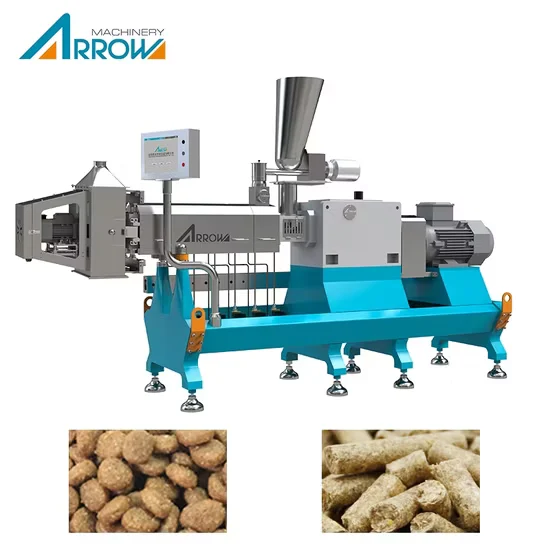
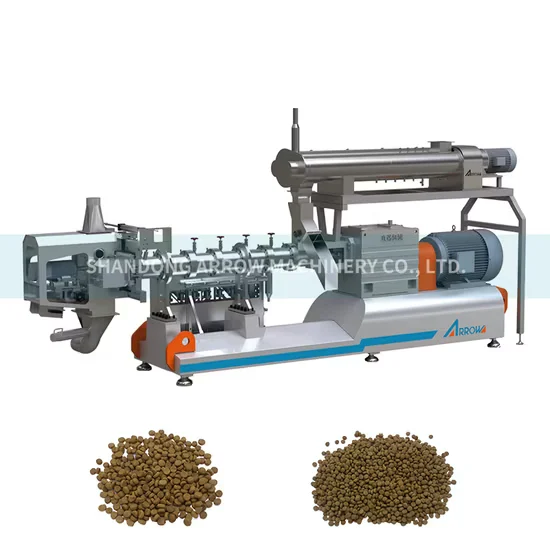
When processing high fresh-meat inclusions or delicate functional additives, the thermal history of the dough is critical. Large twin-screw extruders possess significant barrel volumes that can generate excessive shear heat and prolong residence time. This environment often degrades sensitive nutrients or ruins the Maillard reaction profiles desired in premium kibble. In contrast, compact Twin-Screw Extruder units allow for finer adjustments to screw configuration and barrel temperature zones. This precision enables processors to maintain lower thermal loads while achieving adequate starch gelatinization.
Small-scale systems are inherently designed for variability. A boutique manufacturer might switch between a grain-free puppy formula and a senior cat diet multiple times a week. On a large line, purging the system between such distinct recipes consumes substantial raw material and downtime. Smaller setups minimize this waste, allowing R&D teams to test new ingredient ratios without committing to tons of inventory. This agility is vital when validating market acceptance before scaling up.
The mechanical design of smaller extruders also facilitates easier access for maintenance and cleaning. For facilities producing hypoallergenic or limited-ingredient diets, cross-contamination risks must be minimized. The reduced surface area and simpler disassembly processes of compact machines support stricter hygiene protocols. While large systems offer stability for continuous 24/7 operation of a single SKU, they are less forgiving when frequent formulation changes are required.
Capital Efficiency and Footprint: Planning a New Facility
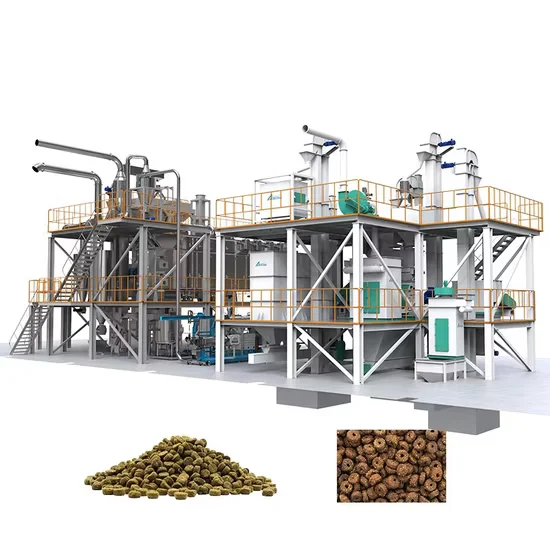
Establishing a new pet food manufacturing plant involves significant infrastructure investment. Large extrusion systems demand extensive floor space, heavy-duty foundations, and substantial utility connections. For a startup or a brand expanding into a new region like New Zealand, these requirements can delay commissioning and inflate construction costs. Small pet food lines, by comparison, fit into existing industrial units or smaller dedicated buildings, reducing the barrier to entry.
Utility consumption is another critical factor. Large dryers and extruders require high-capacity steam boilers and electrical transformers. Operating these assets at partial load during the initial market penetration phase is inefficient and costly. Smaller lines match their energy draw to their output, ensuring that every kilowatt-hour contributes directly to production. This efficiency is particularly important in regions with high energy costs or limited grid capacity.
Moreover, the initial capital outlay for a complete small-scale line is significantly lower than that of a high-capacity turnkey plant. This financial flexibility allows investors to allocate more resources toward marketing, distribution, and quality control rather than tying up cash in underutilized machinery. It also reduces the pressure to achieve immediate high-volume sales, giving the brand time to build a loyal customer base.
Downstream Processing: Matching Drying and Coating to Batch Sizes
Extrusion is only one part of the process; drying and coating determine the final shelf life and palatability. Large facilities typically use massive external air circulation dryers or continuous belt dryers. These systems are efficient at scale but suffer from poor thermal efficiency when running at low capacities. For small-batch premium production, a Cross-Flow Circulation Dryer offers better control over moisture removal. It ensures uniform drying without overheating the product, which is essential for maintaining the integrity of heat-sensitive vitamins and probiotics.
Coating applications for premium foods often involve high-fat inclusions or expensive liquid flavors. Using a large double-drum flavoring machine for small batches can result in uneven coverage and significant product loss in the transfer lines. Smaller Vacuum Coating Machine units or single-drum flavorers provide precise application rates, ensuring that every piece of kibble receives the correct amount of coating. This precision reduces waste of costly ingredients and enhances the sensory appeal of the final product.
Matching the capacity of downstream equipment to the extruder is crucial. A bottleneck in drying or coating can negate the benefits of a fast extruder. Small lines allow for balanced throughput across all stages, ensuring smooth operation without the need for large intermediate storage buffers. This integration simplifies the workflow and reduces the footprint of the entire production area.
Modular Growth: Future-Proofing Your Production Capacity
Investing in a small line does not mean limiting future growth. A modular approach allows manufacturers to start with standalone machines and expand as demand increases. For instance, a brand might begin with a basic extrusion and drying setup, then add a dedicated mixing system or a second extruder module later. This strategy spreads capital expenditure over time and aligns investment with actual market performance.
Shandong Arrow Machinery supports this phased development by offering both individual machines and integrated lines. Customers can start with a core set of equipment and upgrade to a fully automated turnkey solution as their volume grows. This flexibility ensures that the initial investment remains relevant and valuable, even as production needs evolve. It also allows for the incorporation of new technologies or processes, such as cold extrusion for treats, without replacing the entire plant.
Furthermore, modular upgrades minimize disruption to ongoing production. Adding a new module can often be done during scheduled maintenance windows, avoiding lengthy shutdowns. This continuity is vital for maintaining supply chain reliability and customer trust. By planning for scalability from the outset, manufacturers can avoid the costly and complex process of retrofitting a large, rigid system later.
Frequently Asked Questions
Q: Can a small twin-screw extruder handle high fresh meat inclusion for premium kibble?
A: Yes, small twin-screw extruders are well-suited for high fresh-meat formulas. Their precise temperature control and adjustable screw configurations allow for effective processing of high-moisture ingredients without excessive shear heat. This capability ensures proper cooking and shaping while preserving nutritional value, making them ideal for premium, sensitive recipes.
Q: How does the drying capacity of a cross-flow dryer match a small-scale extrusion line?
A: Cross-flow dryers provide consistent airflow and temperature distribution, which is essential for small batches. They prevent case hardening and ensure uniform moisture removal, matching the output rate of small extruders. This balance avoids the inefficiencies of running large drying tunnels at partial load, saving energy and protecting product quality.
Q: Is it possible to upgrade a small pet food line to a fully automated large system later?
A: Absolutely. Starting with a modular setup allows for gradual expansion. You can add additional extruders, mixers, or packaging units as demand grows. Shandong Arrow Machinery designs equipment with compatibility in mind, enabling seamless integration of new modules into existing lines, thus protecting your initial investment and supporting long-term growth.
Q: What utility requirements should a new premium pet food factory in New Zealand prepare for?
A: Prepare for standard industrial electricity voltages and a reliable steam or hot water source for conditioning and drying. Water quality and drainage capacity are also critical. Specific requirements depend on the chosen equipment configuration, so it is advisable to consult with engineers early in the planning stage to ensure your facility meets all operational needs.
Send your specific formula details and expected hourly capacity to receive a customized layout diagram and technical specification sheet. Our engineering team can also discuss raw material trials to validate your recipe before you commit to a full production line configuration.