Building a pet food factory in South Africa by copying a standard production line often leads to operational failures. Local variations in raw material moisture, combined with specific utility constraints like power frequency or heat source availability, can cause frequent downtime if the equipment is not properly matched to the site conditions. Customizing the process configuration to fit local working conditions is far more critical than simply pursuing maximum theoretical capacity.
Success in the South African pet food market depends on selecting a production line that balances capacity with flexibility. The right setup must adapt to local ingredient profiles, manage energy efficiency under varying utility conditions, and support diverse product forms such as dry kibble, wet food chunks, and treats. A well-engineered line ensures that every stage, from grinding to coating, operates in harmony rather than creating bottlenecks.
Matching Line Configurations to South African Market Demand
The South African pet care sector shows growing demand for varied product types, requiring manufacturers to move beyond single-product facilities. Dry kibble remains a staple due to its shelf stability and cost-effectiveness, but there is increasing interest in high-meat wet foods and functional treats. Selecting the correct production line starts with defining the primary output, as the machinery for dry extrusion differs significantly from wet food processing.
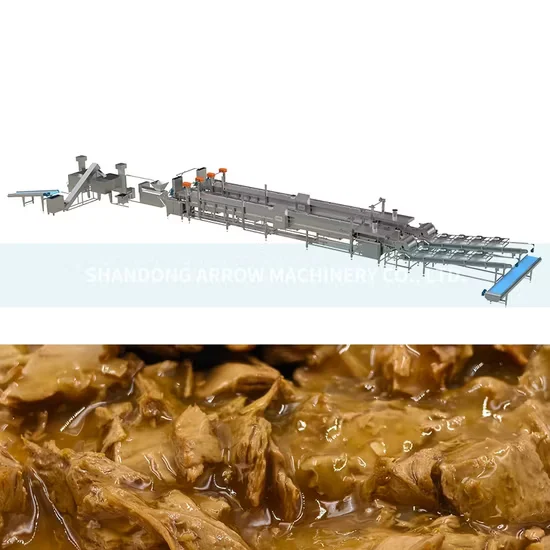
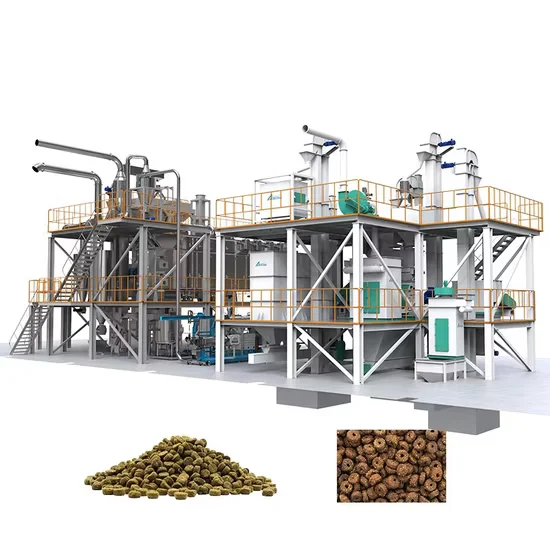
For dry pet food, a complete line typically includes grinding, mixing, extrusion, drying, cooling, and coating. This setup suits high-volume production of standard kibble. However, if the business plan includes wet food meat chunks or sauces, the process shifts toward texturization and sterilization rather than high-temperature expansion. A Pet Wet Food Production Line handles these requirements, focusing on maintaining texture and moisture content without the extensive drying phase needed for kibble.
Specialty treats such as jerky, meat strips, or dental chews require yet another approach. These products often use low-temperature forming or baking to preserve nutrient integrity and achieve specific chew textures. A Pet Treats Production Line allows for precise control over shape and density, which is essential for premium snack segments. Manufacturers planning to serve multiple market segments should consider modular designs that allow for future expansion or parallel lines dedicated to specific product categories.
Adapting Extrusion and Drying to Local Raw Materials
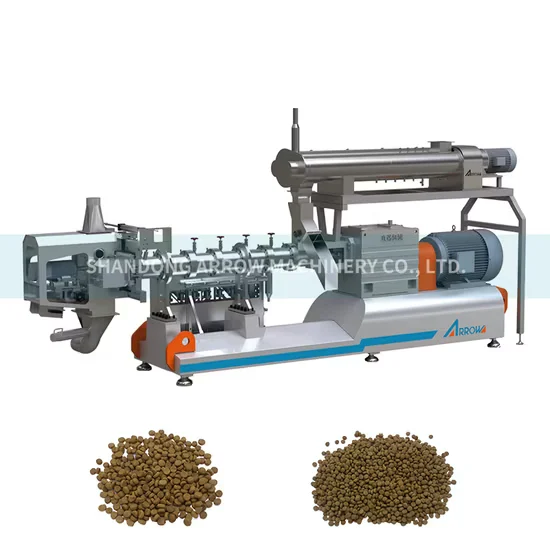
Raw material variability is a common challenge in regional manufacturing. In South Africa, the availability and quality of protein sources, grains, and fats can fluctuate. This variability directly impacts the extrusion process. When formulations contain high levels of fresh meat or fat, a Twin-Screw Extruder is generally preferred over single-screw options. The twin-screw design offers better mixing efficiency, self-cleaning capabilities, and precise control over shear and temperature, which is vital for handling sticky or high-fat doughs.
The screw configuration within the extruder must be adjusted based on the specific recipe. High-starch formulas may require different compression ratios compared to high-protein mixes. Without proper adjustment, the final product may suffer from poor expansion, inconsistent density, or surface defects. Process engineers should evaluate raw material behavior through trials before finalizing machine specifications to ensure consistent output.
Drying is often the bottleneck in any pet food production line. If the extruder pushes two tons per hour but the dryer can only handle one point five tons, wet kibble will pile up, leading to moisture inconsistency and potential microbial growth. A Cross-Flow Circulation Dryer provides uniform air distribution, which is crucial for achieving stable moisture levels across all pellets. This consistency is particularly important in climates with varying humidity, as it prevents case hardening or uneven drying that can affect shelf life and coating adhesion.
Engineering for Local Utilities and Factory Footprint
Infrastructure constraints play a major role in equipment selection. Many industrial zones in South Africa may have specific limitations regarding power voltage, frequency, or steam availability. Equipment must be specified to match these local utilities. For instance, electric heaters might be replaced with steam or gas-based systems depending on local fuel costs and availability. Ignoring these details during the procurement phase can lead to costly retrofits or inefficient operation once the plant is live.
Space is another critical factor. Not every investor has access to a large, greenfield site. Modular machinery allows for flexible layout designs that fit into existing buildings or constrained footprints. By selecting standalone machines such as a Single-Shaft Paddle Mixer or a specific Grinding System, manufacturers can optimize the flow of materials without requiring excessive floor space. This modularity also supports phased investment, where a company can start with core processes and add capacity as demand grows.
When upgrading an existing facility, integrating new machines with old ones requires careful engineering. The interface between upstream and downstream equipment must be seamless to prevent material blockages or quality loss. For example, adding a Vacuum Coating Machine to an existing line requires ensuring that the incoming kibble is at the correct temperature and moisture level for optimal oil absorption. Proper integration planning avoids disruptions to current production schedules.
Evaluating Turnkey Solutions vs. Standalone Machines
Investors often face the decision between purchasing individual machines and opting for a turnkey plant solution. Buying standalone equipment, such as just an extruder or a dryer, may seem cost-effective initially. However, it places the burden of system integration on the buyer. Mismatched capacities or incompatible control systems can lead to operational inefficiencies. This approach is suitable only for experienced teams with strong in-house engineering capabilities who are replacing specific units in an already balanced line.
A turnkey solution offers a coordinated scope where all components are designed to work together. The supplier takes responsibility for the entire process, from raw material handling to finished product packaging. This includes process evaluation, equipment configuration, and commissioning. For new factories or major expansions, this integrated approach reduces risk. It ensures that the drying capacity matches the extrusion output, and the coating system aligns with the final throughput.
Support services are a key differentiator in turnkey projects. Suppliers who offer raw material trials, factory acceptance testing, and overseas installation provide greater assurance. These services help verify that the equipment performs as expected with the actual local ingredients. Training for local operators and maintenance staff is also typically included, ensuring a smoother transition to full-scale production. Contractual clarity on these services prevents misunderstandings regarding scope and responsibilities.
Frequently Asked Questions
Q: What factors determine the right extruder capacity for a new pet food plant in South Africa?
A: Capacity selection depends on target output, operating hours, and raw material characteristics. It is not just about the extruder speed but the balance with downstream drying and cooling. Engineers assess the desired hourly throughput, product density, and moisture removal rates to size each section correctly. Over-sizing the extruder without matching dryer capacity creates bottlenecks, while under-sizing limits growth. Local utility limits also influence realistic continuous running times.
Q: Can the production line be adjusted if we change our raw material formulation later?
A: Yes, especially when using twin-screw extruders which offer flexibility in screw configuration and processing parameters. Changes in protein sources or starch levels may require adjusting barrel temperatures, screw elements, or die plates. Drying and coating settings may also need tuning to maintain product quality. Suppliers should provide guidance on how different formulations affect machine settings. Trials with new ingredients are recommended before full-scale production changes to ensure consistency.
Q: How do you handle utility constraints like specific voltage or steam requirements in our factory?
A: Equipment is customized to match local power frequencies, voltages, and available heat sources. If steam is unavailable, electric or gas heating options can be specified for dryers and preconditioners. Motor specifications are adjusted to meet local electrical standards. This customization is determined during the technical review phase. Buyers must provide detailed utility data, including power capacity and fuel types, so the engineering team can configure the machinery accordingly for safe and efficient operation.
Q: Do you provide overseas installation and operator training for South African projects?
A: Overseas installation and commissioning services are available and defined contractually. This typically includes sending engineers to supervise assembly, connect utilities, and test run the line. Operator training covers machine operation, routine maintenance, and troubleshooting. The scope, duration, and associated travel costs are agreed upon in the project contract. This support helps ensure that the local team can operate the equipment safely and efficiently from day one, minimizing startup delays.
To build a production line that truly fits your local conditions, start with a detailed assessment of your raw materials and factory constraints. Send your product formula, target capacity, and site dimensions to receive a customized configuration proposal. This approach ensures that every component, from the mixer to the coater, is sized correctly for your specific needs. Request a custom quotation to discuss how a balanced line can support your long-term production goals.