Meeting the rigorous quality and consistency standards of the German premium pet food market extends far beyond the final packaging stage. It begins with matching precise production lines to the physical and nutritional characteristics of the target product. For business owners and investors planning a new factory or capacity expansion, the primary concern is not just buying machines, but ensuring the entire process preserves nutrient integrity while delivering uniform kibble or treats.
The decisive factor for success lies in selecting a production line that aligns with your specific raw material profile and desired output texture. Whether you are processing high-fresh-meat formulas for dry kibble, gentle baked diets, or texturized wet food chunks, the equipment must handle shear heat, moisture control, and coating precision without compromising product stability. A mismatched line leads to inconsistent particle dimensions, poor digestibility, and costly rework.
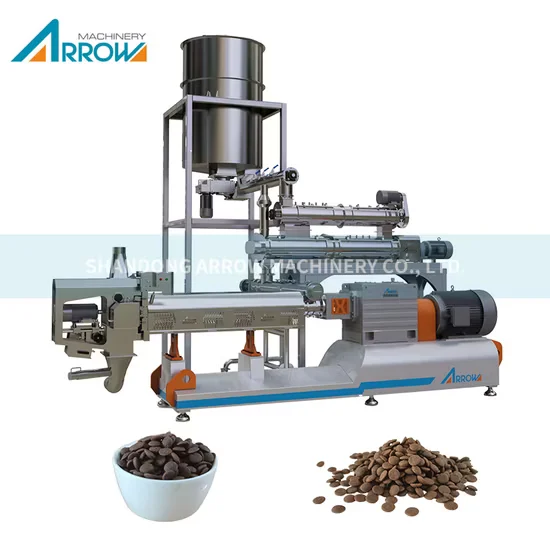
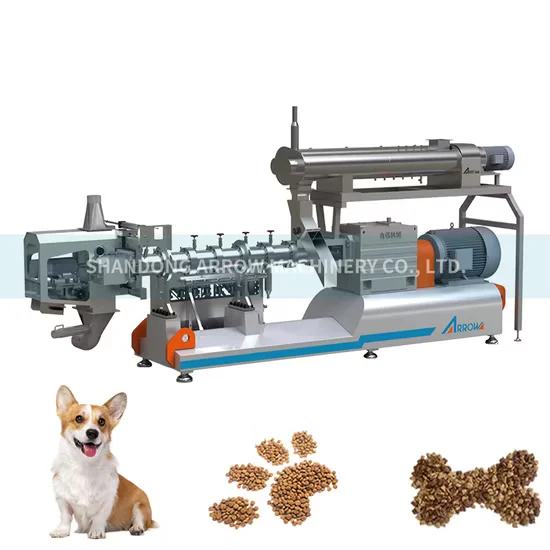
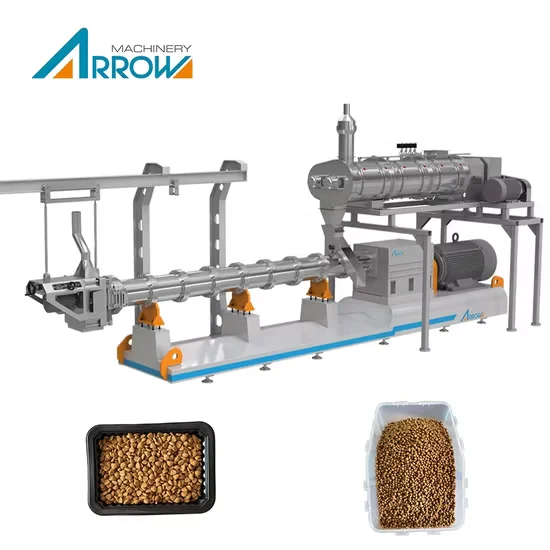
Twin-Screw Extrusion for High-Meat and Precision Kibble
High-end pet food brands increasingly demand formulations with significant fresh meat inclusion. Traditional single-screw systems often struggle with these sticky, high-fat inputs, leading to blockages or uneven cooking. Twin-screw extruders offer superior control over shear and temperature profiles, making them ideal for complex recipes. By adjusting screw configurations, engineers can manage the mechanical energy input to ensure proper starch gelatinization without degrading heat-sensitive proteins.
When designing a premium pet food production line for the European market, the focus shifts to repeatability. The twin-screw system allows for precise adjustment of residence time and pressure, which directly influences kibble density and expansion ratio. This level of control is critical when producing small-diameter, high-density pellets for small breeds or specialized dietary needs. The ability to fine-tune these parameters ensures that every batch meets the strict dimensional tolerances required by automated packaging systems in modern facilities.
Furthermore, the flexibility of twin-screw technology supports frequent recipe changes. In a contract manufacturing environment, where clients may switch between grain-free, high-protein, and hypoallergenic formulas weekly, the self-wiping action of intermeshing screws reduces cleanup time and cross-contamination risks. This operational efficiency is a key consideration for factory managers evaluating the total cost of ownership and throughput reliability.
Baked and Steam-Baked Lines for Gentle Processing
Not all premium diets require high-pressure extrusion. Baked and steam-baked production lines cater to the growing segment of owners seeking minimally processed options. These systems use lower temperatures and longer drying times to preserve natural flavors and nutrients that might be lost in traditional expansion processes. The resulting kibble has a distinct texture—often denser and more porous—which many pets find highly palatable.
The core of this process involves a specialized forming machine followed by a controlled drying system. Unlike standard extrusion, where expansion happens instantly upon exiting the die, baked products rely on gradual moisture removal to set their structure. This requires a precise balance between the forming stage and the downstream dryer. If the drying curve is too aggressive, the kibble may crack or develop internal stresses that lead to breakage during handling.
For brands positioning themselves in the ultra-premium sector, steam-baked options offer an additional layer of gentleness. The use of steam helps cook the ingredients evenly while maintaining higher moisture levels during the initial phase, which can enhance the binding of natural ingredients without excessive starch addition. This method appeals to consumers who prioritize clean labels and minimal processing aids.
Wet Food Lines for Meat Chunks and Texturized Products
The wet food segment presents unique engineering challenges, particularly when producing meat chunks in gravy or sauce. A dedicated wet food processing line must handle high-moisture inputs while maintaining the structural integrity of the protein pieces. The process typically involves mixing, forming, and thermal processing, followed by careful cooling and packaging preparation.
Key to this operation is the texturization step, where plant or animal proteins are aligned to mimic muscle fiber. The equipment must provide consistent shear to create the desired bite without turning the mixture into a paste. Following formation, the chunks are cooked and sterilized, requiring precise temperature control to ensure food safety while preventing overcooking that results in mushy textures.
Downstream, the integration of sauce preparation and filling systems is critical. The viscosity of the sauce must be managed to ensure even distribution around the chunks, avoiding separation during storage. For manufacturers expanding into this category, verifying that the forming machine and thermal processing units are balanced in capacity is essential to prevent bottlenecks. A well-designed line ensures that the visual appeal and mouthfeel of the final product meet the high expectations of discerning pet owners.
Specialized Treat Lines for Jerky, Chews and Pillow Snacks
Treat manufacturing requires a different approach than staple food production. Products like jerky, dental chews, and pillow snacks often rely on cold extrusion or low-temperature forming to retain natural flavors and achieve specific chew textures. Cold extruders shape the material without significant expansion, preserving the dense, meaty consistency that dogs and cats enjoy.
For pillow snacks, the process involves co-extrusion, where an outer shell and an inner filling are formed simultaneously. This demands precise synchronization between two extrusion streams and a cutting system that seals the edges effectively. Any misalignment can lead to leaking fillings or irregular shapes, which affect both aesthetics and shelf life.
Specialized treat lines also incorporate dedicated drying or baking stages to achieve the right moisture content for preservation without making the treat too hard. For jerky-style products, controlled dehydration is key to developing the characteristic chewiness. Manufacturers must select equipment that allows for fine-tuning of air flow and temperature to prevent case hardening, where the exterior dries too quickly, trapping moisture inside.
Integrating Downstream Systems for Consistent Premium Quality
The extruder or former is only part of the story. Achieving consistent premium quality depends heavily on downstream systems, particularly drying and coating. Drying is often the bottleneck in any production line. Cross-flow circulation dryers or external air circulation systems must be sized correctly to handle the maximum output of the extruder while ensuring uniform moisture reduction. Inconsistent drying leads to variable water activity, which compromises shelf life and invites microbial growth.
Coating applications further define the product’s appeal. For high-fat diets, vacuum coating machines are preferred as they allow oil and flavor enhancers* improving palatability without leaving a greasy surface residue. For surface seasoning, drum flavoring machines provide even distribution of powders or sprays. The choice between these systems depends on the specific formulation and the desired sensory profile of the final product.
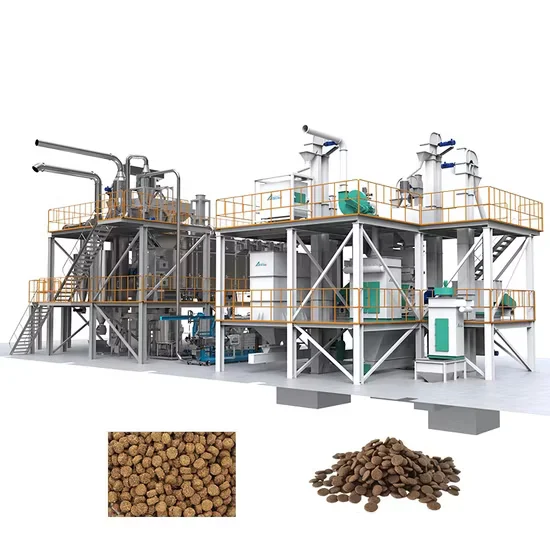
Integrating these modules into a cohesive premium pet food production line requires careful engineering. Mismatched capacities between the extruder, dryer, and coater can lead to inefficiencies and product waste. A holistic approach, where the entire line is configured based on the target capacity and utility constraints, ensures smooth operation. This includes considering footprint, power requirements, and automation levels to match the factory’s operational capabilities.
Frequently Asked Questions
Q: What makes a twin-screw extruder suitable for high-meat premium pet food recipes?
A: Twin-screw extruders provide superior control over shear and temperature, which is essential for processing sticky, high-fat fresh meat formulations. They allow for precise adjustment of residence time and pressure, ensuring proper cooking and starch gelatinization without degrading sensitive proteins. This flexibility supports consistent kibble density and facilitates easier cleanup during frequent recipe changes.
Q: How do baked and steam-baked production lines differ from standard extrusion in nutrient retention?
A: Baked and steam-baked lines use lower temperatures and longer processing times compared to high-pressure extrusion. This gentle approach helps preserve heat-sensitive nutrients and natural flavors that might otherwise be lost. The resulting product has a denser, more porous texture, appealing to consumers seeking minimally processed diets with clean labels and high palatability.
Q: What downstream equipment is critical for ensuring moisture consistency in premium wet food?
A: Precise thermal processing and controlled cooling are vital for wet food lines. The equipment must maintain structural integrity of meat chunks while ensuring thorough sterilization. Additionally, integrated sauce preparation systems must manage viscosity to prevent separation. Properly balanced forming and thermal units prevent bottlenecks and ensure the final product meets safety and texture standards.
Q: Can existing factory layouts be upgraded to include specialized treat or pillow snack lines?
A: Yes, existing facilities can often be retrofitted with specialized treat modules. Cold extruders and co-extrusion systems can be integrated into current workflows, provided there is adequate space and utility capacity. A detailed layout assessment helps identify potential constraints and ensures that new equipment matches the throughput of existing upstream and downstream processes for seamless operation.
To determine the optimal configuration for your facility, share your product formula, target capacity, and factory dimensions. Our engineering team will provide a customized technical proposal and preliminary layout diagram, ensuring your investment aligns with your production goals and quality standards.