In pet food co-manufacturing, frequent recipe switches causing downtime and cross-contamination often eat more into margins than the equipment’s running costs. The hidden expense of flushing sticky residues between a high-meat formula and a grain-based one can kill shift schedules and compromise product integrity.
Specialized multi-recipe pet food equipment addresses this by integrating quick-release barrel sections, self-cleaning screw profiles, and low-residue downstream systems. This design philosophy minimizes changeover time and eliminates contamination risks, ensuring that effective output remains high even when producing diverse formulations on a single line.
The Hidden Costs of Recipe Changeovers in Co-Manufacturing
Contract manufacturers face a unique challenge: maximizing asset utilization while handling vastly different raw material profiles. A typical day might involve switching from a poultry-based kibble to a fish-based formula, or from a standard dry diet to a high-fat treat. Traditional equipment often struggles with these transitions, leading to extended cleaning cycles and significant material waste.
The primary cost driver is not just the labor involved in cleaning, but the lost production time. When residues cling to screw elements or accumulate in dryer ducts, the entire line must halt. For a facility running multiple shifts, every hour spent flushing is an hour of zero revenue. Furthermore, the risk of cross-contamination poses a severe threat to brand reputation and regulatory compliance, especially when allergens or distinct flavor profiles are involved.
Understanding these pain points is critical when evaluating new machinery. The goal is not merely to buy an extruder, but to secure a system that supports agile manufacturing. Equipment that requires complex disassembly for routine cleaning becomes a bottleneck, whereas designs prioritizing accessibility can turn a half-day shutdown into a brief maintenance window.
Twin-Screw Extruder Design for Fast Changeover and Cleaning
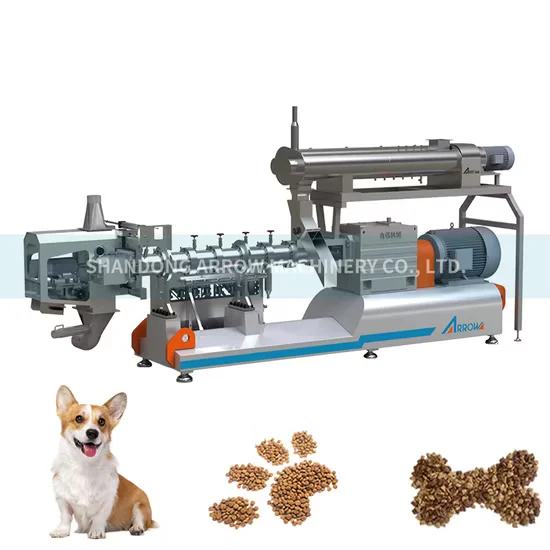
The heart of any flexible production line is the extrusion system. For co-manufacturers dealing with high-meat content, high grease, or frequent formula changes, a twin-screw extruder is often superior to single-screw alternatives due to its self-wiping action and modular design. The intermeshing screws help push material forward, reducing the likelihood of stagnant zones where old product can bake onto the metal surfaces.
Arrow’s twin-screw extruders feature modular barrel sections that can be opened quickly, allowing operators to access the screw elements without extensive tooling. This design facilitates rapid visual inspection and manual cleaning if necessary. More importantly, the screw configuration itself can be optimized for cleanability. Self-cleaning screw profiles minimize the surface area where sticky doughs can adhere, reducing the volume of purge material needed between batches.
The ability to test these configurations before purchase is vital. Raw-material trials allow engineers to observe how specific formulations behave under shear and heat, identifying potential sticking points early. By confirming the screw combination and barrel layout during the testing phase, manufacturers can ensure that the final installed system meets the rigorous demands of multi-recipe production. This proactive approach prevents costly retrofits and ensures that the equipment performs as expected from day one.
Downstream Systems: Minimizing Residue in Drying and Coating
Extrusion is only part of the equation. Downstream equipment, particularly dryers and coaters, often harbors hidden residues that contribute to cross-contamination. In a standard cross-flow circulation dryer, air ducts and internal trays can accumulate fine particles and oils from previous runs. If not designed with smooth inner wall and easy-access panels, these areas become difficult to sanitize thoroughly.
Vacuum coating machines present similar challenges. When switching from a savory meat flavor to a sweet or neutral coating, residual oils in the drum and spray nozzles must be completely removed. Equipment with polished internal surfaces and automated cleaning cycles can significantly reduce this effort. The double-drum or single-drum flavoring machines should allow for quick disassembly of spray bars and drums, enabling operators to wash down the system efficiently.
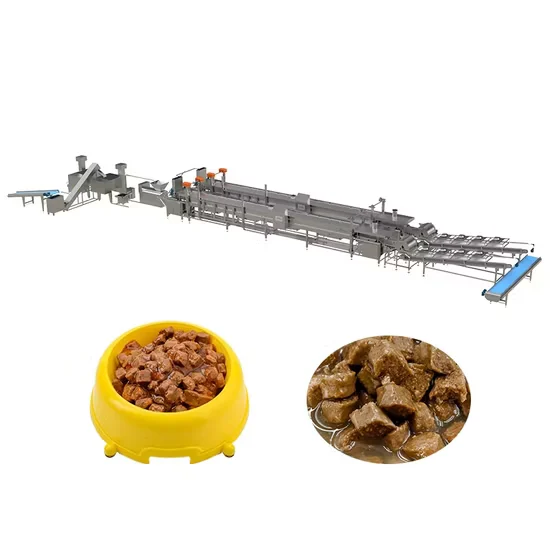
Integrating these downstream units with the extruder requires careful attention to interface points. Conveyor belts and transfer chutes should be designed to prevent material buildup. By selecting a drying system that complements the extruder’s throughput and cleanability, manufacturers create a cohesive line that supports rapid changeovers. This holistic view ensures that the entire process, from forming to packaging, maintains the highest standards of hygiene and efficiency.
Equipment Layout and Automation for Multi-Recipe Flexibility
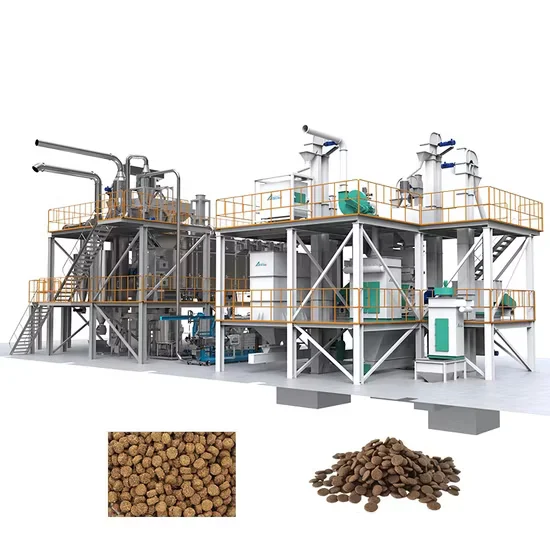
Physical layout plays a crucial role in minimizing contamination risks. A well-designed plant ensures that raw material flows logically, preventing backtracking or cross-traffic between different production zones. For multi-recipe facilities, segregating storage areas for distinct ingredient types, such as fish meal versus poultry by-product, helps prevent accidental mixing before the materials even reach the mixer.
Automation further enhances flexibility by reducing human error during changeovers. Modern control systems allow operators to save and recall specific process parameters for each recipe, including temperature profiles, screw speeds, and moisture targets. This capability ensures that the machine returns to optimal settings quickly after cleaning, reducing the trial-and-error period that often follows a switch.
Moreover, automated cleaning-in-place (CIP) systems can be integrated into mixers and coating drums, providing a consistent and documented cleaning process. This level of automation not only saves time but also provides traceability, which is increasingly important for audits and quality assurance. By combining smart layout with advanced controls, manufacturers can achieve a level of operational agility that keeps them competitive in the dynamic pet food market.
Frequently Asked Questions
Q: How does a twin-screw extruder reduce cleaning time between different pet food recipes?
A: Twin-screw extruders utilize intermeshing screws that create a self-wiping action, pushing material forward and reducing stagnant zones. Modular barrel sections allow for quick opening and access to screw elements, facilitating faster manual cleaning or inspection. This design minimizes the amount of purge material needed and shortens the overall downtime required for changeovers compared to single-screw systems.
Q: What equipment features prevent cross-contamination when switching from poultry to fish formulas?
A: Key features include polished internal surfaces in dryers and coaters to prevent residue buildup, quick-release mechanisms for easy disassembly, and automated cleaning cycles for mixing and coating drums. Additionally, using dedicated conveyors or implementing strict cleaning protocols between batches helps ensure that no flavor or allergen residues remain. Proper layout segregation of raw material storage also reduces pre-processing contamination risks.
Q: Can existing pet food production lines be upgraded for faster multi-recipe changeovers?
A: Yes, many lines can be retrofitted with quick-release barrel sections, improved screw profiles, or enhanced cleaning systems for downstream equipment. Upgrading control software to store recipe parameters can also reduce setup time. However, a thorough assessment of the current layout and equipment condition is necessary to determine the most effective upgrades. Consulting with engineers ensures that modifications integrate smoothly with existing processes.
Q: Why is raw-material testing important for configuring multi-recipe pet food equipment?
A: Testing allows engineers to observe how specific ingredients behave under extrusion conditions, identifying potential sticking or flow issues before installation. It helps in selecting the optimal screw configuration and barrel layout for diverse formulations. This proactive step ensures that the equipment is tailored to the manufacturer’s specific needs, reducing the risk of performance issues and ensuring efficient changeovers in actual production environments.
Send your current formula list and capacity requirements to receive a customized equipment configuration and layout plan optimized for multi-recipe production. Discuss raw material trials with our engineering team to validate cleanability and throughput before finalizing your investment.