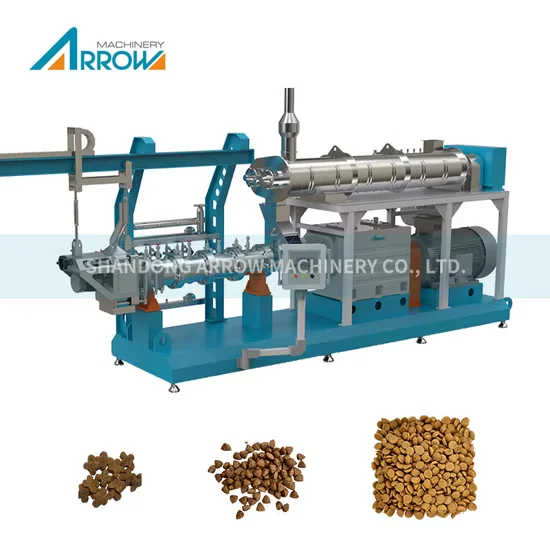
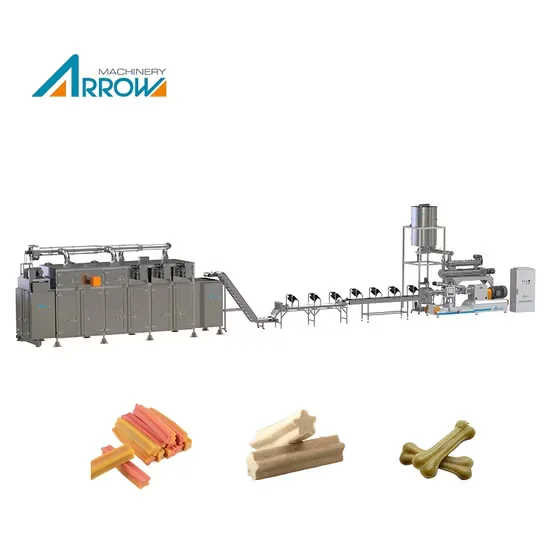
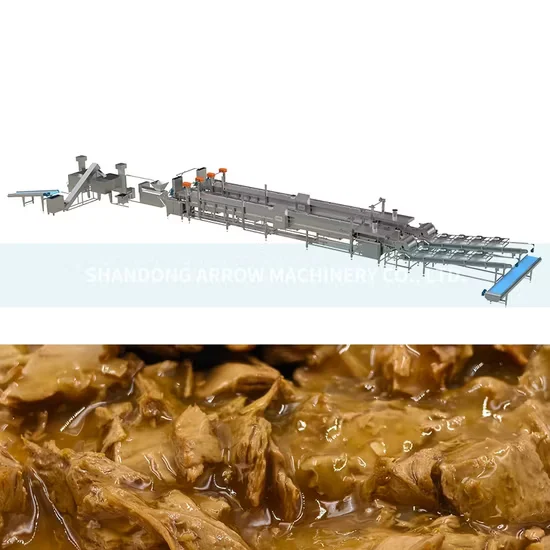
While traditional seed mixers simply blend ingredients, extruded bird pellet lines transform raw materials into nutritionally uniform, highly digestible pellets that prevent selective feeding and reduce waste. This shift from physical blending to thermal processing addresses the core challenge of avian nutrition: ensuring every bite contains the complete spectrum of required vitamins, minerals, and proteins.
The fundamental advantage of an Extruded Bird Pellet Line lies in its ability to lock nutrients within a single, consistent matrix. Unlike loose seed mixes where birds can pick out high-fat favorites and leave behind essential supplements, extruded pellets deliver balanced nutrition in every serving. This process not only eliminates selective feeding but also enhances digestibility through starch gelatinization, making it a superior choice for modern avian diets.
Processing Mechanics: Physical Blending vs. Thermal Extrusion
Traditional seed mixing relies on mechanical agitation to distribute whole grains, seeds, and dried additives. A standard mixer, such as a paddle or ribbon unit, ensures that sunflower seeds are physically near vitamin pellets, but it does not alter the chemical structure of the ingredients. The result is a heterogeneous mixture where particle size and density differences often lead to segregation during transport and storage. Birds, being natural foragers, will inevitably sort through this mix, consuming preferred items first and discarding less palatable but nutritionally critical components.
In contrast, an Extruded Bird Pellet Line employs a Twin-Screw Extruder to apply heat, pressure, and shear force to a ground meal mixture. This process cooks the starches, denatures proteins, and creates a homogeneous dough-like mass before forcing it through a die. The intense mechanical energy breaks down complex carbohydrates, significantly improving bioavailability. For manufacturers, this means moving from simple assembly of raw parts to true food engineering, where the final product’s texture and nutritional profile are dictated by precise control of temperature and moisture during extrusion.
The role of the Single-Shaft Paddle Mixer in this workflow is critical but distinct. It prepares the pre-conditioned dry blend before it enters the extruder, ensuring that minor ingredients like premixes are evenly distributed in the raw flour. However, the mixer alone cannot achieve the structural integrity or digestive benefits of extrusion. The extruder acts as the heart of the system, converting this blended powder into a cohesive, cooked product that holds its shape and nutrient load firmly together.
Nutritional Uniformity and Selective Feeding Prevention
Selective feeding is a persistent issue in avian care, leading to obesity from excessive fat intake and malnutrition from deficient vitamin consumption. In a traditional seed mix, even with thorough blending, the varying shapes and weights of millet, sunflower, and pelleted supplements cause them to separate. A parrot may fill its crop with high-energy seeds while ignoring the fortified pellets at the bottom of the bowl. This behavior forces owners to constantly monitor intake and often results in wasted feed.
Extrusion solves this by embedding all nutrients into a single, uniform pellet. When vitamins, minerals, amino acids, and proteins are mixed into the mash before extrusion, they become integral parts of the pellet structure. There is no way for the bird to separate the vitamin C from the protein source because they are physically bound within the same matrix. This uniformity ensures that every gram of feed consumed provides a consistent nutritional value, supporting better long-term health outcomes for captive birds.
Furthermore, the extrusion process allows for the inclusion of ingredients that are difficult to manage in dry mixes. High-fiber components or specific plant proteins can be processed to improve palatability and texture. The heat treatment also reduces anti-nutritional factors present in certain raw legumes or grains, which is a benefit impossible to achieve through cold mixing alone. This level of control over ingredient functionality is a key reason why many commercial avian diets are shifting toward extruded formats.
Line Integration: From Mixing to Drying and Coating
An Extruded Bird Pellet Line is not just about the extruder; it is a coordinated system of unit operations. After the product exits the die, it retains significant moisture and requires immediate drying to ensure shelf stability. A Cross-Flow Circulation Dryer is typically employed to remove surface and internal moisture efficiently. Unlike simple air drying, these industrial dryers provide consistent airflow and temperature control, preventing the case-hardening that can trap moisture inside the pellet and lead to mold growth during storage.
Post-drying, the pellets may undergo coating to enhance palatability or add heat-sensitive nutrients. A Vacuum Coating Machine allows for the application of oils, flavors, or enzymes without damaging their efficacy. Since high temperatures during extrusion can degrade certain vitamins or probiotics, applying them after cooling via vacuum coating ensures they remain active. This step is crucial for producing high-performance feeds where specific functional benefits are marketed. In contrast, traditional seed lines lack this integrated post-processing capability, limiting their ability to add value beyond basic ingredient mixing.
The integration of these systems requires careful engineering. The capacity of the dryer must match the output of the extruder, and the coating system must handle the throughput without causing breakage. Mismatched equipment leads to bottlenecks, where wet pellets pile up waiting for drying, or dry pellets sit too long before coating, absorbing ambient moisture. Proper line balancing is essential for maintaining product quality and operational efficiency.
Plant Investment and Operational Scalability
Investing in an Extruded Bird Pellet Line involves a higher initial capital outlay compared to setting up a simple seed mixing station. The equipment suite includes grinders, mixers, extruders, dryers, coolers, and coating machines, each requiring space, power, and utility connections. However, this investment buys versatility and value addition. An extrusion line can produce a wide variety of shapes, sizes, and densities, allowing manufacturers to diversify their product portfolio without changing the core machinery. Switching from small parakeet pellets to larger parrot kibble often requires only a die change and adjustment of process parameters.
Operational scalability is another advantage. As demand grows, an extrusion line can be optimized for higher throughput by adjusting screw speed, feeder rates, and drying temperatures. Traditional mixing lines are limited by the batch size of the mixer and the speed of packaging. Moreover, extruded feeds have a longer shelf life due to lower water activity and the sterilizing effect of heat, reducing losses from spoilage. This efficiency translates to better margin protection over time, despite the higher complexity of the production process.
Manufacturers should consider the total cost of ownership, including energy consumption and maintenance. While extruders are energy-intensive, modern designs focus on efficiency. The ability to use a broader range of raw materials, including lower-cost agricultural by-products that require cooking to be digestible, can offset energy costs. Additionally, the reduced waste from selective feeding means customers buy less feed to achieve the same nutritional intake, enhancing the perceived value of the product.
Frequently Asked Questions
Q: Can a traditional seed mixer produce nutritionally complete bird pellets?
A: No, a traditional mixer can only blend separate components. It cannot create a unified pellet where nutrients are locked inside. To make pellets without extrusion, you would need a separate pelleting mill, which still lacks the cooking and starch gelatinization benefits of extrusion. The result is often harder, less digestible, and prone to selective feeding if not carefully formulated with binders.
Q: How does the Twin-Screw Extruder improve the digestibility of bird feed?
A: The twin-screw design provides precise control over shear and temperature, ensuring thorough cooking of starches and proteins. This process gelatinizes starch, making it easier for birds to enzymatically break down and absorb nutrients. It also denatures anti-nutritional factors in raw ingredients, improving overall feed efficiency and reducing the metabolic load on the bird’s digestive system.
Q: What downstream equipment is required after extruding bird pellets?
A: After extrusion, pellets must be dried to reduce moisture content for shelf stability, typically using a Cross-Flow Circulation Dryer. They are then cooled to ambient temperature. Optionally, a Vacuum Coating Machine or drum coater is used to apply fats, flavors, or heat-sensitive vitamins. Conveying systems connect these stages to ensure continuous flow and minimize manual handling.
Q: Is it possible to upgrade an existing seed mixing setup to an extruded pellet line?
A: Yes, but it requires significant changes. You will need to add grinding, conditioning, extrusion, drying, and cooling equipment. The existing mixer might be retained for pre-blending dry ingredients, but the core processing shifts from cold mixing to thermal extrusion. Facility layout, power supply, and ventilation must be reassessed to accommodate the new machinery and its utility requirements.
Send your bird feed formula and target capacity to receive a customized production line configuration and workshop layout. Our engineering team can help evaluate your raw materials and define the optimal equipment scope for your facility.