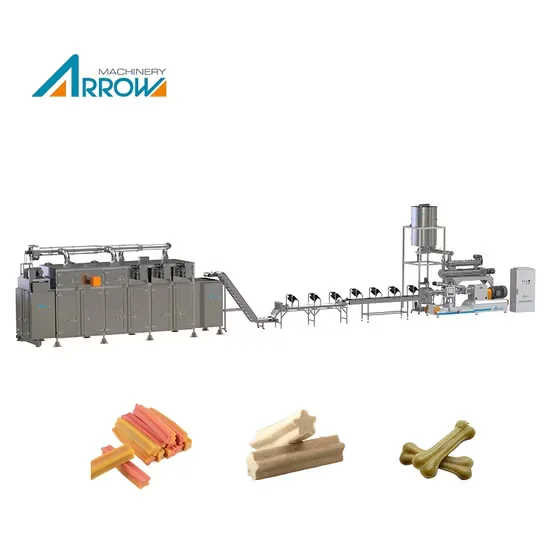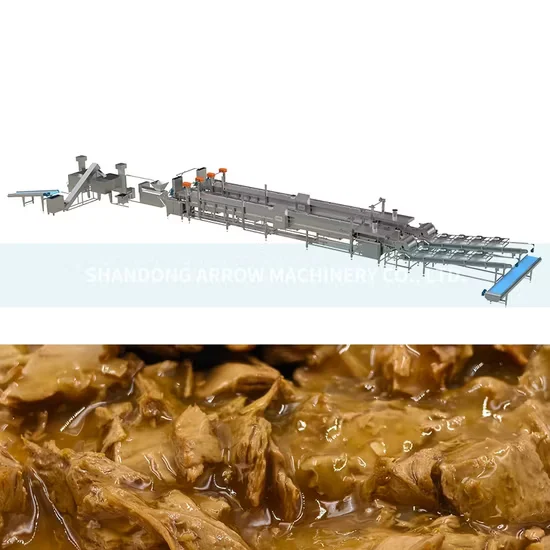
Many factories discover that a lab-tested soft chew recipe fails during full-scale production. High fresh meat ratios can jam the extruder, while improper drying leaves treats with uneven moisture and unstable water activity. These issues usually stem from selecting standalone machines without considering the balance of the entire processing system.
Producing consistent soft chewable pet treats requires more than just an extruder. It demands a synchronized line where mixing, precision extrusion, gentle drying, and coating work together. By matching screw configurations to ingredient viscosity and controlling thermal profiles, manufacturers can achieve stable texture and safe moisture levels. A well-integrated soft chewable food line ensures that the product quality defined in the laboratory is maintained on the factory floor.
Raw Material Handling and Mixing for High-Viscosity Formulas
Soft chewable treats often contain high percentages of fresh meat, glycerin, and hydrocolloids. These ingredients create a viscous, sticky mixture that differs significantly from dry kibble formulations. Standard mixing equipment may struggle to homogenize such dense pastes, leading to inconsistent texture and potential blockages downstream.
Effective preparation starts with selecting the right mixing technology. For high-moisture and high-fat recipes, twin-shaft paddle mixers or ribbon mixers provide the necessary shear and folding action to distribute liquids evenly into dry powders. This step is critical because uneven distribution of humectants like glycerin can cause localized spoilage or texture defects in the final product.
When integrating this stage into a soft chewable food line, it is essential to consider the discharge mechanism. Sticky materials require specialized chute designs and agitation to prevent bridging. Ensuring that the mixer’s output rate matches the feed capacity of the extruder prevents surges that can disrupt pressure stability in the barrel.
Precision Extrusion and Forming with Twin-Screw Technology
The core of any soft chewable processing equipment is the extrusion system. Unlike dry kibble, which relies on high expansion, soft chews require controlled density and specific bite resistance. Twin-screw extruders are preferred for these applications because they offer superior control over shear force and temperature compared to single-screw units.
In a twin-screw setup, operators can adjust screw elements to manage the intense friction generated by high-meat formulations. Low-temperature cold extrusion techniques are often employed to preserve heat-sensitive nutrients and maintain the desired chewy texture without excessive puffing. The ability to precisely modulate barrel temperatures across different zones allows for gradual cooking and gelatinization of starches without burning proteins.
Screw configuration plays a pivotal role in determining product structure. A combination of conveying, kneading, and reverse elements can be arranged to build specific pressure profiles. This flexibility enables the production of various shapes and densities, from dense meat strips to aerated chewable bites. Selecting the appropriate die and cutter further refines the final shape, ensuring clean cuts that do not deform the soft product immediately after exit.
Gentle Drying Strategies to Control Moisture and Texture
Drying is frequently the bottleneck in a soft chewable food line. The goal is not to remove all moisture but to reduce water activity to a level that inhibits microbial growth while retaining a soft, pliable texture. Over-drying results in hard, brittle treats, while under-drying leads to mold risks during storage.
Cross-flow circulation dryers are commonly used for this delicate balancing act. These systems allow for precise control of air temperature, humidity, and flow rate. By circulating air evenly across the product bed, manufacturers can avoid case hardening, where the surface dries too quickly and traps moisture inside. This uniform drying profile is essential for maintaining consistent bite resistance throughout the batch.
The residence time in the dryer must be carefully calibrated based on the initial moisture content and the target water activity. Monitoring these parameters in real-time helps operators make immediate adjustments. Integrating the dryer with upstream extrusion and downstream cooling ensures that the product enters the drying chamber at a consistent temperature, improving overall efficiency and product stability.
Flavor Enhancement and Coating Applications
Palatability is a key driver for pet treat acceptance. After drying, soft chews often undergo a coating process to add fats, flavors, or functional supplements. Vacuum coating machines are particularly effective for applying high-viscosity oils or liquid attractants evenly without damaging the fragile structure of the treat.
For surface-level seasoning, single or double-drum flavoring machines provide a tumbling action that distributes powder or light liquid coatings uniformly. The choice between vacuum and drum coating depends on the ingredient properties and the desired penetration depth. Vacuum systems force flavors into the porous structure of the treat, enhancing long-lasting appeal, while drum coaters are ideal for external dusting or glazing.
Integrating the coating system into the soft chewable food line requires attention to product temperature. Applying fats to warm treats can improve absorption, but excessive heat may cause oxidation. Cooling tunnels or ambient air conveyors are often placed before the coater to stabilize the product temperature. This step ensures that the coating adheres properly and does not clump or separate during packaging.
Integrating the Line for Consistent Output
A successful production facility relies on the harmonious operation of all individual machines. Discrepancies in capacity between mixing, extruding, and drying stages lead to inefficiencies and quality variations. Engineering a complete line involves matching the throughput of each unit to the nominal capacity of the slowest component, typically the dryer.
Layout considerations also impact operational efficiency. Adequate space for maintenance access, raw material handling, and finished product collection is crucial. Modular designs allow for future expansions or upgrades without disrupting the entire workflow. Process consultation during the design phase helps identify potential bottlenecks and optimize material flow.
Shandong Arrow Machinery supports this integration by offering engineered production lines rather than just standalone machines. Their approach includes evaluating raw materials, defining process requirements, and configuring equipment to meet specific plant utilities and footprint constraints. This holistic view ensures that the soft chewable food line operates reliably from day one, with clear documentation and training provided for local teams.
Frequently Asked Questions
Q: What moisture level is required for soft chewable pet treats to prevent mold?
A: The target water activity is typically below 0.75 to inhibit microbial growth, though exact levels depend on the formulation and preservatives used. Achieving this requires precise drying control to remove free water while retaining bound moisture for texture. Lab testing is recommended to determine the specific shelf-life stability for each unique recipe.
Q: Can a standard twin-screw extruder handle high-meat formulations for soft chews?
A: Yes, but it requires specific screw configurations and barrel designs to manage high viscosity and friction. Standard screws may overheat or stall with high fresh meat content. Customized screw elements and precise temperature zoning are necessary to ensure smooth conveying and cooking without degrading protein quality or causing mechanical stress.
Q: How do you control the texture and bite resistance during the extrusion process?
A: Texture is controlled by adjusting screw speed, feed rate, and barrel temperature profiles. Higher shear and temperature generally increase expansion and hardness, while lower settings maintain density. Die geometry and cutter speed also influence the final structure. Trial runs with actual ingredients are essential to fine-tune these parameters for the desired chewiness.
Q: What is the typical lead time for a complete soft chewable food production line?
A: Lead times vary based on the complexity of the line, customization requirements, and current production schedules. A formal quotation will specify the manufacturing duration, shipping terms, and installation timeline. Factors such as factory acceptance testing and overseas commissioning arrangements are defined contractually to ensure clarity on project milestones.
Send your soft chew product formula and expected capacity to receive a customized production line proposal. Our engineering team can review your raw material specifications and provide a detailed equipment layout. Request technical specifications or discuss a trial run to validate the process before finalizing your investment.