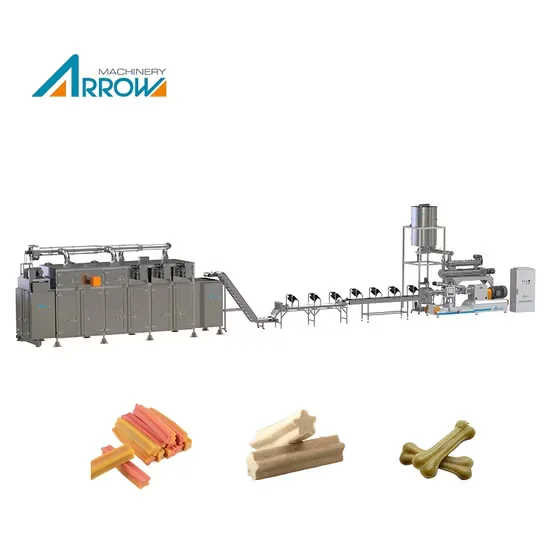
Minute nutritional fluctuations or hidden hygiene dead zones in experimental diets can invalidate months of rigorous scientific research. Standard pet food production lines often lack the precision and sanitary design required for such sensitive applications, leading to cross-contamination risks and inconsistent nutrient profiles that compromise data integrity.
To achieve reliable results, a laboratory animal feed line must integrate hygienic equipment design with precise process control. This means prioritizing full drainability, quick-disassembly joints, and low-shear extrusion technologies that preserve heat-sensitive vitamins while ensuring zero batch-to-batch contamination.
Hygienic Equipment Design to Eliminate Cross-Contamination
Designing a compact lab animal feed line for a client in Brazil taught me a hard lesson about hygiene. We focused heavily on twin-screw extrusion parameters for those tiny pellets but overlooked dead corners in the downstream mixer and dryer ducts. During the first batch changeover, residual dust from the previous formula contaminated the new run, ruining weeks of controlled feeding trials. That failure pushed me to completely rethink our layout approach. Now, I prioritize full drainability, quick-disassembly joints, and seamless welding in every equipment connection, ensuring cross-contamination is physically impossible before we even discuss extrusion temperatures.
For laboratory settings where formulas change frequently, the mixing stage is a critical control point. A Single-Shaft Paddle Mixer offers a simpler geometry that is easier to clean than complex ribbon systems, reducing the risk of material buildup in corners. When selecting equipment for a laboratory animal feed line, look for polished stainless steel surfaces and accessible inspection ports. These features allow operators to visually verify cleanliness and perform rapid swab tests between batches. The goal is to minimize the time and labor required for changeovers without sacrificing mixing uniformity.
The extrusion system itself must also support strict hygiene standards. Twin-screw configurations allow for modular barrel sections that can be disassembled for thorough cleaning. Unlike single-screw units, which may have harder-to-reach areas near the flighting, modern twin-screw designs facilitate better access to the screw elements and barrel interiors. This modularity is essential when switching between highly distinct formulations, such as moving from a high-protein rodent diet to a specialized reptile feed. Ensuring that every contact surface is smooth and free of crevices prevents microbial growth and residue accumulation, which are unacceptable in controlled research environments.
Precision Extrusion for Strict Nutritional Profiles
Experimental diets often contain heat-sensitive ingredients like specific vitamins, enzymes, or probiotics that degrade under excessive thermal or mechanical stress. The extrusion process must balance sufficient cooking for starch gelatinization and pathogen reduction with gentle handling to preserve these delicate nutrients. A Twin-Screw Extruder provides superior control over shear and temperature profiles compared to single-screw alternatives. By adjusting screw speed, feed rate, and barrel heating zones independently, engineers can create a low-shear environment that minimizes nutrient degradation while achieving the desired degree of cook.
Particle size and density are equally critical for laboratory animals, which may have specific chewing behaviors or digestive constraints. The die configuration and cutting mechanism must be precisely matched to the target pellet dimensions. For small rodents or birds, consistent pellet diameter ensures uniform intake, preventing selective feeding that could skew study results. The extruder’s ability to maintain stable pressure at low throughput rates is vital for pilot-scale or small-batch production typical in research facilities. This stability ensures that the first pellet produced matches the last, maintaining batch homogeneity throughout the run.
Moreover, the versatility of twin-screw technology allows for the processing of diverse raw materials, including fresh meat slurries or high-fiber plant bases, without compromising structural integrity. This flexibility is crucial for developing specialized diets for exotic pets or laboratory models with unique metabolic needs. By fine-tuning the moisture content and mechanical energy input, producers can create pellets with specific textures, from soft chewable forms for aged animals to dense, durable kibble for gnawing species. This level of customization supports the rigorous demands of nutritional science, where every variable must be controlled.
Controlled Drying and Coating to Prevent Contamination
Drying is often the bottleneck in any production line, but in laboratory feed manufacturing, it is also a critical hygiene checkpoint. Inconsistent drying can lead to moisture pockets that promote mold growth, ruining entire batches of expensive, specialized feed. A Cross-Flow Circulation Dryer ensures uniform air distribution across the product bed, preventing case hardening and ensuring that moisture is removed evenly from each pellet. This uniformity is essential for maintaining the shelf life and nutritional stability of the final product. Furthermore, the dryer’s design should prevent dust recirculation, which can carry contaminants from one batch to another if not properly filtered.
Coating applications in laboratory diets often involve precise addition of oils, vitamins, or palatability enhancers. Traditional drum coaters may introduce variability due to uneven distribution or excessive friction. Vacuum Coating Machines offer a superior alternative by applying liquids under negative pressure, allowing deeper penetration into the pellet structure and more uniform surface coverage. This method reduces the amount of coating agent needed while ensuring that every pellet receives the exact same dosage. For heat-sensitive additives, vacuum coating operates at lower temperatures, preserving the efficacy of the ingredients.
The integration of drying and coating systems into the laboratory animal feed line must be seamless to avoid exposure to ambient air, which can introduce airborne contaminants. Closed-loop conveying systems between these stages protect the product from external pollutants. Additionally, the equipment should be designed for easy access to internal components for regular maintenance and cleaning. Filters, ducts, and spray nozzles must be easily removable and washable to prevent buildup that could harbor bacteria or allergens. This attention to detail in the downstream processes ensures that the high standards established during extrusion are maintained until packaging.
Turnkey Line Integration and Process Validation
Building a production line for laboratory feeds is not just about assembling individual machines; it requires a holistic approach to process engineering. Each component, from grinding to packaging, must be balanced to match the nominal capacity and operational rhythm of the facility. Mismatched equipment can lead to bottlenecks, product degradation, or inefficient use of resources. Arrow supports this integration by offering process consultation and equipment configuration based on the specific ingredients, target product characteristics, and local utility constraints of the customer. This ensures that the line operates efficiently and consistently, meeting the stringent requirements of research institutions.
Validation is a key part of commissioning a new line. Before full-scale production, it is essential to conduct raw material trials to verify that the equipment performs as expected with the specific formulations intended for use. These trials help identify potential issues with ingredient behavior, such as flowability or expansion characteristics, allowing for adjustments to screw configuration or drying parameters. Arrow provides testing support and sample trials, enabling customers to refine their processes and lock in optimal parameters before committing to large-scale manufacturing. This proactive approach reduces the risk of costly errors and ensures that the final product meets all quality specifications.
Documentation and training are equally important for maintaining compliance and operational excellence. Detailed manuals, technical specifications, and standard operating procedures should be provided to ensure that staff can operate and maintain the equipment correctly. Training programs cover everything from routine cleaning protocols to troubleshooting common issues, empowering teams to manage the line effectively. By combining robust equipment design with comprehensive support and validation services, producers can establish a reliable and hygienic manufacturing process for laboratory animal feeds.
Frequently Asked Questions
Q: How does Arrow ensure zero cross-contamination between different lab animal feed batches?
A: We prioritize hygienic design principles, including full drainability, quick-disassembly joints, and seamless welding in equipment connections. Our mixers and extruders feature polished stainless steel surfaces and accessible inspection ports for thorough cleaning. Additionally, we recommend closed-loop conveying systems and proper filtration in dryers to prevent airborne contamination during changeovers.
Q: Can the twin-screw extruder handle heat-sensitive vitamins required for strict laboratory diets?
A: Yes, twin-screw extruders offer precise control over shear and temperature profiles. By adjusting screw speed and barrel heating zones independently, you can create a low-shear environment that minimizes nutrient degradation. This allows for sufficient cooking while preserving the efficacy of heat-sensitive ingredients like vitamins and enzymes.
Q: What specific hygiene standards are applied to the drying and coating systems?
A: Our drying and coating systems are designed with smooth, crevice-free stainless steel interiors to prevent material buildup. Cross-flow dryers ensure uniform air distribution and include filtration to prevent dust recirculation. Vacuum coaters operate at lower temperatures and provide uniform coverage, reducing the risk of contamination and preserving ingredient integrity.
Q: Do you provide raw material trials before we commit to a complete production line?
A: Yes, we offer raw material trials and testing support to validate equipment performance with your specific formulations. These trials help optimize process parameters such as screw configuration and drying conditions. This step ensures that the final line configuration meets your quality and capacity requirements before full-scale implementation.
Send your specific formula details, target capacity, and product requirements to receive a customized equipment configuration and plant layout. Our engineering team can also arrange raw material trials to validate the process and ensure your laboratory animal feed line meets the highest standards of hygiene and precision.