Kibble cracking after drying is a frustrating defect that often misleads production teams into blaming the extrusion recipe or screw configuration. In reality, the root cause frequently lies downstream, hidden within the thermal dynamics of the drying phase. When hot air distribution is uneven or maintenance is neglected, the structural integrity of the pellet fails under stress.
The solution usually involves correcting airflow imbalances and adhering to a strict dryer maintenance schedule rather than reformulating the product. By ensuring consistent temperature profiles and removing blockages in air ducts, you can eliminate the surface tension that leads to fractures. This approach stabilizes output quality and protects your overall line efficiency without unnecessary changes to upstream processing.
Why Kibble Develops Cracks During the Drying Phase
When pet food pellets exit the extruder, they contain significant internal moisture and possess a soft, porous structure. The drying process is designed to remove this water gradually, allowing the starch matrix to set into a hard, stable kibble. However, if moisture leaves the surface faster than it can migrate from the core, severe internal stresses develop. This phenomenon creates microscopic fissures that expand into visible cracks as the product cools.
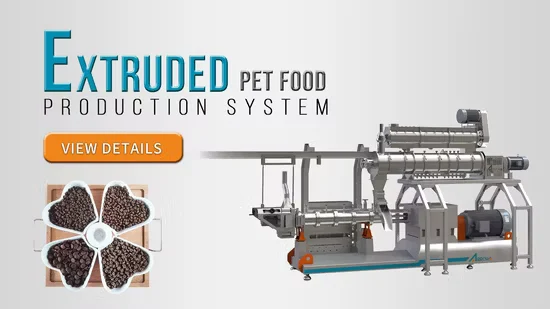
These cracks are not merely cosmetic defects; they compromise shelf life and increase breakage during packaging and transport. The issue is rarely a failure of the twin-screw extruder to cook the ingredients properly. Instead, it points to a mismatch between the drying rate and the material’s ability to release moisture. High-starch formulations may tolerate faster drying, but recipes with high meat inclusion or specific fiber contents require gentle, controlled heat application.
Understanding this mechanism is critical for troubleshooting. If you observe widespread cracking, check the initial moisture content entering the dryer and compare it with the final target. A sudden drop in relative humidity inside the chamber can shock the product. Consistent monitoring of these parameters helps distinguish between a formulation issue and a mechanical imbalance in the drying system.
How Airflow and Temperature Imbalance Cause Structural Damage
Uneven heat distribution is the primary enemy of uniform kibble texture. In many facilities, dryers suffer from blocked filters or worn fan belts, which restrict airflow in specific zones. This creates hot spots where pellets are baked aggressively while adjacent areas remain under-dried. The resulting thermal gradient causes some pieces to shrink rapidly while others retain volume, leading to structural weakness and fracture.
Temperature sensors can also drift over time, providing inaccurate readings to the control system. If the actual air temperature exceeds the set point, the outer layer of the kibble hardens prematurely, trapping moisture inside. As the remaining internal water eventually escapes, it ruptures the sealed surface. Regular calibration of thermocouples and hygrometers is essential to ensure the displayed data reflects real conditions inside the chamber.
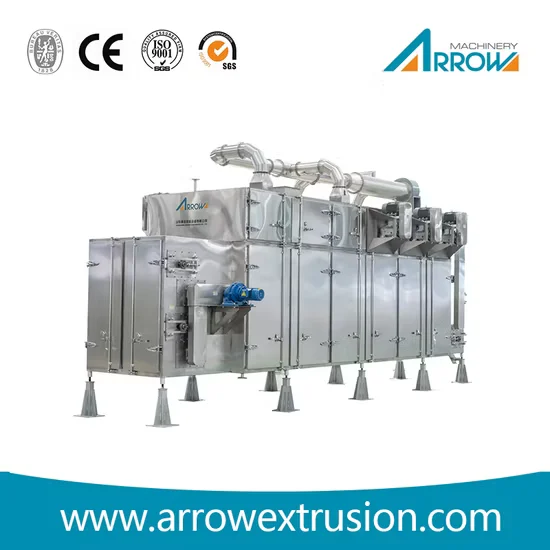
A Cross-Flow Circulation Dryer is designed to mitigate these risks by forcing air through the product bed in a controlled manner. This design promotes uniform exposure to heat, reducing the likelihood of localized overheating. However, even advanced systems require proper loading density. Overfilling the dryer bed prevents air from penetrating the lower layers, causing inconsistent drying results regardless of the machine’s capabilities.
Essential Dryer Maintenance Steps to Prevent Kibble Cracking
Preventing kibble cracking starts with a disciplined maintenance routine. Accumulated dust and fine particles on air intake filters restrict volume, forcing fans to work harder while delivering less effective airflow. Cleaning or replacing these filters weekly ensures that the dryer receives the necessary air volume to maintain consistent temperatures across the entire width of the conveyor.
Inspecting the circulation fans and drive belts is equally important. A slipping belt reduces fan speed, lowering air velocity and creating stagnant zones where heat does not circulate effectively. Listen for unusual noises or vibrations that indicate bearing wear, as these mechanical issues can lead to sudden failures and unplanned downtime. Keeping spare parts on hand allows for quick replacements before minor issues escalate into major production halts.
Internal cleaning prevents cross-contamination and eliminates insulating layers of residue on heating elements. Buildup on heaters reduces thermal efficiency, causing the system to run longer or hotter to achieve the same drying effect. Schedule regular shutdowns to vacuum out accumulated fines from the chamber floor and ductwork. This practice not only improves heat transfer but also reduces fire hazards associated with combustible dust accumulation.
Optimizing Drying Parameters for Different Kibble Formulations
Not all pet food recipes dry at the same rate. Formulations with high fresh meat content introduce more initial moisture and fat, which alters how heat penetrates the pellet. These products often benefit from a multi-stage drying profile, starting with lower temperatures to allow surface moisture to evaporate gently before increasing heat to remove bound water. Rushing this process invites case hardening and subsequent cracking.
Adjusting the conveyor speed is a simple yet effective way to control residence time. If cracking persists, try slowing the belt to extend exposure time at lower temperatures. This approach gives internal moisture more time to migrate to the surface without creating excessive thermal stress. Conversely, dense, high-starch kibbles may tolerate higher initial temperatures but still require careful monitoring to prevent scorching.
For complex lines, integrating a GDH Series Dryer can provide better control over these variables. Such systems allow for zoned temperature adjustments, enabling operators to create a customized drying curve for each specific product. This flexibility is crucial when running multiple SKUs on the same line, as it minimizes the need for extensive manual trial and error during product changeovers.
When to Upgrade Your Drying System for Better Consistency
If maintenance and parameter adjustments fail to resolve cracking issues, the existing equipment may be insufficient for your current capacity or product mix. Older drying rooms or single-pass units often lack the precision needed for modern premium pet foods. Inconsistent airflow and poor insulation in legacy systems make it difficult to maintain the stable environment required for high-quality kibble production.
Upgrading to a dedicated industrial drying solution offers improved energy efficiency and process stability. Modern designs focus on maximizing heat recovery and minimizing waste, which lowers operational costs while enhancing product quality. An External Air Circulation Dryer, for instance, can provide more uniform heating by recirculating conditioned air, reducing the impact of ambient weather conditions on the drying process.
Before investing in new hardware, evaluate your entire line balance. Ensure that the dryer’s capacity matches the output of your extruder and cooler. Bottlenecks in drying force operators to rush the process, directly contributing to quality defects. Consulting with equipment specialists can help identify whether a modular upgrade or a complete line redesign is the most cost-effective path forward.
Frequently Asked Questions
Q: Can high meat content in the recipe cause kibble to crack after drying?
A: Yes, high meat formulations introduce more moisture and fat, which changes drying dynamics. The extra moisture requires slower removal to prevent surface hardening. If dried too quickly, the trapped internal steam creates pressure that cracks the kibble. Adjusting the drying curve to use lower initial temperatures helps manage this stress.
Q: How often should we clean the air filters in our pet food dryer?
A: Air filters should be inspected daily and cleaned or replaced weekly, depending on production volume and dust levels. Clogged filters restrict airflow, causing uneven heating and potential overheating of the motor. Regular maintenance ensures consistent air volume and temperature distribution, which is critical for preventing structural damage to the product.
Q: What is the ideal temperature curve to prevent surface cracking in kibble?
A: There is no universal temperature, but a stepped approach works best. Start with moderate heat to remove surface moisture gently, then increase temperature gradually to extract internal water. Avoid sharp spikes in heat. The exact profile depends on pellet size and formulation, so small-scale trials are recommended to find the optimal settings for your specific recipe.
Q: Does a cross-flow dryer reduce cracking compared to traditional drying rooms?
A: Generally, yes. Cross-flow dryers force air through the product bed uniformly, reducing hot spots and ensuring consistent drying. Traditional rooms often suffer from stratification, where heat accumulates at the top. The controlled airflow in cross-flow systems minimizes thermal stress on individual pellets, leading to fewer cracks and more uniform texture.
If you are struggling with inconsistent kibble quality or suspect your drying process is limiting production, send your formula and capacity requirements for a technical review. We can help analyze your current setup and propose optimized dryer parameters or equipment upgrades to stabilize your output. Request a custom quotation to discuss layout options and process engineering support.