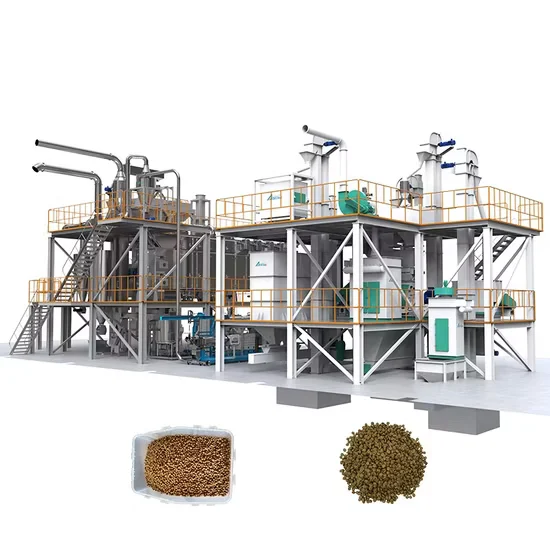
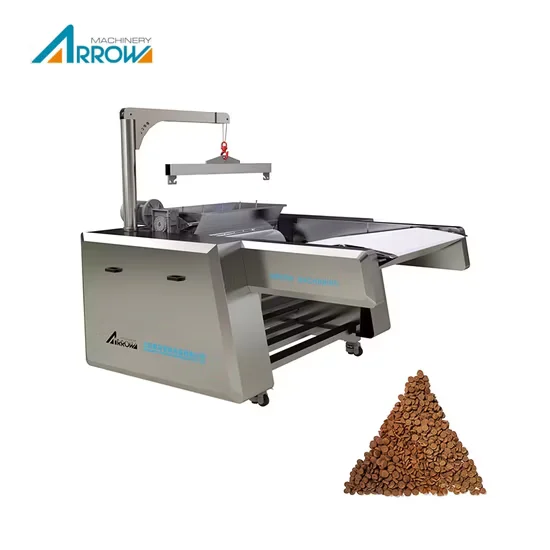
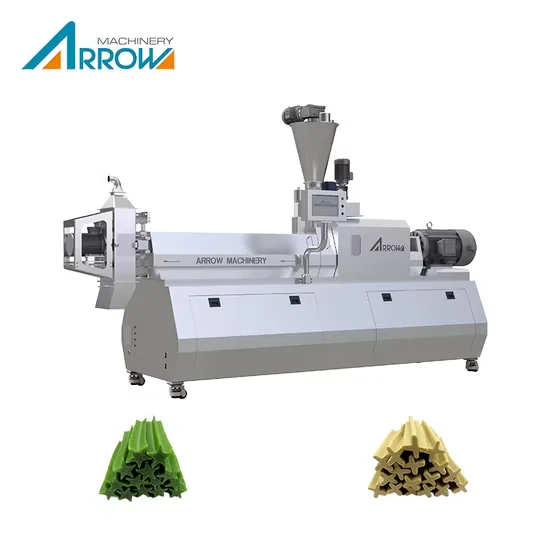
Inconsistent texture or moisture levels between pet food batches often point to a hidden mechanical issue rather than a flawed recipe. More frequently than not, the culprit is worn paddle tips or improper clearances in the mixing stage that leave pockets of unmixed fresh meat puree or dry premix.
Regular and standardized paddle mixer maintenance eliminates these batch-to-batch variations by ensuring uniform ingredient distribution and preventing cross-contamination. By adhering to a strict inspection schedule for wear patterns, seal integrity, and rotor alignment, production teams can significantly extend equipment life and reduce unplanned downtime that disrupts overall plant capacity.
Identifying Early Signs of Wear in Pet Food Mixing Systems
The first indicator of declining mixing performance is often subtle variation in product color or texture downstream. When paddle edges wear down, they lose their ability to lift and turnover heavy ingredients like fresh meat slurries or dense mineral premixes effectively. This creates dead zones within the mixing chamber where materials remain stagnant, leading to inconsistent nutrient profiles in the final kibble or treat. Operators should visually inspect paddle tips for rounding or thinning during every major shutdown. If the clearance between the paddle tip and the trough wall exceeds the manufacturer’s specified tolerance, mixing efficiency drops sharply, and energy consumption may rise as the motor struggles to move the bulk material.
Bearings and seals are equally critical, especially in environments with high dust loads from grinding or elevated humidity from wet ingredient addition. A failing seal allows fine particles to enter the bearing housing, causing premature wear and potential contamination of the product batch. Listen for changes in the acoustic signature of the mixer; unusual grinding or knocking noises often precede catastrophic bearing failure. Monitoring vibration levels can also provide early warnings of rotor imbalance caused by uneven material buildup or mechanical wear. Addressing these signs early prevents secondary damage to the drive system and ensures the mixer operates within its designed shear and turnover parameters.
Step-by-Step Cleaning and Sanitation Protocols
Cleaning protocols must differ based on whether the line processes dry kibble powders or wet meat-based formulations. For dry systems, compressed air and vacuuming remove loose dust, but sticky residues from fats or sugars require manual scraping and wash-downs. In wet food processing, such as meat chunks or sauce production, protein residues can harden quickly if left to dry, creating breeding grounds for bacteria and making subsequent cleaning difficult. Establishing a routine where the mixer is flushed with warm water immediately after discharge prevents this buildup. Pay special attention to the shaft ends and discharge gate mechanisms, where material tends to accumulate and cause blockages or seal failures.
Cross-contamination is a severe risk when switching between recipes, particularly when moving from standard adult maintenance formulas to specialized veterinary diets or hypoallergenic treats. A thorough cleaning cycle must include disassembly of accessible components to reach internal surfaces that standard spray balls might miss. Using food-grade sanitizers and verifying residual ATP levels ensures that no allergens or previous batch ingredients remain. Documenting each cleaning step and verifying its effectiveness through swab tests builds a traceable record for quality assurance audits. This rigor protects brand reputation and ensures compliance with international food safety standards.
Calibration and Adjustment for Consistent Batch Mixing
Achieving consistent mix quality requires precise calibration of paddle clearance and rotor speed. Over time, mechanical stress and thermal expansion can shift these settings, altering the shear force applied to the ingredients. For high-fat formulations or those containing micro-ingredients like vitamins and enzymes, even minor deviations in mixing time or intensity can lead to segregation or degradation. Regularly check the gap between the paddles and the vessel wall, adjusting it back to the original specification to maintain optimal turnover rates. If the mixer features variable frequency drives, verify that the speed settings match the process requirements for different product types, as over-mixing can damage particle structure while under-mixing leads to homogeneity issues.
The discharge gate mechanism also requires regular attention to prevent leakage and ensure accurate batch weights. Worn seals or misaligned gates can allow material to escape during mixing, resulting in yield loss and inconsistent batch sizes. Inspect the gate seating surface for scratches or debris that might prevent a tight seal. Lubricate moving parts with food-grade lubricants to ensure smooth operation and prevent sticking. For facilities using a Twin-Shaft Paddle Mixer, synchronizing the rotation of both shafts is crucial to avoid material trapping between opposing paddles, which can cause excessive wear and uneven mixing. Proper calibration ensures that each batch meets the target weight and composition specifications without manual intervention.
Preventive Maintenance Schedule to Minimize Downtime
A structured preventive maintenance plan transforms reactive repairs into predictable operational costs. Daily checks should include visual inspections for leaks, unusual noises, and proper operation of safety interlocks. Weekly tasks might involve lubricating bearings and checking belt tension, while monthly inspections should focus on detailed wear measurements of paddles, shafts, and seals. Keeping a log of these inspections helps identify trends and predict when components will need replacement before they fail. This data-driven approach allows procurement teams to order spare parts in advance, avoiding long lead times that could halt production.
Inventory management for critical spares such as paddle tips, seals, and bearings is essential for minimizing downtime. Standardizing components across multiple machines can simplify stockkeeping and reduce the variety of parts needed. Training maintenance staff on proper replacement techniques ensures that repairs are done correctly the first time, preventing repeat failures. Additionally, involving process engineers in maintenance reviews can help correlate mechanical conditions with product quality metrics, providing a holistic view of line performance. By integrating maintenance data with production records, factories can optimize their schedules to perform major servicing during planned shutdowns, thereby maximizing uptime and throughput.
Frequently Asked Questions
Q: How often should the paddles in a pet food mixer be replaced?
Replacement frequency depends on material abrasiveness and operating hours, but visual inspection should occur weekly. Replace paddles when wear reduces their height by more than 10-15% of the original dimension or when clearance gaps exceed manufacturer specifications. Consistent paddle mixer maintenance logs help predict replacement needs accurately.
Q: What causes uneven mixing in a twin-shaft paddle mixer?
Uneven mixing often results from worn paddle tips, incorrect rotor synchronization, or improper loading sequences. If the shafts are not timed correctly, materials may not turnover effectively. Additionally, overfilling the mixer reduces the free space needed for proper agitation, leading to dead zones and inconsistent blends.
Q: How can I prevent cross-contamination between different pet treat batches?
Implement a rigorous cleaning protocol that includes disassembly of accessible parts and use of food-grade sanitizers. Verify cleanliness with ATP swab tests before starting a new batch. Dedicated mixers for specific allergen-free lines offer the highest security, but thorough cleaning remains the primary defense for shared equipment.
Q: What are the key maintenance points for the discharge gate of a paddle mixer?
Inspect the gate seal for wear and debris accumulation daily. Ensure the actuator moves smoothly and seats tightly to prevent leakage during mixing. Lubricate pivot points with food-grade grease regularly. Misalignment or worn seals can cause material loss and inaccurate batch weights, affecting overall process consistency.
If your facility faces recurring consistency issues or unexpected downtime, reviewing your current mixing setup against your raw material characteristics is a critical first step. We can evaluate your formulation and capacity requirements to recommend appropriate equipment configurations or upgrades. Contact our engineering team to discuss raw material trials, request technical specifications, or obtain a customized layout proposal for your production line.