When you strip a formulation down to a single protein source and remove conventional grain binders, the rheology of the dough changes drastically. A recipe that runs smoothly on a standard multi-protein line may slip inside the barrel or fail to hold its shape when the natural binding agents are absent. This is not merely a matter of adjusting temperature; it is a fundamental shift in how the material responds to shear and heat.
The core challenge in producing hypoallergenic kibble lies in managing this mechanical instability while ensuring absolute protection against cross-contamination. Success requires more than just a capable extruder; it demands an integrated approach where screw configuration, drying dynamics, and physical plant layout work together to maintain product integrity and purity. A well-designed single-protein kibble line addresses both the processing difficulties of limited-ingredient diets and the strict hygiene standards required for sensitive animals.
Mastering the Rheology of Limited-Ingredient Formulas
Single-protein recipes, such as those based entirely on insect meal, hydrolyzed fish, or a specific novel meat, lack the complex starch-protein matrix found in traditional pet foods. In my experience scaling up a pure insect-based kibble, the lab-scale extruder produced perfect pellets, but the full-scale production line struggled with slippage. The dough simply would not build enough friction against the barrel wall to generate the necessary shear heat for proper gelatinization. Without the diverse amino acid profiles and natural binders present in chicken or beef blends, the material behaves more like a slippery paste than a cohesive dough.
To counteract this, the extrusion process must be carefully tuned to compensate for the lack of internal binding. This often involves adjusting the moisture content pre-conditioning and modifying the screw profile to increase mechanical energy input without overheating the sensitive proteins. The goal is to achieve sufficient expansion and structure formation while avoiding the degradation of high-value, often expensive, single-source ingredients.
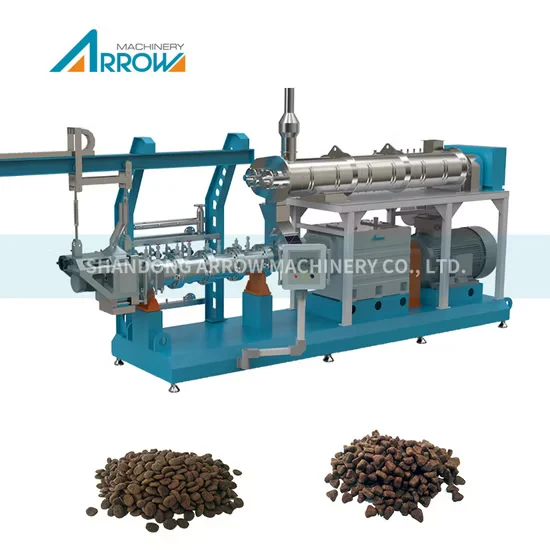
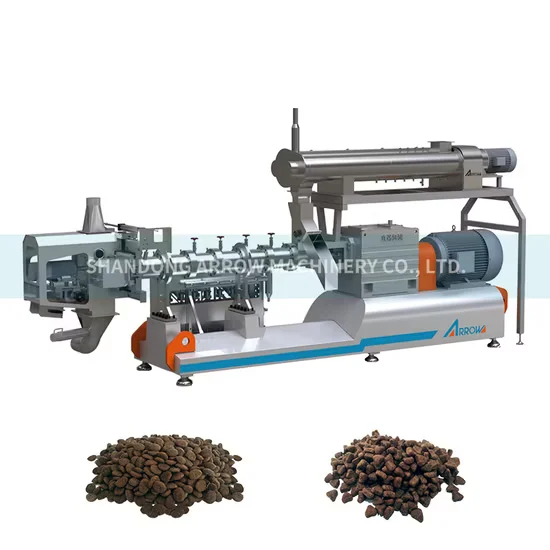
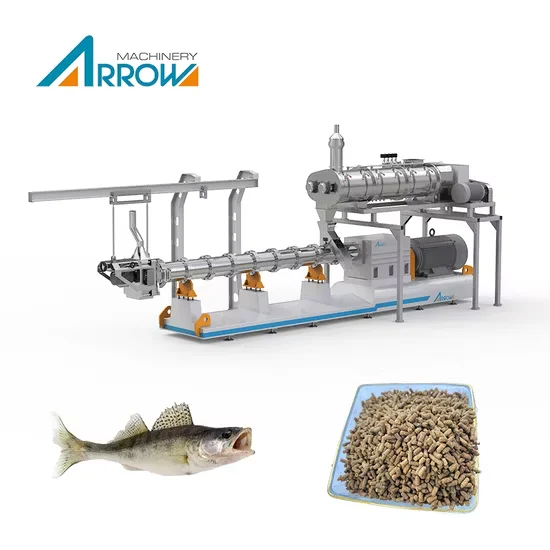
This is where the versatility of a Twin-Screw Extruder becomes critical. Unlike single-screw machines, twin-screw systems allow for precise modular configuration of screw elements. By selecting specific conveying, mixing, and shearing blocks, engineers can create a pressure profile that forces the slippery dough to engage with the barrel walls. This mechanical tuning ensures that the product reaches the necessary temperature for starch gelatinization and protein denaturation, resulting in a stable kibble structure that holds its shape during downstream processing.
Equipment Configuration for Stable Kibble Formation
Selecting the right machinery for limited-ingredient dog food production goes beyond choosing a high-capacity model. It requires matching the equipment’s mechanical capabilities to the specific physical properties of the raw materials. For hypoallergenic formulas, which often have lower bulk density and different flow characteristics, the feeding system must be highly accurate to prevent surging or starvation in the extruder barrel. High-filling pre-conditioners can help hydrate the ingredients uniformly, providing a more consistent feed stock for the extrusion zone.
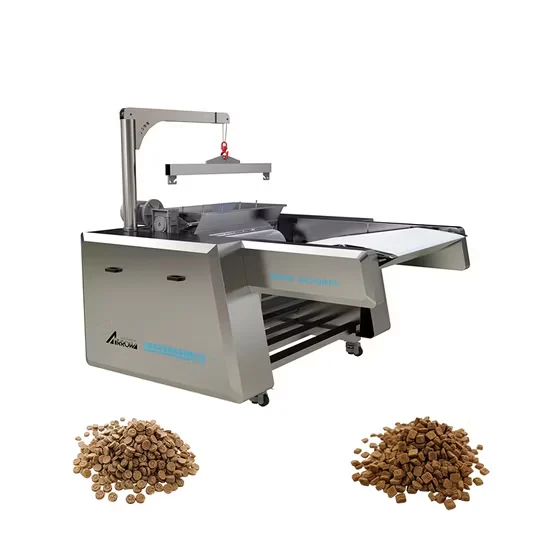
The drying stage is equally important and often represents the bottleneck in any production line. Single-protein kibbles may have different porosity and moisture migration rates compared to standard formulations. If dried too aggressively, the surface can crack or harden prematurely, trapping moisture inside and leading to spoilage. A Cross-Flow Circulation Dryer offers the controlled, uniform airflow necessary to gently remove moisture without damaging the delicate structure of the kibble. This type of dryer ensures that each pellet dries evenly, maintaining the intended texture and density required for premium hypoallergenic products.
Furthermore, the coating process must be adapted to preserve the integrity of the final product. Hypoallergenic diets often rely on specific high-quality fats or liquid palatability enhancers that must be applied evenly without crushing the kibble. Vacuum Coating Machine technology allows for deep penetration of these liquids into the porous structure of the kibble, ensuring consistent flavor and nutrient delivery while minimizing surface grease. This method is far superior to traditional drum coating for sensitive products, as it reduces mechanical stress and prevents the clumping that can occur with high-viscosity additives.
Designing for Purity: Preventing Cross-Contamination
For manufacturers producing hypoallergenic pet food, the risk of cross-contamination is a primary concern. Even trace amounts of common allergens like chicken, beef, or wheat from a previous batch can render a product unsafe for sensitive animals. Therefore, the physical layout of the plant and the design of the equipment must prioritize hygiene and ease of cleaning. This is not just about washing machines; it is about creating a workflow that minimizes the potential for airborne dust or residual material to migrate between different production zones.
Equipment selection plays a vital role in this strategy. Machines with quick-release designs and smooth, accessible surfaces reduce the time and effort required for changeovers. In areas where different formulas are processed, physical isolation or dedicated air handling systems can prevent cross-contact through ventilation. Additionally, the use of closed conveying systems between grinding, mixing, and extrusion stages helps contain dust and prevents external contamination.
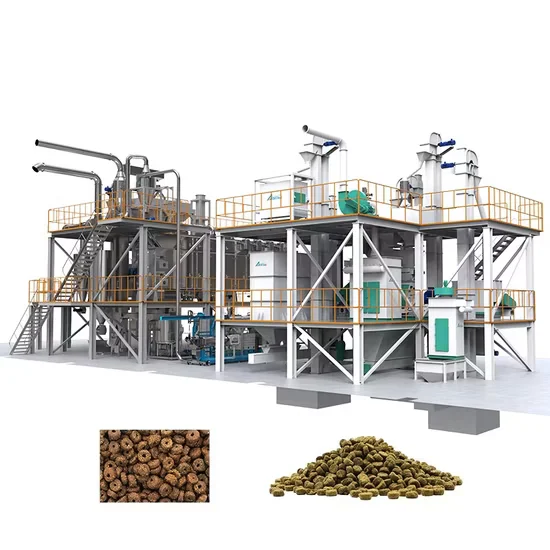
When planning a new facility or retrofitting an existing one, it is essential to consider the entire material flow. From raw material intake to finished product packaging, every touchpoint must be evaluated for contamination risk. Dedicated storage silos for single-source proteins and separate mixing lines for allergen-free formulas are common strategies. The engineering team should provide a layout that supports these hygiene protocols, ensuring that maintenance access does not compromise the cleanliness of adjacent production areas. This holistic approach to plant design is as important as the machinery itself in guaranteeing the safety and purity of the final product.
Finishing Touches for Hypoallergenic Diets
The final stages of production involve more than just packaging; they include the precise application of coatings that define the product’s appeal and nutritional completeness. For limited-ingredient diets, the coating often consists of a single source of fat or a specific hydrolysate. Uniformity is key, as inconsistent coating can lead to variation in palatability and nutrient intake. Advanced coating systems allow for precise control over the amount and distribution of these liquids, ensuring that every kibble meets the specified standards.
Moreover, the cooling and handling of the finished product must be gentle to prevent breakage. Hypoallergenic kibbles, especially those with unique shapes or lower structural density, can be fragile. Proper cooling tunnels and soft-handling conveyors help maintain the visual quality of the product, which is crucial for brand reputation. The integration of these downstream processes with the upstream extrusion and drying stages ensures a smooth, continuous flow that maximizes efficiency and minimizes waste.
Frequently Asked Questions
Q: Can a standard twin-screw extruder handle 100% single-protein recipes without grains?
A: Yes, but it requires specific configuration. Standard screws may cause slippage due to low friction. By modifying the screw profile to increase shear and adjusting pre-conditioning moisture, a twin-screw extruder can effectively process grain-free, single-protein doughs. The key is matching the mechanical energy input to the rheological properties of the specific protein source.
Q: How do we prevent cross-contamination when switching between different hypoallergenic formulas?
A: Prevention starts with plant layout and equipment design. Use dedicated storage and conveying lines for major allergens. Select machines with easy-clean features and quick-disassembly parts. Implement strict cleaning protocols, including wet cleaning or CIP systems where possible, and validate cleaning effectiveness with regular allergen testing to ensure no residue remains between batches.
Q: What drying parameters are critical to maintain kibble integrity for limited-ingredient diets?
A: Temperature and airflow uniformity are critical. Single-protein kibbles may dry differently than standard formulas. Use a dryer that provides consistent, gentle heat and airflow, such as a cross-flow circulation dryer. Avoid high-temperature spikes that can cause surface cracking. Monitor moisture content closely to ensure the center of the kibble is dry without over-drying the exterior, which preserves texture and shelf life.
Q: Is vacuum coating necessary for hypoallergenic pet food?
A: While not strictly mandatory, it is highly recommended for high-fat or liquid-enhanced formulas. Vacuum coating ensures deep penetration of oils and palatability enhancers into the kibble structure, reducing surface grease and improving stability. This results in a cleaner, more consistent product that is less prone to rancidity and clumping, which is essential for premium hypoallergenic diets.
If you are planning a production line for single-protein or hypoallergenic pet food, precise engineering is non-negotiable. Send your specific formula details and target capacity to receive a customized technical specification sheet. We can also discuss raw material trials to validate the screw configuration and drying parameters before you commit to a full-scale investment, ensuring your plant layout effectively mitigates cross-contamination risks.