When consumers pay a premium for clean label products, your extruder screw configuration and drying temperature curve may be silently destroying the natural nutritional value of organic ingredients. I remember standing on a factory floor in Germany, watching our organic kibble line struggle because high-fiber dough slipped inside a traditional feeder, leading to uneven pellet sizes. This experience highlights that producing clean label pet food requires more than just sourcing certified raw materials; it demands precise control over shear and temperature throughout the entire processing chain.
To successfully manufacture organic pet food, you need a twin-screw extrusion system that allows for gentle processing parameters, paired with downstream equipment designed for easy cleaning and uniform drying. The core challenge lies in balancing product expansion and texture without relying on synthetic binders or excessive heat that degrades sensitive nutrients. By integrating specialized mixing, extrusion, and coating technologies, manufacturers can maintain the integrity of organic formulations while ensuring consistent output and preventing cross-contamination.
Precision Shear and Temperature Management for Heat-Sensitive Organic Ingredients
Organic raw materials often behave differently than conventional counterparts due to the absence of synthetic flow agents and binders. High-fiber ingredients, such as organic peas or sweet potatoes, can create friction issues inside the barrel if not managed correctly. In traditional high-shear processes, this friction generates excessive heat, triggering unwanted Maillard reactions that reduce protein availability and alter the natural color of the kibble. To mitigate this, the extrusion process must be carefully calibrated to provide sufficient cooking for starch gelatinization without overheating the product.
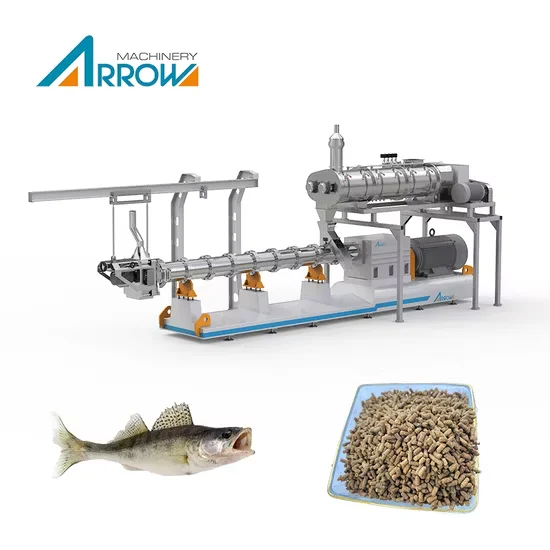
A Twin-Screw Extruder offers the flexibility needed for these delicate formulations. Unlike single-screw systems, twin-screw designs allow operators to adjust screw elements and barrel temperatures independently across multiple zones. This modularity enables the creation of a gentle shear profile that mixes and cooks the dough uniformly while minimizing thermal degradation. For organic pet food extrusion, this means you can achieve the desired expansion and texture using lower mechanical energy input, preserving the natural vitamins and enzymes that appeal to health-conscious pet owners.
Furthermore, the ability to precisely control moisture addition before extrusion is critical. Preconditioning helps stabilize the feed rate and reduces the load on the main extruder motor, leading to a more stable process. When dealing with variable organic ingredients, this stability prevents the surging and choking that often result in inconsistent pellet density. By focusing on these technical adjustments, manufacturers can produce high-quality organic kibble that meets both nutritional standards and consumer expectations for natural appearance.
Ensuring Purity and Preventing Cross-Contamination in Clean Label Facilities
Clean label certification requires strict adherence to protocols that prevent any contact between organic and non-organic materials. This extends beyond ingredient storage to the processing equipment itself. Residual buildup in mixers, extruders, and dryers can compromise an entire batch of organic product, leading to costly recalls and loss of certification. Therefore, equipment design must prioritize accessibility and ease of cleaning. Quick-disconnect clamps, polished surfaces, and minimal dead zones are essential features for any machine used in a clean label facility.
When switching from conventional to organic recipes, the efficiency of the cleaning process becomes a major operational factor. Mixers such as the Single-Shaft or Twin-Shaft Paddle Mixer should be designed to allow thorough wash-downs without requiring extensive disassembly. Similarly, the die head and cutter assembly of the extruder must be easily accessible for manual cleaning to remove any trapped particles. Implementing strict standard operating procedures for changeovers ensures that no trace of synthetic additives or non-organic grains remains in the system.
Cross-contamination risks are not limited to solid residues. Airborne dust from grinding and mixing operations can settle on exposed surfaces or enter ventilation systems. Effective dust collection and negative pressure zones in critical areas help maintain air quality. Additionally, using dedicated conveyors or thoroughly cleaning shared conveying lines between batches is necessary. By treating hygiene as an integral part of the engineering design rather than an afterthought, producers can safeguard the integrity of their organic claims and maintain consumer trust.
Gentle Drying and Low-Temperature Coating to Preserve Natural Profiles
Drying is often the bottleneck in pet food production and a critical stage for quality preservation. Organic kibble, which may have a more porous structure due to the lack of synthetic binders, is susceptible to case hardening if dried too aggressively. Case hardening occurs when the surface dries faster than the interior, trapping moisture inside and leading to spoilage or uneven texture. A Cross-Flow Circulation Dryer provides a solution by distributing heated air evenly across the product bed, allowing for gradual and uniform moisture removal.
This gentle drying approach helps maintain the structural integrity of the kibble, preventing cracks and breakage that can occur with rapid temperature changes. Consistent moisture content is also vital for the subsequent coating stage. If the kibble is too dry, it may absorb coatings unevenly; if too wet, the coating may not adhere properly. Balancing the drying curve with the specific formulation of the organic dough ensures that the final product has the right crunch and shelf stability without compromising its natural characteristics.
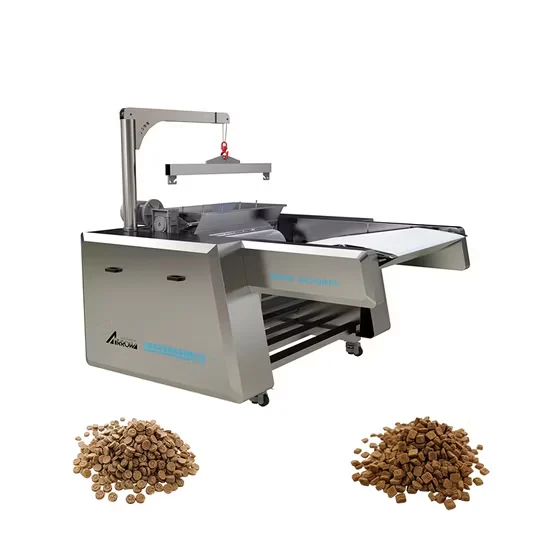
For adding fats and flavors, traditional drum coaters often require heat that can degrade sensitive organic oils. A Vacuum Coating Machine offers a superior alternative by applying coatings under reduced pressure. This process allows organic oils and liquid palatants to penetrate deep into the kibble pores at lower temperatures, preserving their nutritional value and aromatic properties. The result is a product with enhanced palatability and a uniform coating that does not feel greasy to the touch, meeting the high aesthetic and functional standards of the premium organic market.
Adapting Production Lines for Diverse Organic Product Formats
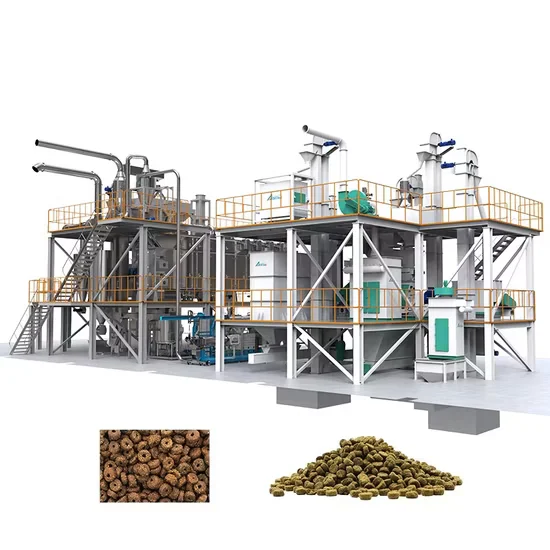
The organic pet food market is not limited to standard dry kibble. Consumers are increasingly interested in baked treats, soft chews, and freeze-dried options. A flexible production line can accommodate these diverse formats without requiring completely separate facilities. By utilizing modular equipment configurations, manufacturers can switch between different product types with minimal downtime. For instance, the same extrusion base can be adapted for cold extrusion processes to create dense, chewy treats that do not require expansion.
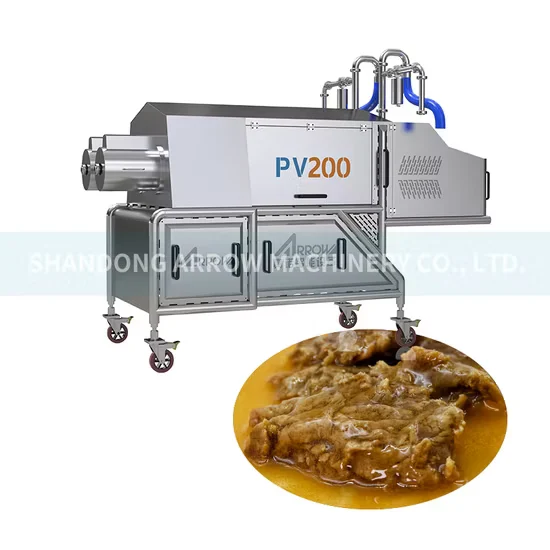
Cold extrusion focuses on shaping the dough rather than expanding it, making it ideal for high-meat-content treats or specialty snacks. This process operates at lower temperatures, further protecting the nutritional integrity of fresh meat inclusions. By swapping out the screw configuration and adjusting the downstream drying or baking modules, a single line can produce both expanded kibble and dense treats. This versatility allows producers to respond quickly to market trends and expand their product portfolio without significant capital investment in new machinery.
Moreover, the ability to test new formulations is crucial for innovation in the organic sector. Working with a supplier who offers process consultation and trial capabilities enables manufacturers to refine their recipes before full-scale production. Testing different screw combinations, drying times, and coating ratios in a controlled environment helps identify the optimal parameters for each new product. This collaborative approach reduces the risk of production failures and ensures that every new launch meets the high quality expectations of organic pet owners.
Frequently Asked Questions
Q: What screw configuration is best for extruding heat-sensitive organic pet food ingredients?
A: For heat-sensitive organic ingredients, a screw configuration with moderate compression and extended mixing sections is recommended. This setup ensures thorough cooking and homogenization without generating excessive shear heat. Using conveying elements interspersed with gentle kneading blocks helps maintain a stable melt temperature, preserving nutrients while achieving the desired texture and expansion levels for clean label kibble.
Q: How can we prevent cross-contamination when switching between conventional and organic recipes?
A: Preventing cross-contamination requires equipment with easy-access design features, such as quick-release clamps and polished surfaces. Implementing rigorous cleaning protocols, including wet washing and inspection of dead zones in mixers and extruders, is essential. Dedicated conveyors for organic lines or validated cleaning procedures that verify the absence of residual allergens and non-organic materials help maintain certification compliance and product purity.
Q: Which drying technology ensures even moisture removal without damaging organic kibble structure?
A: A Cross-Flow Circulation Dryer is ideal for organic kibble as it provides uniform airflow and gentle heat distribution. This method prevents case hardening by allowing moisture to escape gradually from the interior of the pellet. Consistent drying preserves the structural integrity of the kibble, reducing breakage and ensuring that the final moisture content is stable for storage and coating applications.
Q: Can a single production line handle both organic dry kibble and baked organic treats?
A: Yes, a modular production line can handle both formats by adjusting the extrusion and downstream processing parameters. For kibble, the line uses high-temperature extrusion and drying. For baked treats, the extruder may operate in a cold or low-temperature mode to form the dough, which is then transferred to a baking oven instead of a dryer. This flexibility allows manufacturers to diversify their product offerings efficiently.
Send your organic raw material formula and target capacity to receive a customized clean label production line layout and technical specifications. Our engineering team can help you evaluate the right equipment configuration, from extrusion to coating, ensuring your facility meets the strict requirements of organic certification while maximizing operational efficiency.