Ignoring internal dead zones and airflow short-circuiting in your dryer does not just waste energy. It silently compromises batch consistency, leading to pet food moisture levels that exceed specifications or localized spoilage risks. The solution is not always a new machine. Systematic internal cleaning and rigorous airflow distribution checks are the primary safeguards for maintaining thermal efficiency and product uniformity in cross-flow drying systems.
Step-by-Step Internal Cleaning Protocols
Safety is the non-negotiable first step in any maintenance routine. Before opening the dryer housing, ensure the equipment is completely powered down and locked out. Allow sufficient cooling time for heating elements and internal structures to prevent burns. Once safe access is confirmed, focus on removing accumulated powder and grease residues from heating tubes, air ducts, and the corners of mesh belts or trays. These deposits act as insulators, reducing heat transfer efficiency and creating hotspots that can scorch product while leaving other areas under-dried.
In facilities producing multiple flavors of pet treats or kibble, cross-contamination is a critical quality control concern. Residual fats and flavorings from previous batches can cling to internal surfaces and migrate into subsequent production runs. Establish a strict cleaning acceptance standard that includes visual inspection of hard-to-reach areas and swab testing for allergen residues where required. This discipline ensures that each batch meets its specific formulation targets without interference from prior production cycles.
For operations handling high-fat formulations or fresh meat inclusions, cleaning frequency must increase. Grease buildup accelerates in these conditions, potentially leading to smoke generation or fire hazards if left unchecked. Use approved industrial degreasers that do not leave corrosive residues on stainless steel components. Regular removal of these organic deposits preserves the integrity of the drying chamber and supports consistent thermal performance across extended production shifts.
Diagnosing and Correcting Airflow Short-Circuiting
Airflow short-circuiting occurs when heated air bypasses the product layer, taking the path of least resistance through gaps or blocked channels. This phenomenon drastically reduces drying capacity and creates uneven moisture profiles within the same batch. Start by verifying the operational status of circulation fans and checking the open position of intake and exhaust dampers. Incorrect damper settings can restrict total airflow volume or create pressure imbalances that favor certain zones over others.
Use an anemometer to measure air velocity at multiple points across the drying chamber face. Significant variations in wind speed indicate distribution problems that require mechanical adjustment. In many cases, internal deflectors or baffles have shifted due to vibration or thermal expansion. Realigning these guides ensures that hot air penetrates the material bed uniformly rather than channeling around it. This adjustment is often the difference between a stable process and one that requires constant manual intervention.
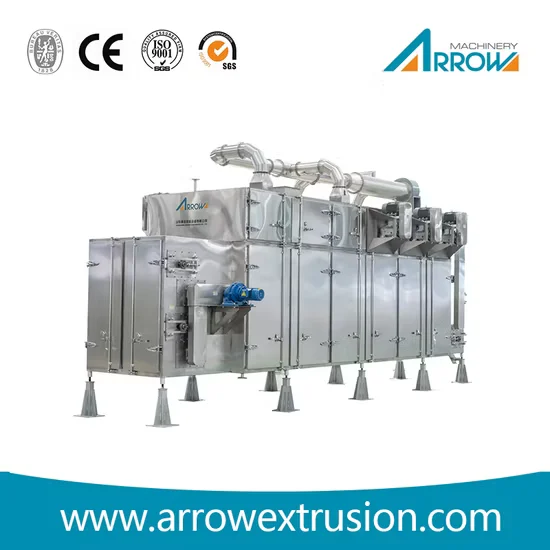
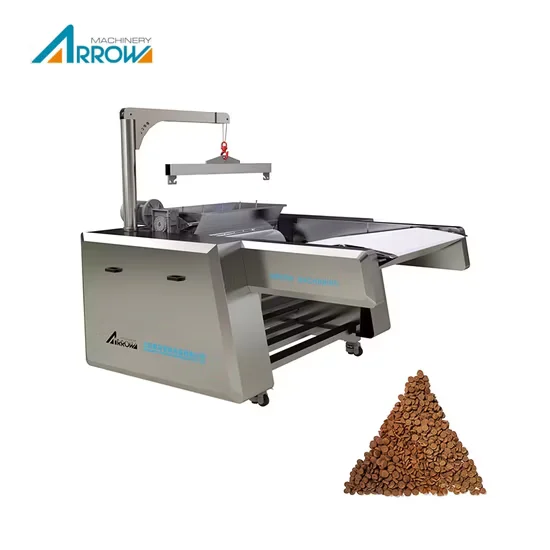
The design of the Cross-Flow Circulation Dryer emphasizes uniform air distribution, but physical obstructions can negate these engineering advantages. Check for product spillage or broken pellets that may have fallen into lower plenums, blocking air passages. Even small accumulations can disrupt the pressure balance required for even drying. Clearing these blockages restores the intended airflow pattern and allows the system to operate at its designed thermal efficiency.
Routine Inspection of Filters and Heat Exchangers
Intake filters serve as the first line of defense against ambient dust and particulates entering the drying system. Over time, these filters become clogged, restricting airflow and forcing fans to work harder while delivering less heat to the product. Implement a regular schedule for cleaning or replacing filter media based on the facility’s ambient air quality and production intensity. Monitoring the pressure drop across the filter provides a quantitative metric for determining when maintenance is required, moving beyond guesswork to data-driven decisions.
Heat exchangers transfer thermal energy from the source to the circulating air. Dust and grease accumulation on fin surfaces acts as an insulating layer, severely impairing heat transfer efficiency. Inspect fins regularly for debris and clean them using appropriate methods that do not damage the delicate metal structures. A clean heat exchanger ensures that the fuel or electrical energy consumed translates directly into useful drying heat, optimizing operational costs and maintaining consistent inlet temperatures.
Recording pressure differential changes over time helps predict maintenance needs before they impact production. A gradual increase in pressure drop signals filter loading, while sudden changes may indicate blockages or fan issues. Maintaining detailed logs of these metrics allows production managers to schedule downtime proactively rather than reacting to unexpected failures. This predictive approach minimizes unplanned stoppages and extends the service life of critical components.
Optimizing Maintenance Schedules for Pet Food Lines
Maintenance frequency should align with the specific demands of your production schedule. Facilities with frequent product changeovers require more intensive cleaning protocols to prevent cross-contamination and ensure recipe accuracy. Develop daily, weekly, and monthly checklists that cover critical tasks such as belt tension checks, fan bearing lubrication, and sensor calibration. Integrating these tasks into standard operating procedures ensures that maintenance becomes a routine part of production rather than an disruptive emergency response.
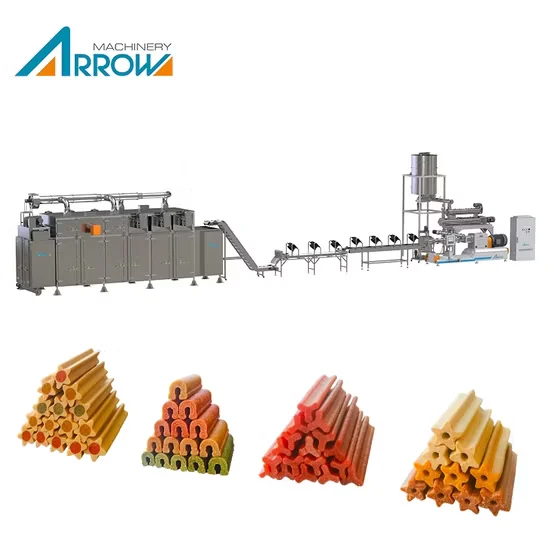
Preventive maintenance directly contributes to reduced downtime and extended equipment longevity. By addressing minor issues before they escalate into major failures, manufacturers can maintain consistent throughput and product quality. This proactive stance also supports better planning for spare parts inventory and technician availability. When every component functions as intended, the entire line operates more smoothly, reducing the risk of bottlenecks that can stall upstream extrusion or downstream packaging processes.
Collaborating with equipment suppliers during the planning phase can help tailor maintenance schedules to specific operational realities. Suppliers who offer process consultation can provide insights into common wear points and optimal cleaning intervals based on similar installations. This knowledge transfer empowers factory teams to manage their assets more effectively, ensuring that the drying section remains a reliable contributor to overall plant productivity rather than a persistent bottleneck.
Frequently Asked Questions
Q: How often should a cross-flow dryer be cleaned in a pet food plant?
A: Cleaning frequency depends on product type and production volume. High-fat or strong-flavored products may require daily cleaning to prevent residue buildup and cross-contamination. Standard kibble production might allow for weekly deep cleans, with daily visual inspections and spot cleaning. Always follow internal quality standards and adjust based on observed accumulation rates.
Q: What are the signs of airflow short-circuiting in a drying system?
A: Key indicators include uneven moisture content across the product batch, longer drying times than usual, and inconsistent temperature readings within the chamber. Visual cues such as excessive steam venting from specific areas or unusual noise from fans can also signal airflow issues. Regular monitoring of product moisture and energy consumption helps detect these problems early.
Q: Can poor dryer maintenance affect the moisture consistency of pet kibble?
A: Yes, inadequate cleaning and unchecked airflow issues directly impact moisture uniformity. Blocked filters or dirty heat exchangers reduce thermal efficiency, leading to under-dried spots. Airflow short-circuiting causes uneven heat distribution, resulting in some pellets being overly dry while others retain excess moisture. Consistent maintenance is essential for meeting strict moisture specifications.
Q: What tools are needed to check the airflow distribution inside the dryer?
A: An anemometer is essential for measuring air velocity at various points in the drying chamber. Thermal imaging cameras can help identify hot or cold spots indicating uneven airflow. Pressure gauges monitor filter and system pressure drops. Basic hand tools are required for adjusting dampers and baffles. These tools enable precise diagnosis and correction of airflow irregularities.
If you are facing inconsistencies in drying performance or planning a new line where moisture control is critical, share your raw material formula and target capacity. We can discuss how to integrate efficient drying solutions into your complete production layout, ensuring balanced throughput from extrusion to packaging. Request technical specifications or consult on raw material trials to optimize your process parameters.