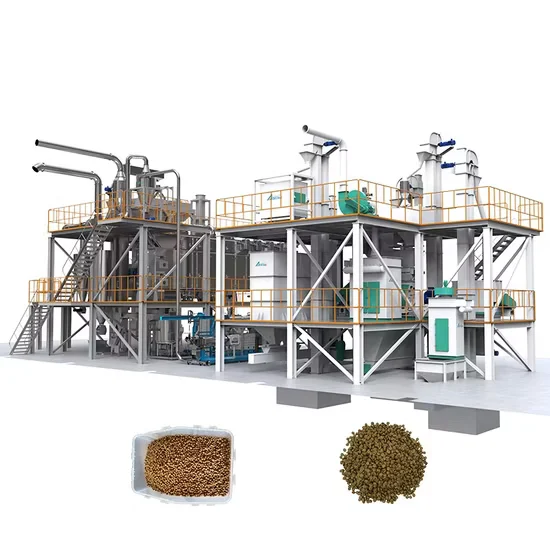
When your coated cat food kibble leaks oil shortly after packaging, the problem often lies not in the coating machine itself, but in hidden vulnerabilities left by upstream drying and extrusion processes. A glossy surface right out of the vacuum coater can be deceptive if the thermal management chain is broken before the product reaches the bagging station.
Oil leakage from coated kibble is rarely a single-point failure. It is typically a cumulative process issue where insufficient expansion during extrusion, uneven moisture gradients after drying, and mismatched temperatures during vacuum coating combine to compromise the structural integrity of the pellet. Addressing this requires a holistic view of the entire production line, ensuring that each stage supports the next rather than creating new defects.
Diagnosing the Physical Causes of Surface Oil Migration
To effectively troubleshoot oil leaking coated cat food kibble, you must first understand the physical structure of the pellet. The kibble acts as a porous matrix designed to hold fats within its internal cells or on its surface, depending on the formulation. If the internal structure is too dense due to low expansion, there is insufficient room for internal fat retention, forcing lipids to migrate outward under pressure or heat. Conversely, if the surface is too rough or cracked, the coating cannot form a continuous film, leading to immediate seepage.
Moisture content plays a critical role in this dynamic. Even slight variations in water activity across a batch can cause differential expansion and contraction during cooling. When a kibble with high internal moisture meets a hot fat coating, steam pressure can build up inside the pellet, pushing oil out through micro-fractures in the crust. This is why consistent drying is not just about shelf stability; it is a prerequisite for successful coating adhesion.
Another common culprit is the temperature differential between the kibble and the applied fat. If the kibble is too hot, the fat remains too fluid to set properly, soaking deep into the pores rather than forming a surface layer. If it is too cold, the fat may solidify upon contact, creating a brittle shell that cracks during handling. Finding the thermal sweet spot requires precise control at every stage, from the dryer exit to the coating drum inlet.
Optimizing Extrusion and Drying for Coating Readiness
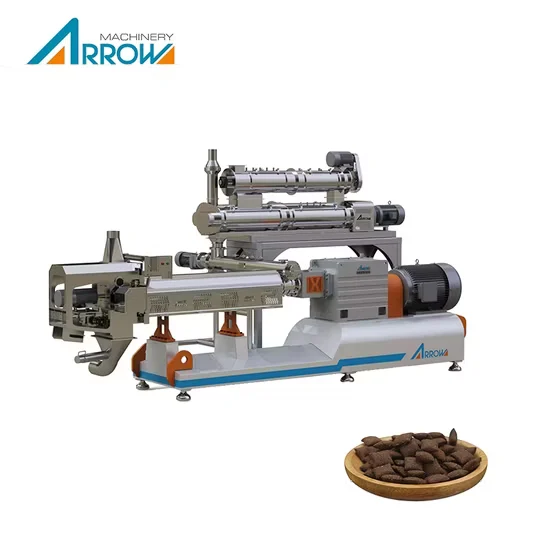
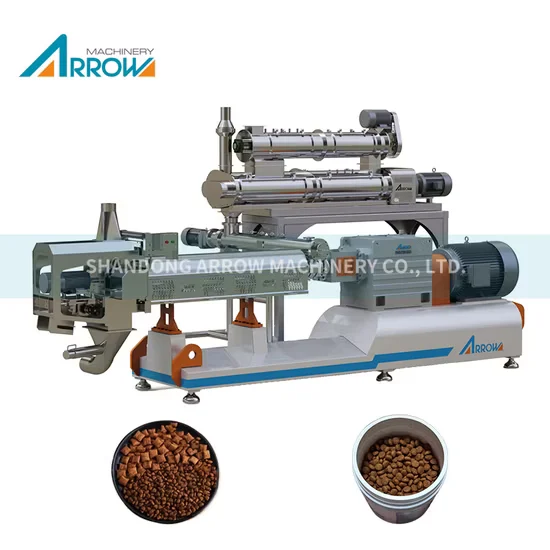
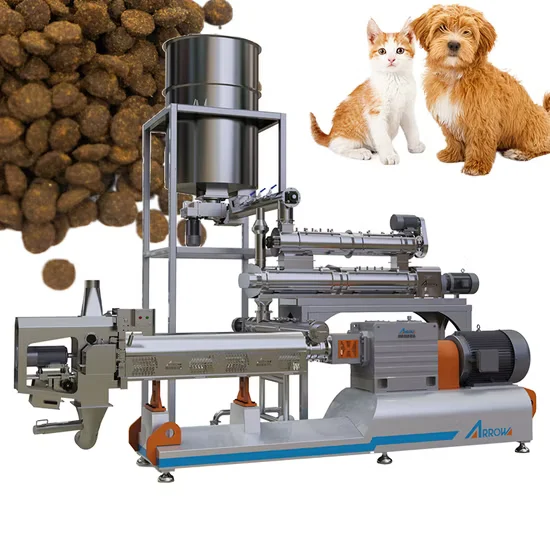
The foundation of a leak-free coated product is laid in the extruder. A Twin-Screw Extruder offers superior control over shear and temperature profiles compared to single-screw alternatives, which is vital when working with high-meat or high-fat formulations. By adjusting the screw configuration and barrel temperatures, you can influence the degree of starch gelatinization and cell structure formation. Properly expanded kibble has a uniform cellular structure that can better accommodate internal fats, reducing the drive for migration during subsequent processing.
However, even perfect extrusion can be undone by poor drying. Uneven drying creates moisture gradients within the pellet, leading to stress cracks that become pathways for oil. A Cross-Flow Circulation Dryer ensures consistent air distribution across the bed of kibble, minimizing hot spots and ensuring uniform moisture removal. This uniformity is essential because any wet spot will resist fat absorption, while any overly dry spot may absorb too much, leading to rancidity or surface pooling.
It is also important to match the capacity of your drying system to your extrusion output. If the dryer is the bottleneck, operators may be tempted to increase airflow temperature or reduce residence time, both of which can compromise product quality. Ensuring that the drying section is adequately sized for your target throughput prevents these shortcuts and maintains the structural integrity needed for effective coating.
Precision Control in Vacuum Coating Operations
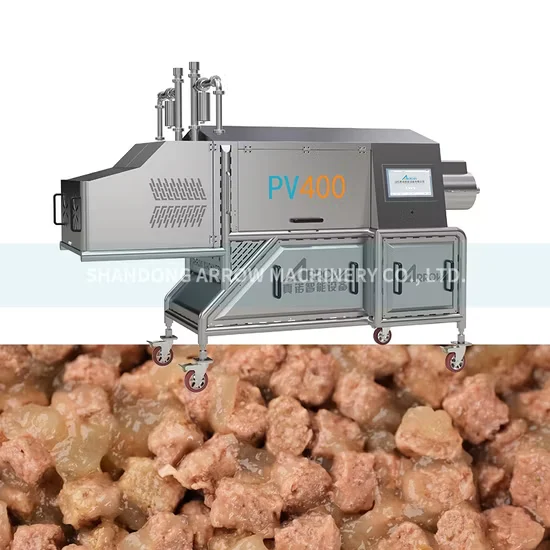
Once the kibble is prepared, the coating process itself must be meticulously managed. A Vacuum Coating Machine is ideal for high-fat applications because it pulls air out of the kibble pores, allowing** inside the pellet, reducing the amount of free oil on the surface that can leak. However, the effectiveness of this process depends heavily on the vacuum level and the duration of the cycle.
If the vacuum is too weak, the fat will only coat the surface, leaving the internal pores empty and creating a reservoir for migration later. If the vacuum is too strong or held too long, it may damage fragile kibble structures. Operators must balance these parameters based on the specific density and hardness of their product. Regular calibration of vacuum gauges and pumps is essential to maintain consistency across batches.
Temperature control of the fat itself is equally critical. The fat must be heated to a viscosity that allows it to flow easily into the pores but not so hot that it degrades or causes excessive heat transfer to the kibble. Using a double-jacketed tank with precise thermostatic control helps maintain this balance. Additionally, the agitation speed within the coater must be sufficient to ensure even distribution without causing attrition that generates fines, which can clog filters and reduce vacuum efficiency.
Managing Post-Coating Cooling and Handling
The final step in preventing oil leakage is often the most overlooked: cooling. After coating, the kibble is warm and the fat is still semi-fluid. If it is packaged immediately, the residual heat will keep the fat mobile, allowing it to seep through the packaging material over time. A dedicated cooling conveyor is necessary to drop the product temperature below the solidification point of the fat before it enters the bagging area.
The rate of cooling matters. Rapid cooling with very cold air can cause thermal shock, leading to surface cracking that compromises the coating. Gradual, controlled cooling allows the fat to set evenly, forming a stable barrier. Monitoring the product temperature at the end of the cooling line provides a key quality control metric. If the temperature is too high, adjust the airflow or conveyor speed; if it is too low, check for excessive ambient air infiltration.
Handling equipment downstream must also be gentle. Sharp turns, high-drop transfers, or aggressive screw conveyors can abrade the coated surface, breaking the fat layer and exposing fresh kibble that will release more oil. Using belt conveyors with smooth transitions and minimizing transfer points helps preserve the integrity of the coating until the product is securely packaged.
Frequently Asked Questions
Q: Why does my coated kibble leak oil only after a few hours of packaging?
A: This delay usually indicates that the fat did not fully solidify before packaging or that internal moisture is migrating outward. Residual heat in the kibble keeps the fat fluid, allowing it to move through the packaging material over time. Ensure your cooling conveyor reduces the product temperature sufficiently below the fat’s melting point before bagging.
Q: How does kibble moisture content affect the vacuum coating process?
A: High moisture content can prevent fat from* as water and oil do not mix. Uneven moisture also leads to inconsistent expansion and potential cracking during drying. Maintaining a uniform and appropriate moisture level before coating ensures better fat absorption and reduces the risk of surface pooling and subsequent leakage.
Q: What is the ideal fat temperature for the vacuum coating machine?
A: The ideal temperature depends on the specific fat blend used, but it should be high enough to ensure low viscosity for penetration without degrading the fat or overheating the kibble. Typically, this is slightly above the melting point of the fat. Consult your fat supplier for specific viscosity curves and test small batches to find the optimal setting for your equipment.
Q: Can adjusting the twin-screw extruder reduce internal oil migration?
A: Yes, optimizing the extrusion process can improve the internal structure of the kibble, creating a more uniform cellular matrix that holds fat better. Adjusting screw speed, barrel temperature, and moisture input can enhance expansion and starch gelatinization. A well-structured pellet is less prone to internal pressure buildup that forces oil to the surface during storage.
If you are struggling with oil leakage or inconsistent coating quality, send us your raw material formula and target capacity. We can help you evaluate your current process and provide a comprehensive solution that integrates extrusion, drying, and vacuum coating for optimal performance. Request a technical specification sheet or discuss a trial run to see how our equipment can stabilize your production line.