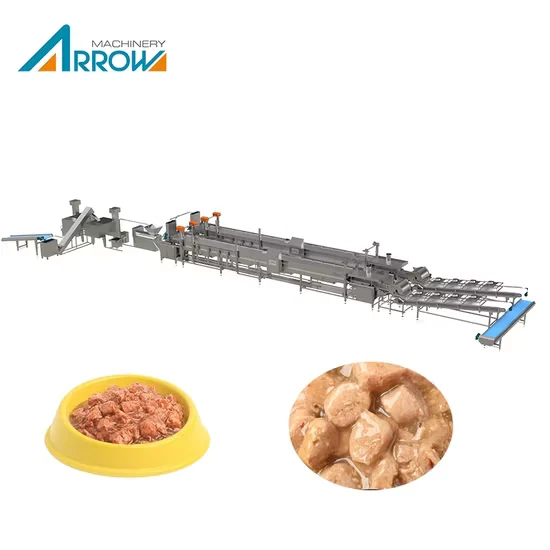
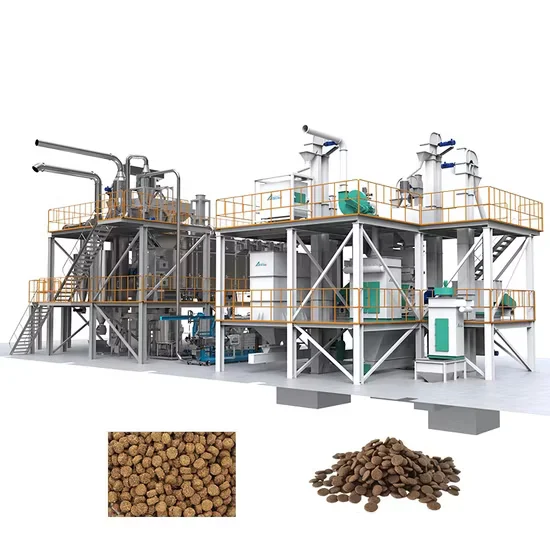
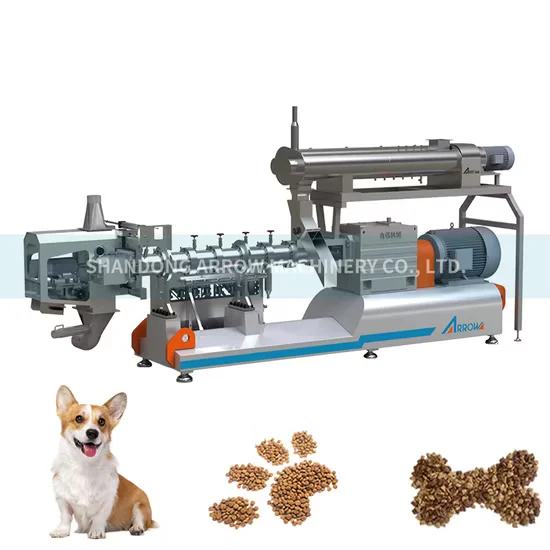
Relying on mismatched standalone machines often creates process bottlenecks that ruin batch consistency, a lesson learned the hard way when dryer capacity failed to keep up with extruder output. For Polish producers targeting strict European export markets, this fragmentation is not just an operational inconvenience but a direct threat to compliance and brand reputation. The solution lies in adopting an integrated approach where every stage of production is engineered to work in harmony.
Achieving high standards for pet food factory equipment Poland requires more than purchasing individual units; it demands a complete production line configured around your specific raw materials and target product characteristics. By aligning the extrusion, drying, and coating stages through precise process engineering, manufacturers can ensure stable throughput and consistent quality that meets rigorous international requirements.
Aligning Extrusion Parameters with High-Meat Formulations
The heart of any dry kibble or treat line is the extrusion system, but selecting the right machine depends entirely on the recipe. When formulations include significant amounts of fresh meat or high fat content, standard single-screw options often struggle with feeding consistency and shear control. A Twin-Screw Extruder offers greater flexibility in these scenarios, allowing for precise adjustment of screw configuration and temperature profiles to handle diverse ingredient behaviors. This adaptability is crucial for maintaining nutrient integrity while achieving the desired texture and expansion.
Process evaluation must precede equipment selection. Understanding how starch gelatinizes under specific moisture and heat conditions helps determine the optimal barrel length and screw pitch. Without this foundational analysis, even the most advanced machinery may fail to produce uniform pellets. For producers in Poland looking to differentiate their exports, the ability to run complex recipes without frequent downtime for cleaning or adjustment is a key competitive advantage.
Furthermore, the integration of low-temperature cold extrusion options allows for the creation of specialized treats that retain heat-sensitive nutrients. This technology focuses on forming rather than expansion, providing a versatile tool for manufacturers expanding into the premium snack segment. By matching the extrusion method to the specific physical properties of the raw materials, producers can minimize waste and maximize yield from expensive ingredients.
Precision Drying and Coating for Export Compliance
Once the product is formed, controlling moisture content becomes the primary challenge. In many poorly designed lines, the dryer becomes the bottleneck, leading to uneven drying rates that cause cracking or microbial instability. A Cross-Flow Circulation Dryer addresses this by ensuring uniform air distribution across all trays or belts, which is essential for achieving consistent moisture levels throughout the batch. This precision is vital for meeting the strict shelf-life and safety standards required for exporting pet food within the EU.
After drying, the coating stage determines palatability and final nutritional value. For high-fat diets, traditional drum flavoring may not provide sufficient absorption without making the surface greasy. A Vacuum Coating Machine allows fats and liquid additives to penetrate the porous structure of the kibble, resulting in a cleaner surface and higher inclusion rates. This method not only improves the sensory appeal for pets but also reduces the risk of oxidation during storage and transport.
The synergy between drying and coating is often overlooked. If the kibble is not dried to the exact target moisture before entering the coater, the vacuum process will be inefficient, and the final product may suffer from quality issues. By engineering these two stages as part of a cohesive system, manufacturers can avoid the trial-and-error phase that typically plagues new factory startups. This integrated approach ensures that the final product consistently meets the visual and textural expectations of discerning European consumers.
Modular Integration for Scalable Factory Layouts
Building a new facility or upgrading an existing one requires careful consideration of space and workflow. A modular design approach allows for the seamless integration of grinding, mixing, extrusion, drying, and coating systems into a compact footprint. This is particularly important for factories in urban or semi-urban areas in Poland where real estate costs are high. By balancing the duty points of each machine, engineers can prevent upstream or downstream bottlenecks that limit overall plant capacity.
Scalability is another critical factor. As demand grows, the ability to add parallel modules or upgrade specific sections without shutting down the entire line is invaluable. For instance, adding a second mixer or expanding the drying tunnel can be planned into the initial layout. This forward-thinking design strategy protects the initial investment and provides a clear path for future expansion. It also simplifies maintenance, as standardized components and accessible service points reduce downtime during routine checks.
When sourcing pet food factory equipment Poland, investors should look for suppliers who offer comprehensive layout services. These services take into account local utility constraints, such as power frequency and available heat sources, to optimize energy efficiency. A well-planned layout not only improves operational efficiency but also enhances worker safety and ease of cleaning, which are critical for maintaining hygiene standards in food production environments.
Ensuring Smooth Commissioning and Technical Support
The transition from equipment installation to full-scale production is a critical phase where many projects face delays. Comprehensive support during this period is essential to ensure that the line operates at its designed capacity. This includes factory acceptance testing to verify performance before shipment, followed by on-site installation and commissioning by experienced engineers. Such hands-on support helps identify and resolve any integration issues early, minimizing the risk of prolonged downtime.
Operator training is equally important. Local staff must understand not just how to run the machines, but how to troubleshoot common issues and perform preventive maintenance. A structured training program covers everything from raw material handling to final product packaging, ensuring that the team is fully prepared to manage the production process. This knowledge transfer is vital for long-term operational success and helps build internal expertise within the manufacturing facility.
For Polish producers, having access to reliable after-sales support and spare parts is a key consideration when choosing a supplier. Clear contractual agreements regarding warranty, technical assistance, and parts availability provide peace of mind and protect the investment. By partnering with a supplier that prioritizes long-term collaboration, manufacturers can focus on growing their business rather than worrying about equipment reliability.
Frequently Asked Questions
Q: How do you ensure the extrusion line meets European export standards for pet food?
A: Meeting European standards requires precise control over every processing stage, from ingredient preparation to final packaging. We configure the line based on your specific formulation and target product characteristics, ensuring consistent moisture control and hygiene. Equipment is selected to handle high-meat recipes and complex shapes while maintaining stability. Documentation and testing protocols are aligned with regulatory requirements to facilitate smooth export processes.
Q: Can the production line be customized for both dry kibble and specialty treats?
A: Yes, the system is modular and can be configured to produce various product types. By adjusting screw configurations and using different forming dies, the same line can switch between dry kibble and cold-extruded treats. Additional modules like vacuum coaters can be added for specific finishing needs. This flexibility allows producers to diversify their product portfolio without investing in separate dedicated lines.
Q: What is included in your turnkey project support for a new factory in Poland?
A: Turnkey support covers the entire project lifecycle, from initial process evaluation and layout design to installation and commissioning. We provide detailed engineering drawings, equipment specifications, and operator training programs. Our team assists with factory acceptance testing and offers on-site technical support during startup. This comprehensive approach ensures that the facility is ready for efficient operation from day one.
Q: How do you handle moisture control and coating consistency for high-meat recipes?
A: High-meat recipes require careful management of moisture and fat content. We use precision dryers to achieve uniform moisture levels, preventing cracking or spoilage. For coating, vacuum technology ensures deep penetration of fats and flavors, resulting in a clean surface and high palatability. Process parameters are optimized through trials to balance texture, stability, and nutritional value for the final product.
Send your product formula and target capacity to receive a custom production line configuration and factory layout plan. Discuss your raw material requirements with our engineering team to explore trial options and technical specifications.