Many investors realize too late that a lack of standardized installation guidance and preventive maintenance planning can turn expensive extrusion and drying systems into immediate production bottlenecks. Without balancing capacity points before equipment arrives, the line may suffer from soggy kibble or frequent unplanned downtime.
Successful pet food line installation and maintenance depend on rigorous site preparation, precise mechanical integration, and a maintenance strategy built around process characteristics rather than just calendar dates. Ensuring every module works in harmony requires verifying utility specs and throughput matches long before the first container ships.
Site Readiness and Utility Verification
Before any machinery enters the facility, the physical space and utility infrastructure must align with the engineered layout. A common oversight involves assuming standard electrical or thermal supplies will suffice for high-capacity processing. Verify that floor loading capacities support heavy units like the twin-screw extruder and large dryers. Check logistics channels to ensure wide enough access for moving bulky components into position.
Utility parameters are non-negotiable. Confirm voltage and frequency stability for all motors, as fluctuations can damage drives and control panels. For thermal processes, specify whether steam, gas, or electric heating is available and ensure the supply pressure meets the dryer’s demand. Compressed air quality matters too; moisture or oil in air lines can ruin pneumatic valves and contaminate product zones.
Mechanical Assembly and Process Integration
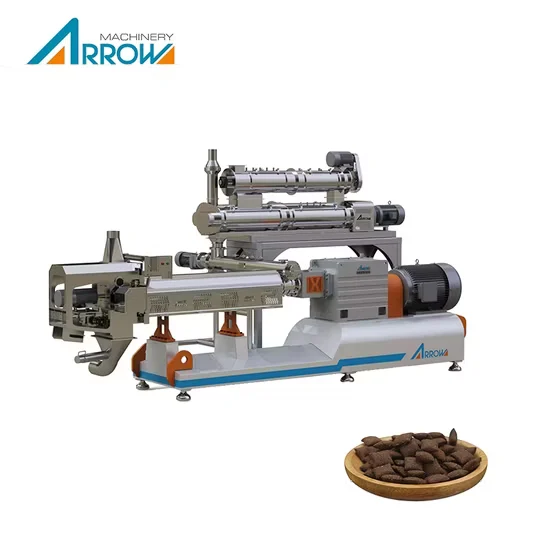
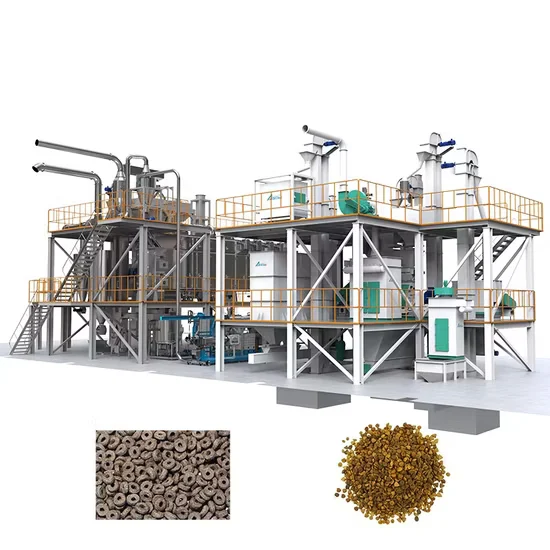
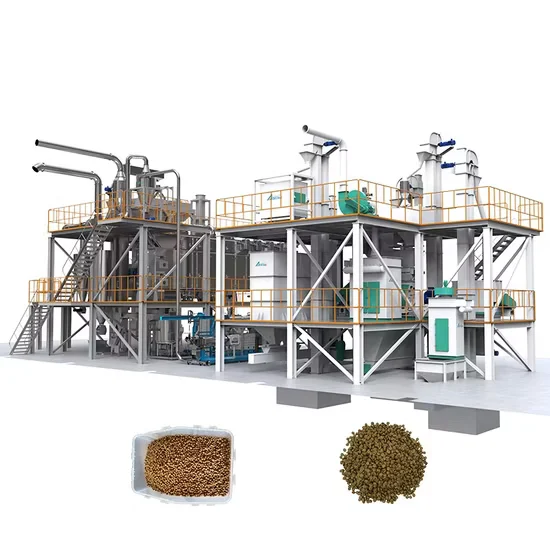
Positioning equipment follows the material flow, starting from raw material handling through to finished product packaging. Secure grinders, mixers, the extruder, dryer, and coater according to the approved layout. Proper leveling and anchoring prevent vibration transfer, which is critical for maintaining alignment in high-speed rotating parts. Misalignment here leads to premature bearing failure and inconsistent product shape.
Integration goes beyond physical placement. Calibrate the interfaces between machines to ensure smooth material transfer. Conveyor speeds must match the output of the upstream unit to prevent bridging or starvation. Electrical interlocks should be tested thoroughly so that if one machine stops, the entire line responds safely without causing blockages or spillage. This coordination is vital for a reliable pet food line installation and maintenance routine.
Commissioning: From Dry Runs to Product Trials
Commissioning begins with dry runs to verify motor rotation, bearing temperatures, and vibration levels. Listen for unusual noises and check for hot spots. Once mechanical integrity is confirmed, introduce raw materials gradually. Start with simple formulations to establish baseline performance before moving to complex recipes with high fresh meat content or specific functional ingredients.
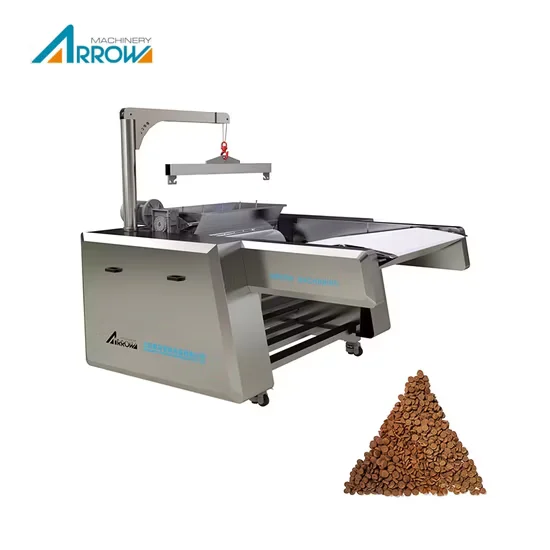
During wet trials, focus on the extruder’s screw configuration and cutting mechanism. Adjust barrel temperatures and feeder speeds to achieve the desired expansion and texture. For aquatic feeds, buoyancy depends on formulation, extrusion conditions, and drying control working together, not just die selection. Simultaneously, tune the Cross-Flow Circulation Dryer’s temperature and airflow profiles. If the dryer cannot keep up with the extruder’s output, moisture levels will remain too high, leading to spoilage risks. Finish by calibrating the Vacuum Coating Machine to ensure even fat and flavor distribution without clumping.
Preventive Maintenance for Core Systems
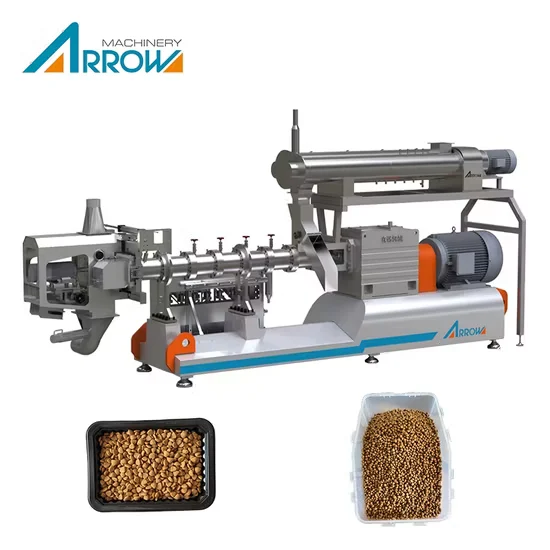
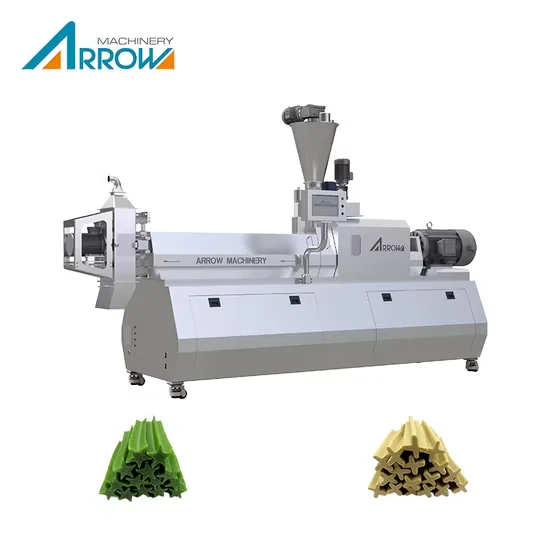
Preventive maintenance extends equipment life and ensures consistent product quality. For the Twin-Screw Extruder, regularly inspect screw elements for wear, especially when processing abrasive ingredients. Clean the barrel thoroughly between batches to prevent cross-contamination and carbon buildup. Lubricate gearbox and bearing points according to the manufacturer’s schedule, using only specified grease types.
The drying system requires equal attention. Clean hot air ducts and filters frequently to maintain thermal efficiency and prevent fire hazards. Calibrate temperature and humidity sensors periodically, as drift in these readings can lead to under-dried or over-dried product. Check seals on doors and dampers for leaks, which waste energy and disrupt airflow patterns. Neglecting these tasks turns the dryer into a bottleneck, forcing the whole line to slow down.
Spare Parts Strategy and Team Training
A smart spare parts strategy minimizes downtime. Identify critical wear items such as cutter blades, die plates, seals, and belts. Keep a safety stock based on their expected consumption rate and lead times for replacements. Waiting weeks for a single seal can halt production entirely. Document usage patterns to refine inventory levels over time.
Operator training is equally crucial. Ensure your team understands not just how to start and stop machines, but why certain parameters matter. Teach them to recognize early signs of trouble, such as changes in motor amperage or unusual sounds. Empower maintenance staff to perform basic troubleshooting and routine checks. When suppliers include detailed training in the contract, take full advantage of it to build internal competence.
Frequently Asked Questions
Q: How long does the typical commissioning process take for a complete pet food extrusion line?
A: Commissioning duration varies based on line complexity and team readiness. Simple lines may take a few days, while integrated plants with multiple stages can require several weeks. Factors include utility verification, mechanical alignment, dry runs, and iterative product trials to meet quality targets. Adequate pre-planning shortens this phase significantly.
Q: What are the most critical daily maintenance tasks for a twin-screw pet food extruder?
A: Daily tasks include checking lubrication levels, inspecting cutter blades for sharpness, and cleaning feed throats to prevent bridging. Monitor motor amperage and barrel temperatures for anomalies. After shutdown, purge remaining material from the barrel to prevent hardening and corrosion. Regular visual inspections of seals and connections help catch leaks early.
Q: How should we handle uneven moisture levels in the final kibble during the drying commissioning phase?
A: Uneven moisture often stems from inconsistent airflow or overloaded dryer capacity. Verify that the dryer’s input matches the extruder’s output. Check for channeling in the dryer bed and ensure uniform product distribution. Adjust temperature zones and airflow rates gradually. Calibrate moisture sensors and validate readings with laboratory tests to ensure accuracy.
Q: Does the supplier provide overseas installation and operator training services?
A: Yes, engineering teams can support overseas installation and commissioning. The specific scope, including team size, duration, and travel arrangements, is defined in the contract. Training covers equipment operation, routine maintenance, and basic troubleshooting. Clarify these details during the quotation phase to ensure alignment with your project timeline and budget.
To avoid costly delays and ensure your plant runs at peak efficiency from day one, discuss your raw material specifications and target capacity with our engineering team. We can provide a customized layout, technical specifications, and support for ingredient trials to validate your process before you commit. Reach out to explore how a coordinated approach to pet food line installation and maintenance can secure your production goals.