Many investors discover too late that overlooked steam routing or incorrect floor drainage slopes force a complete shutdown of their new pet food line installation site preparation efforts. These costly delays often stem from assuming the building is ready before verifying utility compatibility and spatial constraints.
Successful installation depends on precise planning of factory layout, load-bearing capacity, utilities, and logistics flow before equipment arrives. By aligning infrastructure with process requirements early, you avoid retrofitting expenses and ensure your Twin-Screw Extruder and downstream systems operate at designed throughput from day one.
Optimizing Process Flow and Equipment Layout
A logical, unidirectional flow prevents cross-contamination and reduces energy consumption. Start by mapping the journey from raw material intake to finished product packaging. For dry kibble or treat production, this typically involves mixing, extrusion, drying, and coating. Ensure there is no backtracking of materials or personnel. This linear approach simplifies hygiene management and meets food safety standards.
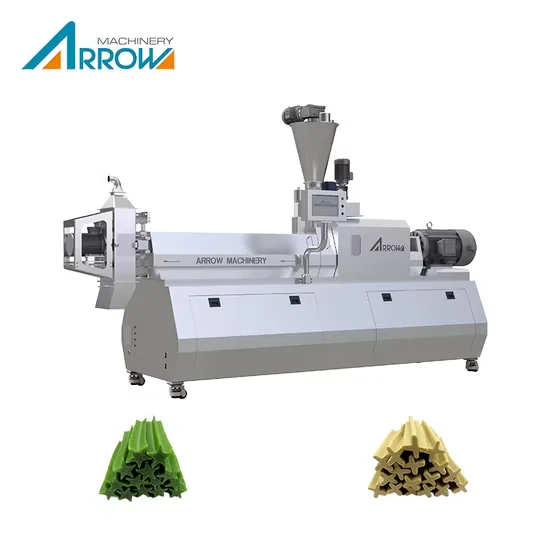
Space allocation is critical for operational efficiency. Core machines like the Twin-Screw Extruder and Cross-Flow Circulation Dryer require ample room for operation, maintenance, and cleaning. Do not squeeze equipment into tight corners. Allow sufficient clearance for technicians to access screw barrels, gearboxes, and dryer fans. Consider vertical space as well. Utilizing height differences can reduce the need for additional elevators, lowering both capital expenditure and long-term energy costs.
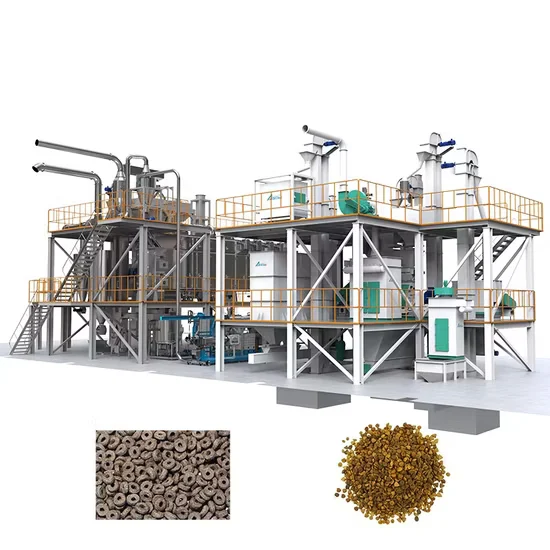
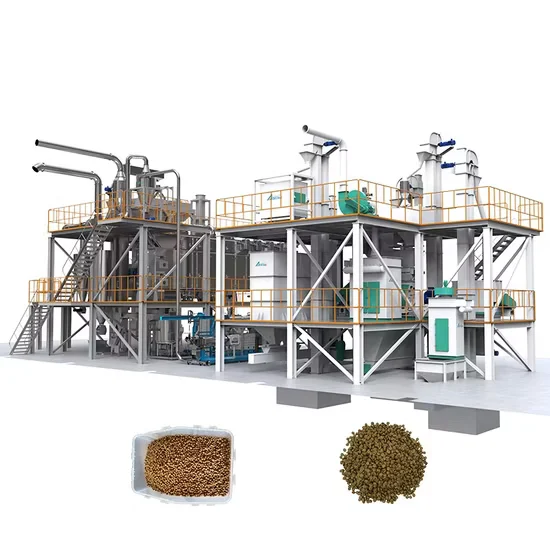
When planning the layout, account for future expansion. Even if you start with a single line, leave space for additional mixers or packaging units. A well-designed pet food factory layout accommodates growth without disrupting existing operations. Consult with engineering teams to balance equipment duty points across the line, ensuring that upstream and downstream capacities match. Mismatched sections create bottlenecks that limit overall plant output.
Upgrading Utilities for High-Capacity Lines
Utilities are the lifeblood of any processing plant. Inadequate power supply is a common failure point. Calculate the total connected load, including startup currents for large motors in extruders and dryers. Ensure your transformer capacity exceeds peak demand to maintain stable voltage. Fluctuations can damage sensitive control systems and affect product consistency. Verify the frequency and voltage specifications match your local grid and machine requirements.
Steam and compressed air are essential for many processes. Extrusion often requires preconditioning with steam to gelatinize starch effectively. Ensure your boiler capacity can deliver consistent pressure and volume. Similarly, vacuum coating systems rely on high-quality compressed air for atomizing fats and flavors. Install proper filtration and drying units to prevent moisture or oil contamination in the air lines.
Water quality and cooling capacity also matter. Cooling water circulates through barrel jackets and cutters to control product temperature. Poor water quality can lead to scaling and reduced heat transfer efficiency. Define the required flow rate and temperature range for your specific process. If local water is hard, consider treatment systems to protect equipment longevity. These details should be clarified during the technical review phase to avoid surprises during commissioning.
Preparing Foundations, Drainage and Ventilation
Heavy machinery demands solid foundations. Large dryers, mixers, and extruders generate significant vibration and static loads. Assess the floor bearing capacity of your facility. Reinforce concrete slabs where necessary to prevent settling or cracking. Use anti-vibration mounts for sensitive components to isolate noise and movement. A stable base ensures precise alignment of screws and dies, which is crucial for product uniformity.
Drainage design is vital for hygiene and safety. Pet food processing involves water, steam, and occasional washdowns. Design floors with adequate slope towards stainless steel trenches to prevent pooling. Standing water promotes bacterial growth and creates slip hazards. Ensure drains are accessible for cleaning and equipped with traps to block odors and pests. This attention to detail supports compliance with food safety regulations and simplifies daily cleaning routines.
Ventilation controls the workshop environment. Extrusion and drying release heat and moisture. Without proper exhaust, humidity levels rise, affecting product texture and shelf life. Install efficient exhaust fans and dehumidification systems to maintain optimal temperature and humidity. Good airflow also improves worker comfort and safety by removing dust and heat from the production area. Balance intake and exhaust to maintain slight positive pressure in clean zones, preventing outside contaminants from entering.
Aligning Upstream and Downstream Interfaces
Integration extends beyond individual machines. Connect raw material handling systems seamlessly to the first processing stage. Plan the interface between silos, pulverizers, and mixers. Ensure dust collection systems are linked to prevent airborne particles from escaping. Proper sealing and negative pressure in these areas protect both product quality and worker health.
Downstream connections are equally important. Leave space for finished product elevators, cooling conveyors, and packaging machines. If you are sourcing packaging equipment from a third party, coordinate signal interlocks and physical dimensions early. This ensures smooth transfer of products without manual handling, which reduces labor costs and contamination risk. A holistic view of the entire line prevents gaps in the process chain.
Consider automation levels during this phase. Decide which parameters need monitoring and control. Integrate sensors for temperature, pressure, and moisture at key points. This data helps optimize performance and troubleshoot issues quickly. When you request a custom quotation, specify your automation preferences so the control system can be configured accordingly. This proactive approach simplifies operation and enhances process repeatability.
Frequently Asked Questions
Q: How much space should be reserved for maintenance around a twin-screw extruder?
A: Allow at least one meter of clear space on all sides for safe access. Focus on areas requiring frequent service, such as the gearbox, barrel sections, and cutter assembly. Adequate clearance enables technicians to perform routine checks and repairs without dismantling surrounding structures. This planning reduces downtime and extends equipment life by ensuring proper maintenance practices are feasible.
Q: What are the standard utility requirements for a complete dry pet food line?
A: Requirements vary by capacity and configuration but generally include stable electrical power, steam for preconditioning, compressed air for pneumatic controls and coating, and cooling water. Specific voltage, frequency, and pressure levels depend on the selected models. Always verify these parameters against your local infrastructure capabilities during the engineering review to ensure compatibility and avoid costly modifications after delivery.
Q: How to design the drainage system for a pet food processing plant?
A: Use epoxy or polyurethane concrete floors sloped at 1-2% towards stainless steel trench drains. Install removable grates for easy cleaning and access. Ensure drains have P-traps to prevent sewer gases from entering the facility. Position drains near wet processes like washing stations and condensate outlets. Regular maintenance schedules should include flushing and sanitizing drains to prevent biofilm buildup and ensure hygiene standards are met.
Q: Can the equipment layout be adjusted if the factory building is already constructed?
A: Yes, layouts can be adapted to existing structures. Engineers assess ceiling height, column positions, and utility entry points to optimize equipment placement. Modular designs allow for flexible configuration within spatial constraints. While ideal conditions are preferred, experienced teams can propose solutions that maximize efficiency in pre-built facilities. Submit your factory dimensions and utility locations for a customized layout proposal that fits your specific site.
Send your raw material formulation, target capacity, and factory dimensions to receive a customized technical specification sheet and plant layout diagram. Discuss your specific process needs with our engineering team to ensure your pet food line installation site preparation aligns perfectly with your production goals.