When a twin-screw extruder suddenly trips, the first data point an operator records often dictates the speed of recovery and the accuracy of subsequent repairs. A vague note like “machine down” in a shift log forces maintenance teams to guess, leading to wasted hours and unnecessary part replacements. Accurate logging is not just administrative work; it is the foundation of efficient troubleshooting and process stability.
A standardized pet food line downtime log captures precise timestamps, fault codes, process parameters, and operator observations at the moment of failure. This detailed record allows engineers to distinguish between mechanical wear, electrical faults, and process deviations caused by raw material variability. By treating downtime data as a critical asset, factories can significantly improve Overall Equipment Effectiveness (OEE) and streamline communication with equipment suppliers for faster support.
Why Standardized Downtime Logging Drives OEE in Pet Food Plants
In high-volume pet food manufacturing, every minute of unplanned stoppage erodes profitability. However, many facilities struggle to identify the root cause of recurring issues because their records lack consistency. Without a structured pet food line downtime log, production managers cannot accurately calculate true availability or performance rates, which are core components of OEE. When logs are incomplete, it becomes impossible to determine if a drop in output is due to mechanical failure, operator error, or ingredient inconsistency.
Standardized logging helps separate mechanical faults from process-related interruptions. For instance, if a dryer frequently triggers high-temperature alarms, a detailed log might reveal that these events correlate with specific batches of high-moisture fresh meat inclusion. This distinction is vital because it shifts the solution from replacing heating elements to adjusting upstream mixing or extrusion parameters. Clear records enable factories to track patterns over time, identifying whether issues are isolated incidents or systemic problems requiring engineering intervention.
Moreover, accurate downtime tracking supports better resource allocation. When maintenance teams have access to precise fault histories, they can prioritize preventive tasks based on actual wear patterns rather than fixed schedules. This proactive approach reduces the likelihood of catastrophic failures during peak production periods. It also facilitates clearer accountability during handovers between shifts, ensuring that unresolved issues are communicated effectively and not lost in verbal briefings.
Critical Data Points for Extruder and Dryer Fault Records
To make a pet food line downtime log useful, it must capture specific technical details beyond simple start and stop times. For extrusion systems, operators should record the screw configuration in use, barrel zone temperatures, main motor amperage, and feeder rates at the time of the fault. If the issue involves product quality, such as poor expansion or irregular kibble shape, notes on die pressure and cutter speed are essential. These parameters provide context for engineers analyzing why the process deviated from the setpoint.
For drying systems, such as a Cross-Flow Circulation Dryer, the log should include inlet and outlet air temperatures, conveyor speed, and moisture content readings of the incoming wet product. Sudden changes in ambient humidity or fuel supply pressure can also impact drying efficiency, so these environmental factors should be noted if relevant. Recording the specific batch ID and raw material lot number helps trace whether the fault stems from a particular ingredient source, which is crucial when dealing with variable inputs like fresh meat or by-products.
| Parameter Category | Extrusion System Data Points | Drying System Data Points |
|---|---|---|
| Operational Settings | Screw speed, feeder rate, die pressure | Conveyor speed, air flow rate, burner status |
| Thermal Data | Barrel zone temperatures, preconditioner temp | Inlet/outlet air temp, product temp at discharge |
| Product Metrics | Kibble shape, expansion ratio, surface texture | Moisture content, color consistency, breakage rate |
| Fault Specifics | Error codes, motor amps, vibration levels | Alarm type, fan status, heat exchanger pressure |
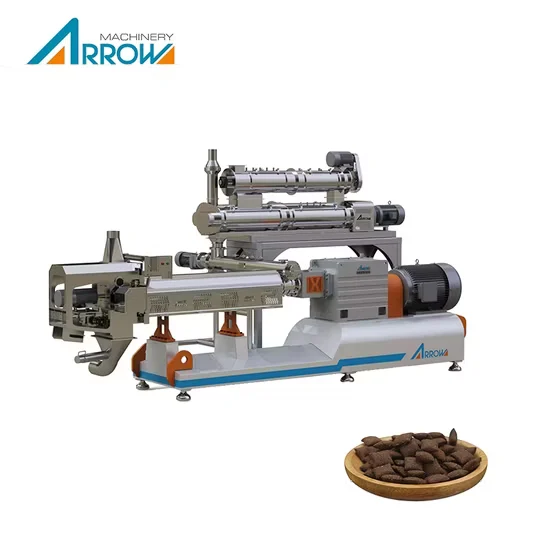
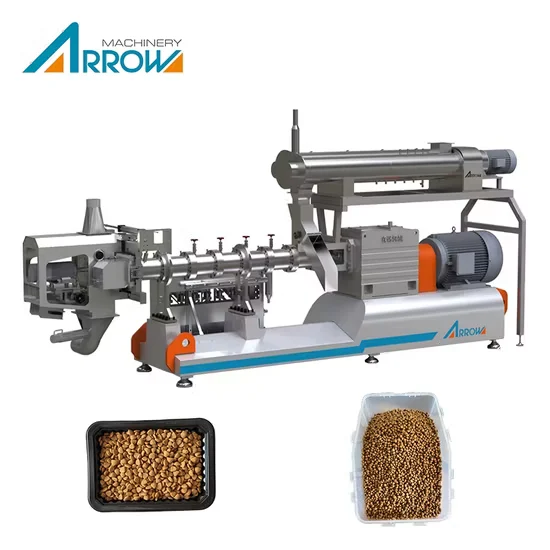
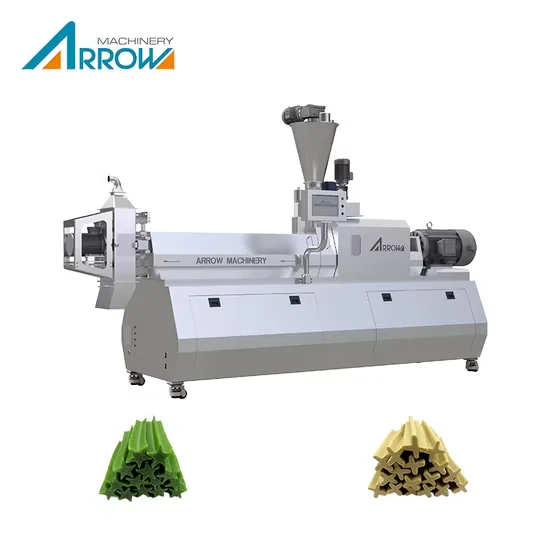
Including these granular details transforms a simple log into a diagnostic tool. When a Twin-Screw Extruder experiences a jam, knowing the exact amperage spike and the last recorded die pressure can help determine if the blockage was caused by overfeeding or a foreign object. Similarly, for a Vacuum Coating Machine, recording vacuum levels and oil temperature during a coating inconsistency incident helps isolate whether the issue lies in the pump performance or the flavoring viscosity.
Standard Operating Procedure for Floor Operators
Implementing a consistent workflow ensures that every operator records data in the same format, reducing ambiguity. The process begins the moment an anomaly is detected. Operators should immediately secure the machine according to safety protocols, then document the exact time of the stoppage. Before attempting any reset or cleanup, they must capture the current state of the control panel, including any active error codes or warning messages. Taking a photo of the HMI screen can serve as a valuable visual supplement to the written log.
Next, operators should perform a preliminary visual inspection without disassembling critical components. They should note any obvious signs of wear, leakage, or material buildup. For example, if a grinder is vibrating excessively, checking for loose bolts or worn hammers before logging the event provides immediate actionable information. This step should be brief to minimize downtime but thorough enough to capture visible clues. All observations must be written in objective terms, avoiding subjective interpretations like “it sounded weird.”
Finally, the operator must complete the log entry before restarting the line or handing over to the next shift. This entry should include the duration of the stoppage, the action taken to resolve the issue, and any parts replaced. If the problem persists or requires specialist attention, the log must clearly flag this for the maintenance team. Integrating this paper or digital log with central control system data creates a comprehensive timeline that links operational actions with machine performance metrics, ensuring a complete traceability chain for every production batch.
Converting Maintenance Logs into Process Improvements
Regular analysis of downtime logs reveals hidden inefficiencies and opportunities for optimization. By aggregating data over weeks or months, plant managers can identify which machines or components fail most frequently. If a specific model of pellet die shows accelerated wear in the log, it may indicate that the current material formulation is more abrasive than anticipated, prompting a review of ingredient ratios or a switch to more durable alloy materials. This data-driven approach prevents reactive firefighting and supports strategic planning.
These insights are also invaluable when collaborating with equipment suppliers. When requesting support for a recurring issue, providing a detailed pet food line downtime log allows engineers to diagnose problems remotely with greater accuracy. Instead of generic advice, suppliers can offer targeted solutions, such as adjusting screw configurations or modifying dryer airflow patterns. This level of collaboration ensures that upgrades or spare parts recommendations are based on actual operating conditions rather than theoretical assumptions.
Furthermore, historical log data supports better training programs for new operators. Real-world examples from past incidents can be used to create case studies that teach staff how to recognize early warning signs and respond correctly. This continuous improvement loop turns routine maintenance records into a knowledge base that enhances overall plant reliability. By treating every fault as a learning opportunity, factories can steadily reduce unplanned downtime and extend the lifespan of critical assets like screw elements and heating systems.
Frequently Asked Questions
Q: What specific information should operators record when a twin-screw extruder jams?
A: Operators should record the exact time of the jam, the main motor amperage at the moment of tripping, the die pressure, and the barrel temperatures. It is also crucial to note the last known feeder rate and any recent changes in raw material composition. Documenting whether the jam occurred during startup, steady state, or shutdown helps identify if the cause is mechanical blockage or process instability.
Q: How does accurate downtime logging help when requesting after-sales support?
A: Detailed logs provide suppliers with the context needed to diagnose issues remotely, reducing the time spent on-site. By sharing specific error codes, parameter trends, and operational history, engineers can pinpoint whether a fault is mechanical, electrical, or process-related. This precision ensures that the correct spare parts and technical expertise are dispatched, avoiding delays caused by misdiagnosis and repeated visits.
Q: Should pet food factories use digital maintenance logs or paper-based sheets?
A: Digital logs are preferred for their ease of analysis and integration with SCADA systems, allowing for real-time monitoring and automated reporting. However, paper sheets can serve as a reliable backup in areas with limited connectivity or for quick initial notes. The key is consistency; whichever method is chosen, it must enforce standardized fields and be accessible to both production and maintenance teams for timely review.
Q: How can maintenance logs help improve the lifespan of critical parts like screw elements?
A: Logs track the operating hours and load conditions of screw elements, revealing patterns of excessive wear or corrosion. By correlating part failure with specific formulations or processing parameters, factories can adjust recipes or operating conditions to reduce stress on the equipment. This data supports proactive replacement schedules, preventing catastrophic failures and extending the service life of expensive components through informed usage practices.
To optimize your production line’s reliability, share your raw material formulation and target capacity with our engineering team. We can provide a customized equipment configuration, layout plan, and detailed maintenance guidelines tailored to your specific process requirements.