Many pet food plants discover too late that stubborn cross-contamination sources were locked in the moment equipment was positioned. The tight gap between an extruder discharge and a dryer often becomes a hidden crevice for moisture and dust, defying even the most rigorous cleaning crews.
Superior pet food production line hygiene depends less on heroic daily scrubbing and more on eliminating physical dead zones during installation. Proper layout geometry dictates sanitation reality, ensuring that maintenance routines are effective rather than fighting against poor design choices from day one.
How Installation Layout Dictates Sanitation Efficiency
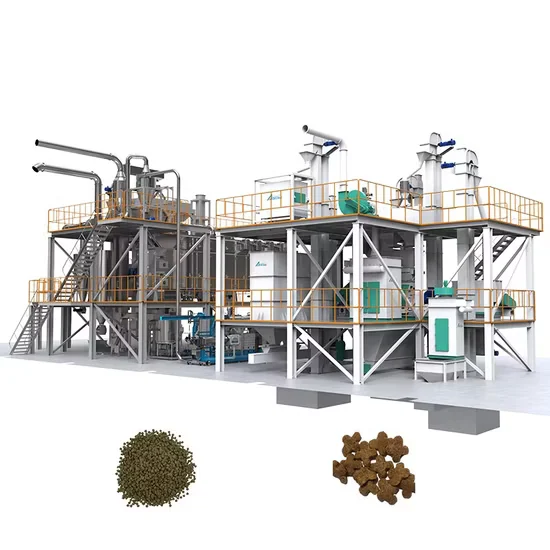
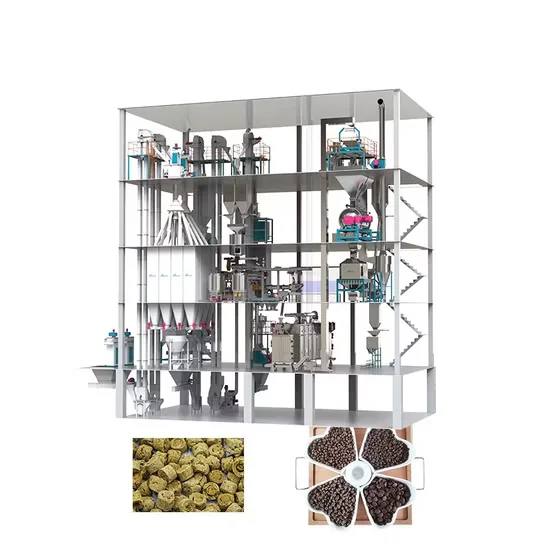
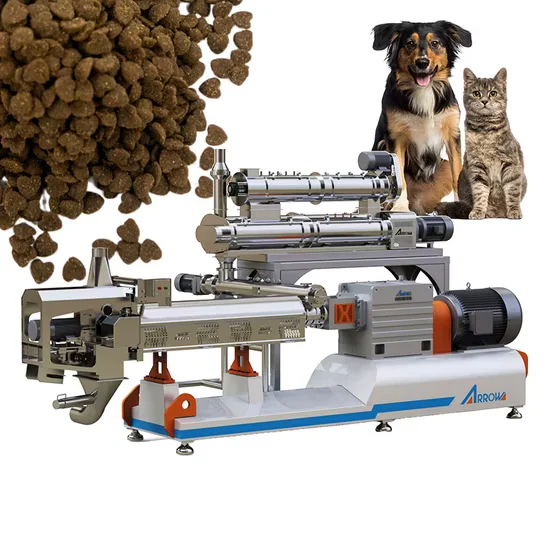
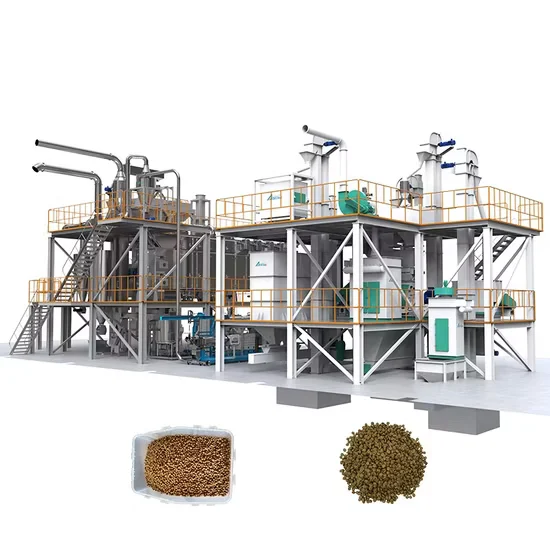
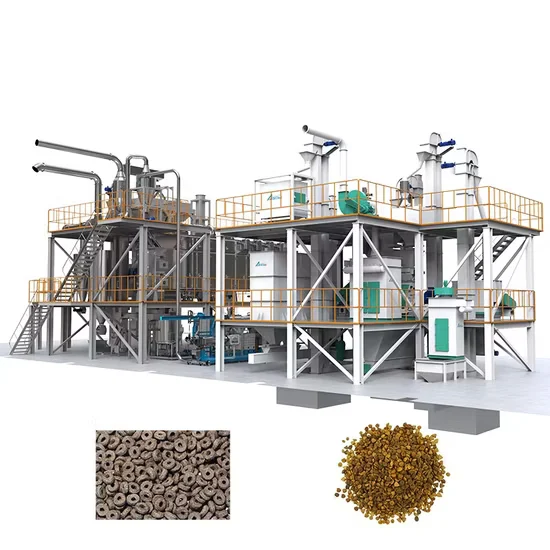
The spatial relationship between machines defines the cleanliness of your facility. When planning a new factory or retrofitting an existing one, the distance between major processing units must accommodate not just material flow, but also human access for washdown. A common mistake is positioning the Twin-Screw Extruder too close to downstream drying or cooling conveyors. This leaves insufficient room for operators to reach behind frames or under belts, creating blind spots where organic residue accumulates and harbors bacteria.
Effective pet food production line hygiene starts with clear walkways and service corridors. Walls should never be used as backstops for heavy machinery unless there is a guaranteed seal and adequate clearance for inspection. Pipes, valves, and electrical conduits must be routed overhead or in dedicated trenches to prevent them from becoming dust traps. If a pipe runs horizontally across a production zone, it collects falling powder; if it runs vertically with proper shielding, it remains cleanable.
Interface points are critical vulnerability zones. The connection between the extruder cutter and the pneumatic conveying system often suffers from misalignment, leading to product spillage. These spills dry into hard cakes that flake off later, causing foreign material complaints. Installing equipment with adjustable mounts allows for precise alignment, minimizing gaps where product can escape. Furthermore, utility connections for steam, water, and compressed air should be accessible without requiring the dismantling of safety guards, ensuring that leaks are spotted and fixed before they create slippery, unsanitary floors.
Equipment Design Features that Support Daily Maintenance
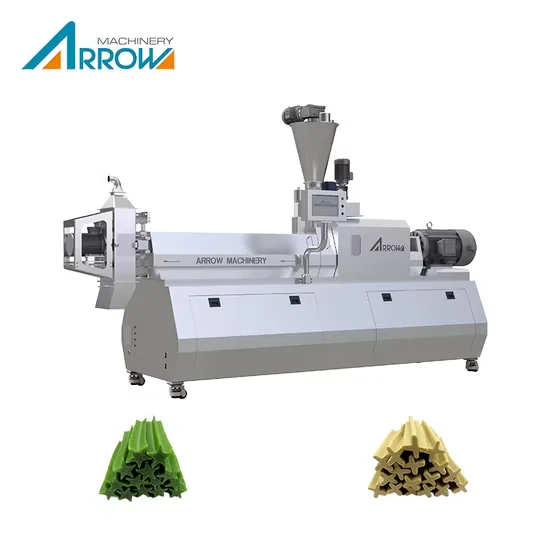
While layout sets the stage, the intrinsic design of each machine determines how easily it can be cleaned. Modern processing equipment must facilitate rapid disassembly and thorough washing. For instance, the barrel sections of a twin-screw extruder should feature quick-release clamps rather than numerous small bolts. This design reduces the time required for deep cleaning during recipe changes, minimizing downtime while ensuring that no old material remains trapped in thread roots.
Downstream, the Vacuum Coating Machine presents unique challenges due to its enclosed nature. High-fat coatings can splatter onto internal walls and sensors. A hygienic design incorporates smooth, polished stainless steel surfaces with minimal weld seams, preventing fat from adhering to rough patches. Internal spray nozzles should be self-cleaning or easily removable for soak cleaning. Without these features, residual oils oxidize and develop rancid odors that taint subsequent batches, compromising product quality and safety.
Drying systems also play a pivotal role in sanitation. The Cross-Flow Circulation Dryer must allow for easy access to heat exchangers and air filters. Dust accumulation in these components not only reduces thermal efficiency but also serves as a nutrient source for mold and pests. Interior surfaces should have adequate drainage slopes to prevent standing water after CIP (Clean-in-Place) cycles. Standing water is a primary vector for microbial growth, so every horizontal surface inside the dryer chamber must be angled toward drain ports.
| Feature | Hygiene Benefit | Maintenance Impact |
|---|---|---|
| Quick-release barrel clamps | Eliminates hidden threads where dough hardens | Reduces disassembly time by 50% |
| Polished internal welds | Prevents fat and protein adhesion | Allows faster wipe-down and inspection |
| Sloped dryer floors | Ensures complete water drainage | Prevents bacterial biofilm formation |
| Accessible filter housings | Enables regular dust removal | Maintains air quality and thermal efficiency |
Building a Structured Hygiene and Sanitation Plan
A robust sanitation plan distinguishes between installation validation and operational maintenance. Before production begins, verify that all welds are ground smooth and that seals are intact. This initial audit prevents future failures. Once running, establish a tiered cleaning schedule. Daily tasks focus on surface cleanup and removing visible debris, while weekly or monthly schedules involve deep disassembly of critical components like screw elements and die plates.
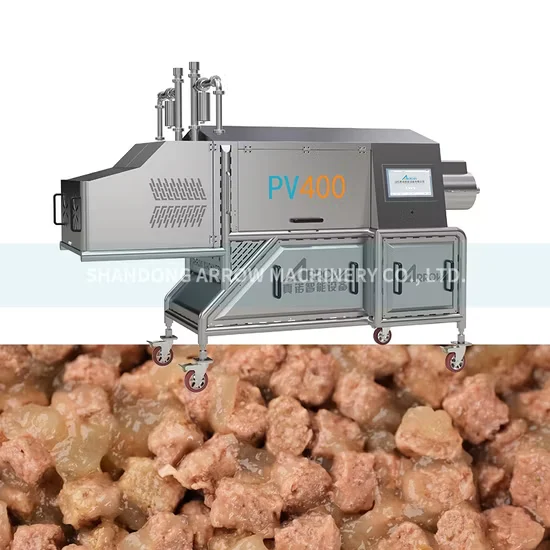
Dry kibble lines and wet food lines require different approaches. Dry lines generate significant dust, which can travel through ventilation systems and settle on unrelated equipment. Effective cross contamination prevention in dry plants relies on negative pressure zones and regular vacuuming of overhead structures. In contrast, wet food lines deal with high-moisture environments where bacteria proliferate rapidly. Here, temperature control during cleaning is vital; hot water and approved sanitizers must be used to break down proteins and fats effectively.
Integrating process consultation into your hygiene strategy ensures that equipment matches your specific formulation needs. For example, if your recipe includes high levels of fresh meat, the extrusion system must handle sticky materials without buildup. Suppliers who offer raw-material trials can help identify potential sticking points before you commit to a purchase, allowing for configuration adjustments that support easier cleaning. This proactive approach aligns equipment capabilities with your sanitation goals.
Common Hygiene Pitfalls in Pet Food Plants
One frequent oversight is neglecting the transition points between machines. The chute from the mixer to the extruder feeder often accumulates static-charged fines. If not designed with smooth transitions and anti-static materials, this buildup becomes a recurring source of contamination. Regular inspection of these transfer points should be part of the standard operating procedure, not an afterthought.
Another pitfall is inadequate management of exhaust and dust collection systems. Filters that are not changed or cleaned regularly become saturated with organic dust, creating a fire hazard and a source of airborne contaminants. When the system pulses or fails, this concentrated dust can fall back into the product stream. Ensuring that dust collectors are located outside the main production area or are equipped with proper containment measures is essential for maintaining pet food production line hygiene.
Finally, ignoring the human factor leads to failure. Even the best-designed line will fail if operators are not trained on proper disassembly and reassembly techniques. Training programs should emphasize the why behind each step, helping staff understand how a missed gasket or a loosely tightened clamp can compromise the entire batch. Consistent training reinforces the culture of hygiene, making it a shared responsibility rather than just a checklist item.
Frequently Asked Questions
Q: How often should a twin-screw extruder be disassembled for deep cleaning?
A: Frequency depends on your recipe complexity and production schedule. For single-formula runs, a full teardown might occur weekly. However, if you switch between formulas with different allergens or high-fat content, disassembly should happen after each changeover. Always follow your specific sanitation SOPs to ensure no residue remains in the screw flights or barrel liners.
Q: What installation mistakes commonly lead to cross-contamination in pet food lines?
A: The most common error is placing equipment too close together, leaving no room for cleaning access. Other mistakes include using porous materials for flooring, installing pipes with low points that trap liquid, and failing to seal wall penetrations properly. These issues create hidden reservoirs for bacteria and pests that are difficult to detect and eliminate during routine cleaning.
Q: How does the design of a vacuum coating machine facilitate better hygiene?
A: Hygienic vacuum coaters feature smooth, polished interiors with minimal crevices where fat can accumulate. They often include automated CIP systems that circulate cleaning solutions through the drum and nozzles. Easy-access panels allow manual inspection of spray bars and sensors, ensuring that no old coating residue hardens and flakes off into future batches, maintaining product integrity.
Q: What is the difference between cleaning protocols for dry kibble and wet food lines?
A: Dry kibble lines focus on dust control and preventing dry buildup, often using vacuuming and dry brushing followed by damp wiping. Wet food lines require aggressive washing with hot water and detergents to dissolve proteins and fats. Sterilization is more critical in wet lines due to higher microbial risks, necessitating stricter temperature controls and longer contact times for sanitizers during the cleaning cycle.
Send your product formula and capacity requirements to receive a custom production line proposal that integrates sanitary layout planning from the start. Discuss your raw material characteristics with our engineering team to ensure your equipment configuration supports efficient cleaning and consistent quality.