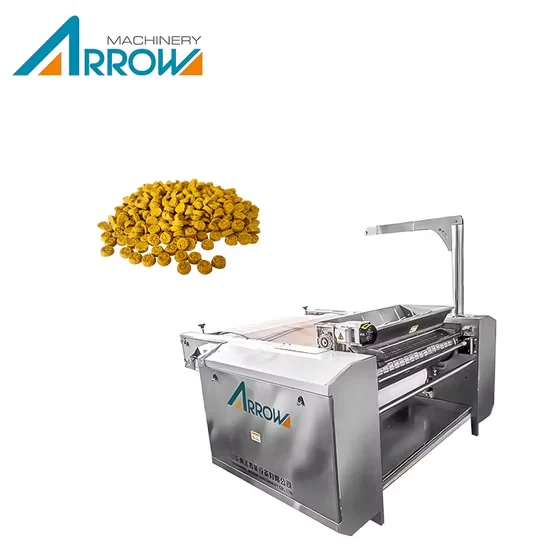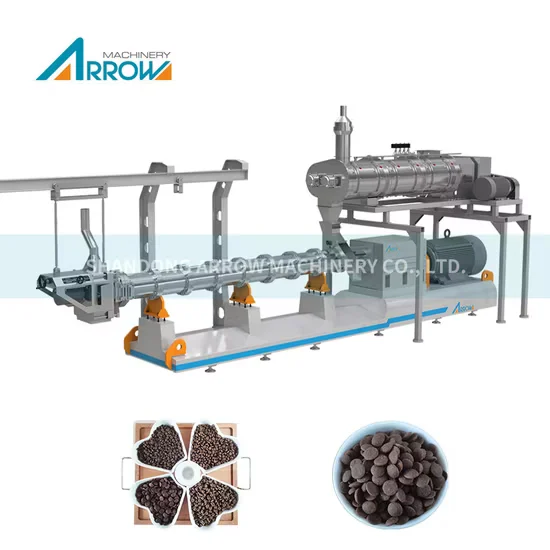
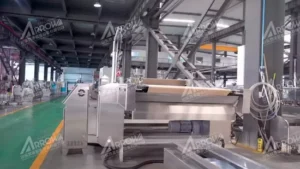
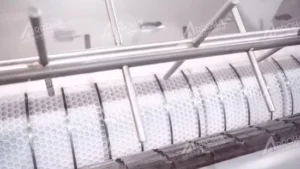

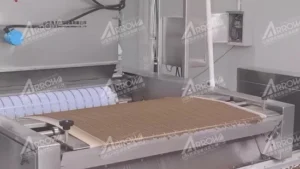
How the Cold Extrusion Equipment for Pet Treats Manufacturing Works in Your Line
Process trials define success — Verify screw configuration against your specific high-meat formulation before finalizing equipment selection.
Technical Specifications
| Parameter | Value |
|---|---|
| Product | LY Low-Temperature Cold Extruder (Pet Treats) |
| Brand | Arrow |
| Installed Power | 75kw |
| Voltage | 380V/50Hz Three Phase or Customization |
| Control System | PLC |
| Main Motor | Siemens China |
| Contact Material | Stainless Steel |
| Heating Method | Electricity/Steam/Gas/Diesel |
| Automatic | Full Automatic |
Application Suitability
| Product / Industry | Typical Use |
|---|---|
| Pet Treat Manufacturers | Producing dog chews, jerky-style snacks, and pressed treats requiring precise shape retention without high-temperature puffing. |
| Private-Label Processors | Reliable standalone equipment for specialty snack lines with high meat inclusion rates where nutrient preservation is critical. |
| Specialty Pet Food Plants | Forming products that demand minimal thermal damage to ingredients while maintaining structural integrity during cooling. |
Why High-Meat Formulations Fail in Standard Extruders
Precise shear control prevents barrel jamming and shape distortion in cold extrusion processes.
Many processors discover too late that standard single-screw setups cannot handle fresh meat ratios above certain thresholds. When temperature drops to protect heat-sensitive proteins, the material viscosity spikes, causing constant barrel jams. Pushing through often results in misshapen treats with ugly tails, forcing hours of downtime for screw cleaning. This operational nightmare stems from inadequate shear management and poor temperature profiling during the forming stage.
Integration within the Pet Treat Production Flow
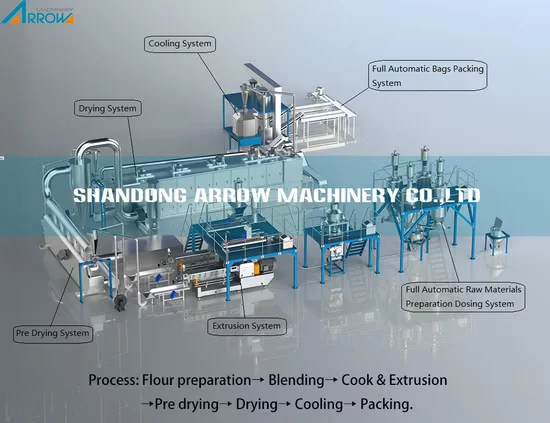
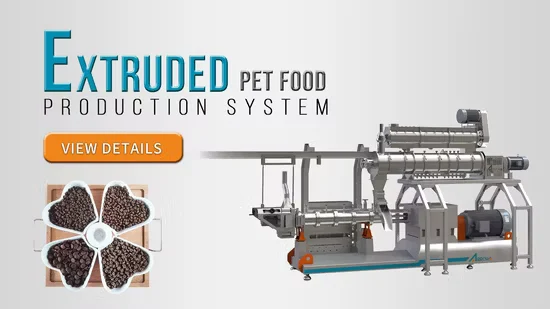
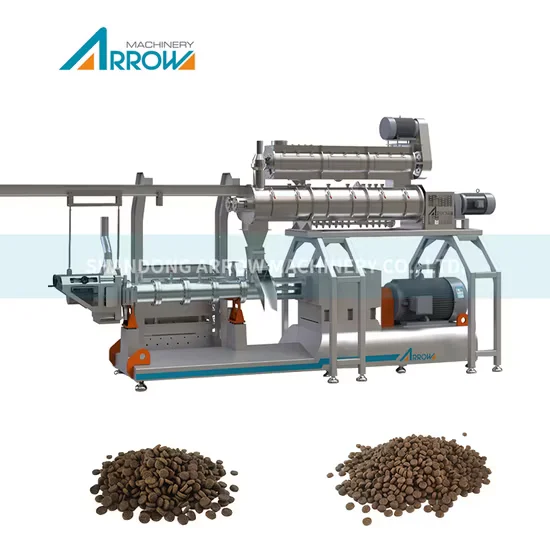
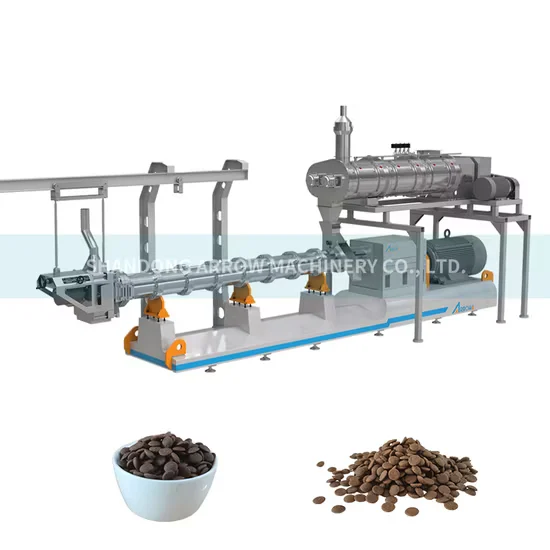
The LY low-temperature cold extruder sits centrally in the snack manufacturing line, receiving pre-mixed dough from upstream ribbon or paddle mixers. It forms the raw material into specific shapes under controlled pressure and low heat, preserving texture. Downstream, the formed treats move directly to drying systems where moisture is reduced gradually to achieve the desired chewiness. This sequence ensures that the structural integrity established during cold extrusion is maintained throughout the drying phase.
Operational Challenges in Cold Extrusion
Raw material consistency varies significantly between batches, especially when using fresh meat with fluctuating fat content. High moisture levels increase the risk of slippage inside the barrel if the screw flight depth is not optimized for grip. Maintaining uniform particle shape requires balancing feed rate with motor torque to avoid surging. Inadequate cooling after forming can lead to product deformation before the structure sets firmly. Cleaning cycles must be efficient to prevent residue buildup that affects subsequent batch hygiene.
Core Specification Insights
The Siemens China main motor provides the consistent torque needed to push dense, high-meat doughs through the die without stalling. PLC control allows operators to monitor and adjust process parameters in real time, ensuring repeatability across shifts. Stainless steel contact parts meet strict hygiene standards and resist corrosion from salty or acidic treat formulations. Flexible heating options, including electricity, steam, gas, or diesel, enable integration into factories with diverse utility infrastructures. This adaptability reduces dependency on a single energy source, enhancing operational resilience.
Hidden Costs of Poor Equipment Selection
Choosing an extruder without verifying its capability for your specific recipe leads to frequent production stops and wasted raw materials. Inconsistent product shapes result in higher rejection rates during quality control, eroding profit margins. Lack of spare parts availability for critical components like motors or controllers extends downtime unexpectedly. Retrofitting an undersized machine later requires significant capital investment and production disruption. Proper initial selection avoids these costly operational inefficiencies.
Why Source This Equipment from Arrow
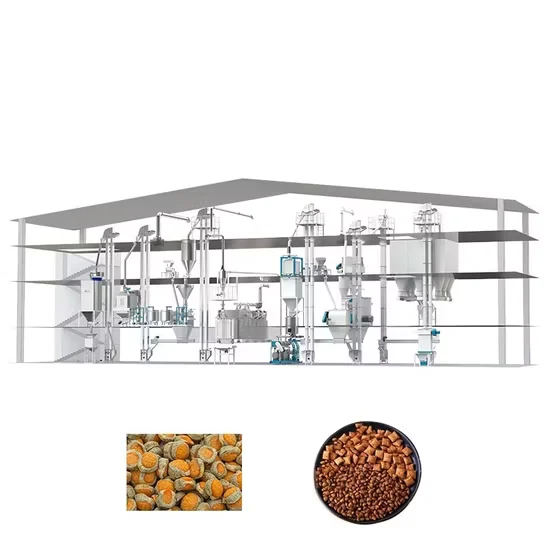
Arrow provides manufacturer-oriented supply of complete extrusion lines and individual processing machines, ensuring compatibility across your facility. Integrated process coverage from ingredient preparation to forming means the LY extruder is designed to work seamlessly with upstream mixers and downstream dryers. Application-based machine selection uses your specific ingredients and product specifications to configure the optimal screw profile. Raw-material trials and testing support help validate performance before commitment, reducing technical risk. Export project coordination includes factory acceptance testing and overseas commissioning options defined contractually.
Documentation & Delivery
- Detailed technical specifications outlining model capabilities and utility requirements.
- Layout drawings for integrating the extruder into existing or new production lines.
- Comprehensive operation manuals covering PLC interface and safety procedures.
- Factory acceptance test records verifying mechanical and electrical performance.
- Export documentation including commercial invoices and packing lists per contract.
- Protective export packaging suitable for ocean freight and long-distance transport.
Installation, Operation & Maintenance
- Ensure foundation meets load requirements for the 75kw installed power unit.
- Connect power supply matching the customized voltage and frequency specifications.
- Conduct initial trial runs with actual raw materials to calibrate PLC settings.
- Perform daily cleaning of stainless steel contact parts to maintain hygiene standards.
- Replace wear parts on schedule to prevent unexpected breakdowns during production.
- Adjust die plates and cutter speeds when switching between different treat shapes.
Requesting a Configuration Quote
Provide details on your target pet treat type, raw material formulation including fresh meat percentage, and required output capacity. Specify product shape, dimensions, and moisture targets along with your factory’s available power voltage and heating fuel source. Include destination country and any specific certification needs for customs clearance. You will receive a preliminary configuration, layout proposal, and formal quotation based on these parameters. Trial arrangements can be discussed to validate the equipment against your specific recipe.
Frequently Asked Questions
Q: What types of pet treats can be produced with the LY cold extruder?
A: This machine is ideal for producing dog chews, jerky-style snacks, and pressed treats that require precise shape retention. It handles high-meat formulations without high-temperature puffing, preserving nutritional value and texture. The cold extrusion process is particularly suited for heat-sensitive ingredients that degrade under traditional thermal conditions.
Q: Can the heating method be customized to my factory’s existing fuel source?
A: Yes, the LY model supports multiple heating options including electricity, steam, gas, and diesel. This flexibility allows integration into facilities with diverse utility infrastructures. Confirm your available fuel source during the inquiry so the engineering team can configure the appropriate heating system for your plant.
Q: What is the lead time for the LY model if not in stock?
A: Lead times depend on current production availability and the specific configuration requested. A formal quotation will provide accurate delivery schedules based on the agreed scope and destination. Standard models may have shorter wait times, while customized setups require additional manufacturing and testing periods.
Q: Do you provide recipe trials for new treat formulations before purchase?
A: Raw-material trials and testing support are available to assess how your specific formulation behaves in the extruder. This process helps verify screw configuration suitability and product quality before finalizing the order. Trial availability and associated costs must be confirmed through direct quotation and technical review.
Q: Is overseas installation and training included in the quotation?
A: Overseas engineering and commissioning options are available but are contract-specific. The precise team composition, schedule, travel costs, and scope of work are defined in the sales agreement. Clarify your requirements for installation and operator training during the technical discussion phase.