


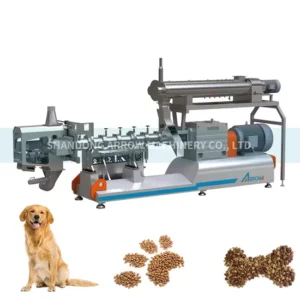


Process & Design
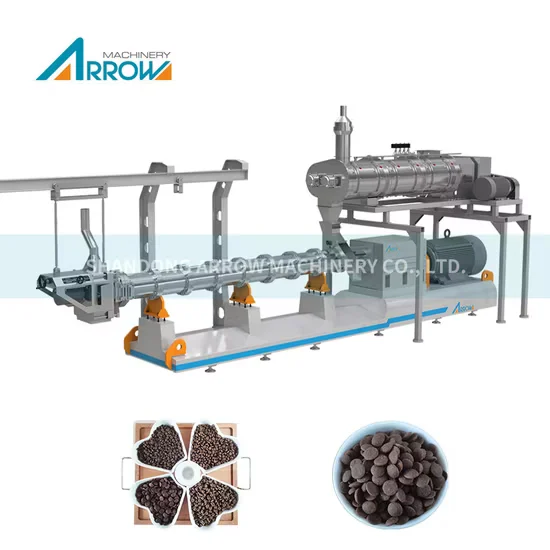
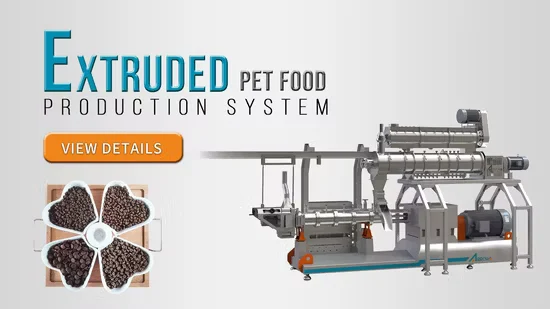
How High Protein Dog Food Production Line for Pet Food works in your plant
Match raw materials to screw configuration — Lab formulas often fail at scale without thermal profile adjustments for high-moisture doughs.
Technical Specifications
| Parameter | Value |
|---|---|
| Product | AYT Series Twin-Screw Extruder for Textured Soybean Protein and Pet Food |
| Model | AYT50; AYT78; AYT98; AYT105; AYT120; AYT135 |
| Production Capacity | 500-6000kg/H |
| Power Source | Electric |
| Voltage | 380V |
| Contact Material | 304 Stainless Steel |
| Raw Material | Low Temperature Soya Meal, Protein Isolate and Oth |
| Process | Thermal Processing |
| Automatic Grade | Automatic |
| Application | Dog, Fish, Cat |
| Feed Type | Pet Food |
| Product Name | Textured Soybean Protein, Vegetarian Meat and Othe |
| Usage | Soybean Product Making |
| Function | Multifunction |
| After-Sales Service Provided | Engineers Available to Service Machinery Overseas |
| Transport Package | General Packing for Animal Feed Machine |
| Origin | Shangdong, China |
| HS Code | 8438800000 |
Application Suitability
| Product / Industry | Typical Use |
|---|---|
| Dry Pet Food Manufacturing | High-protein kibble for dogs and cats requiring consistent density and shape retention |
| Aquafeed Production | Floating or sinking fish feed where buoyancy control depends on precise thermal processing |
| Plant-Based Protein Processing | Textured soybean protein and vegetarian meat structures from low temperature soya meal |
| Private-Label Contract Processing | Flexible production lines handling multiple formulations for treats and specialty feeds |
Why Kibble Size Drifts After Two Hours of Running
Consistent texture requires matching screw geometry to specific protein isolate behaviors.
Many processors assume a lab-scale success guarantees smooth full-scale production. This is rarely true. When pushing high fresh meat ratios or specific protein isolates through an extruder not tuned for high-moisture doughs, the material can choke. Pellets emerge with irregular tails, or the batch suffers from uneven expansion. The issue often lies in mismatched thermal profiles rather than the recipe itself. Without proper equipment configuration, even minor fluctuations in raw material moisture lead to significant product rejection rates.
Integration in Your Processing Flow
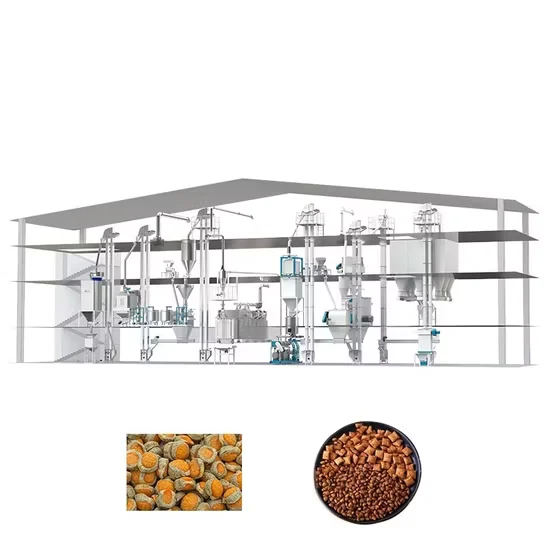
This Twin-Screw Extruder for Textured Soy Protein and Pet Food serves as the core forming unit in your line. It receives preconditioned and mixed ingredients from upstream grinding and mixing systems. The extrusion process gelatinizes starches and denatures proteins under controlled heat and pressure. Downstream, the formed product moves directly to drying systems to stabilize moisture content before coating or packaging. Proper synchronization with these adjacent units ensures steady throughput and prevents bottlenecks.
Navigating Production Challenges
Raw material variability poses the greatest risk to continuous operation. High-fat content or inconsistent protein isolate quality can alter viscosity inside the barrel. If the screw configuration does not accommodate these changes, you face unstable pressure and poor pellet definition. Moisture control is equally critical; too much water leads to soggy kibble, while too little causes excessive wear and brittle products. Frequent changeovers between different shapes or formulas require efficient cleaning protocols to prevent cross-contamination and downtime.
Understanding Core Specifications
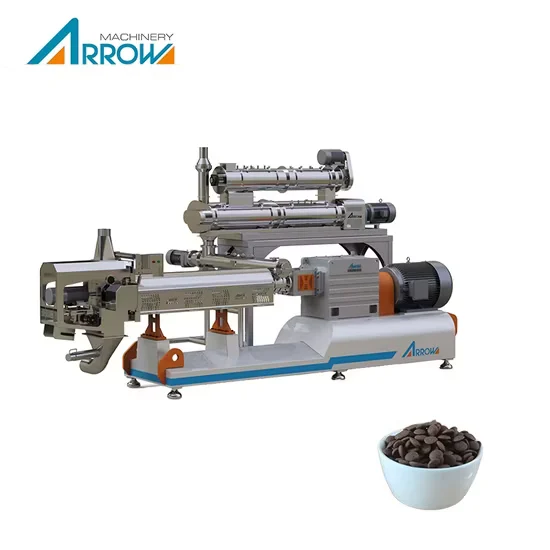
The AYT series utilizes 304 stainless steel contact parts, ensuring hygiene and resistance to corrosion during thermal processing. Models range from AYT50 to AYT135, offering capacities from 500 to 6000 kg/h to suit various production scales. The electric power source operates at 380V, providing stable energy delivery for automatic operation. This design supports multifunctional use, handling both pet food formulations and textured vegetable protein production. The twin-screw mechanism allows for precise control over shear and residence time, which is vital for achieving desired product textures.
Hidden Costs of Poor Selection
Choosing an extruder based solely on nominal capacity often leads to hidden operational expenses. An undersized machine runs at maximum load constantly, accelerating wear on screws and barrels. Conversely, an oversized unit operates inefficiently at low loads, wasting energy and causing inconsistent cooking. Mismatched downstream drying capacity forces you to slow down extrusion, creating a bottleneck that limits overall plant output. These inefficiencies result in higher maintenance costs and increased scrap rates, eroding profit margins over time.
Why Source This Equipment From Us
We approach equipment selection by analyzing your specific raw materials and target product characteristics first. Our engineering team evaluates ingredient behavior to recommend the optimal screw configuration and thermal profile. We support both standalone machine purchases and integrated line projects, ensuring all components work in harmony. Raw material trials are available to validate performance before finalizing specifications, reducing implementation risk. Our overseas commissioning services provide hands-on training and troubleshooting to ensure your team operates the system confidently from day one.
Documentation & Delivery
- Detailed technical specifications sheet listing model parameters and electrical requirements
- General export packing suitable for ocean freight and long-distance transport
- Operation and maintenance manuals for daily care and troubleshooting guidance
- Factory acceptance test records verifying performance against agreed standards
- Commercial invoice and packing list prepared according to destination customs rules
- Certificate files provided as per contract terms and applicable regulatory needs
Installation, Operation & Maintenance
- Ensure factory floor meets load-bearing requirements for the selected AYT model weight
- Connect 380V electric power supply with appropriate safety breakers and grounding
- Conduct initial trial runs with actual raw materials to fine-tune feeding rates
- Clean 304 stainless steel contact surfaces thoroughly after each production shift
- Inspect screw elements and barrel liners regularly for signs of abrasive wear
- Adjust die plates and cutter speeds when switching between different product shapes
Requesting a Configuration Quote
To receive an accurate proposal, specify your target product type, such as dry dog kibble or textured soy protein. Provide details on raw material composition, including any fresh meat or protein isolate percentages. Define your required hourly capacity and desired final product dimensions. Share your factory dimensions, available voltage, and heat source options. We will respond with a preliminary equipment configuration, layout suggestions, and a formal quotation for your review.
Frequently Asked Questions
Q: Which AYT model capacity fits my target output?
A: The AYT series covers 500 to 6000 kg/h across models AYT50 to AYT135. Select a model that matches your peak production demand while allowing some buffer for maintenance. We help balance this with your downstream drying and coating capacities to ensure a smooth workflow.
Q: Can this extruder handle high fresh meat formulations?
A: Yes, but high moisture inputs require specific screw configurations and thermal profiles. Standard settings may cause choking or irregular shaping. We recommend raw material trials to adjust the process parameters for your specific formula before finalizing the machine setup.
Q: What distinguishes pet food from soy protein production here?
A: While the hardware is similar, the process parameters differ significantly. Pet food focuses on starch gelatinization and kibble expansion, whereas soy protein texturization relies on specific shear forces to create fibrous structures. We adjust the screw elements and temperature zones accordingly for each application.
Q: How is overseas installation service arranged?
A: Engineers are available to service machinery overseas as part of the after-sales support. The specific scope, including travel costs, duration, and training depth, is defined in your contract. We coordinate closely with your local team to ensure efficient commissioning and operator handover.
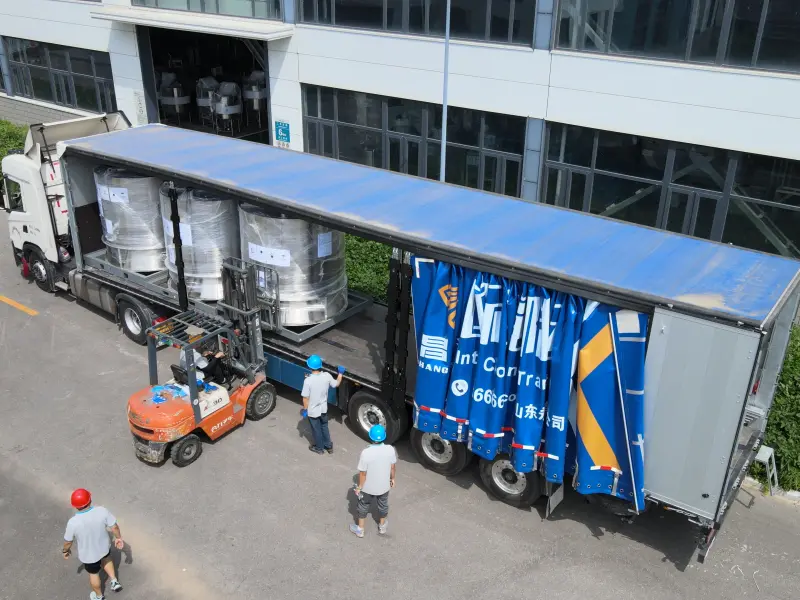
Shipping
Container sea freight or rail · spare parts by air
Delivery & Support
From factory acceptance to stable production
Every Shandong Arrow Machinery machine ships with full documentation, on-site commissioning support and a spare-parts channel tied to its serial number, so your line keeps running after start-up.
-
Shipping documents
Equipment specification, configuration list, drawings where applicable, operation manual, packing list, commercial invoice and export documents.
-
Testing & inspection
Factory test records, videos, inspection reports and material declarations, by product type and contract.
-
Installation & training
Installation, commissioning, operator training and maintenance guidance, with the scope set in your contract.
-
Spare parts
Screws, extrusion dies, gearboxes and wear parts, supplied against your machine's serial number or model.
Same Category
Related pet food machines
These machines and lines sit in the same process family, so you can build a complete line or add a single stage with them.

Pet Chewing & Jam Center Filled Snacks Food Process Line
View details
CE Certified Cold Press Pet Food Plant 200kg/H
View details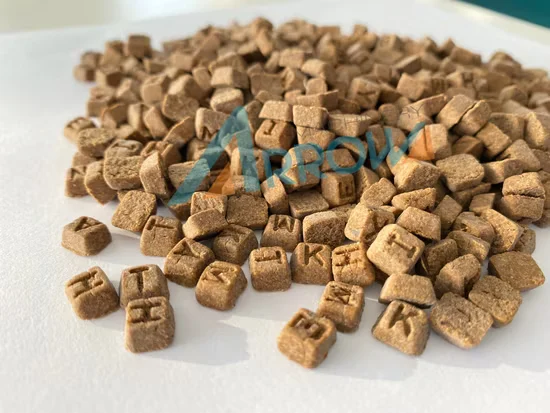
Cold Press Pet Food Production Line for Nutrient-Dense Animal Food
View details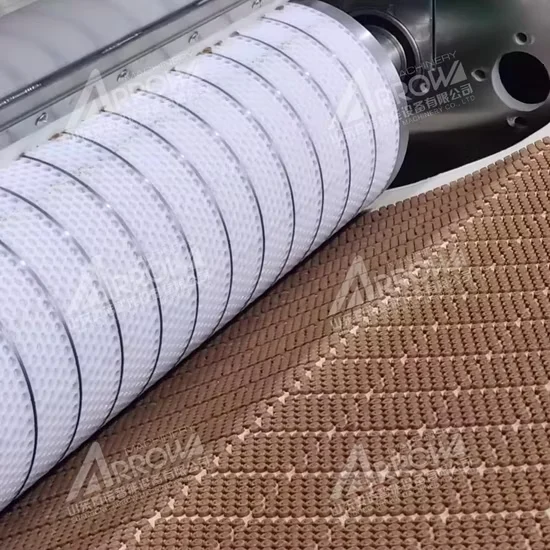
Cold Press Dog Food Production Line for Pet Food Plant
View details
Not sure this configuration fits your formula?
Tell us your target product, raw materials and output in kg/h. Our engineers confirm the process first, then recommend the extrusion and drying setup.
Applications
Pet products this machine is built for
This equipment is configured for the pet product types below. Open an application to see the full process route and matching machines.

Engineering Notes
Selection guides & technical articles
Read how process engineers choose extrusion, drying and coating setups for pet food before they commit to a configuration.
3 Key Differences in Equipment for Steam-Baked vs Extruded Kibble
Read article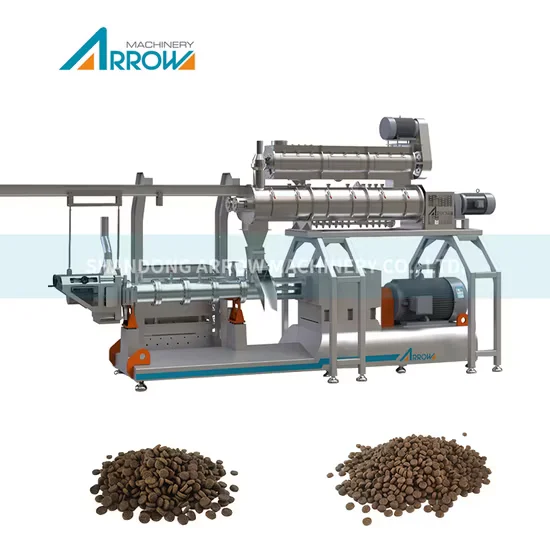
Baked vs Extruded Dog Biscuit Processing Guide for Brands
Read article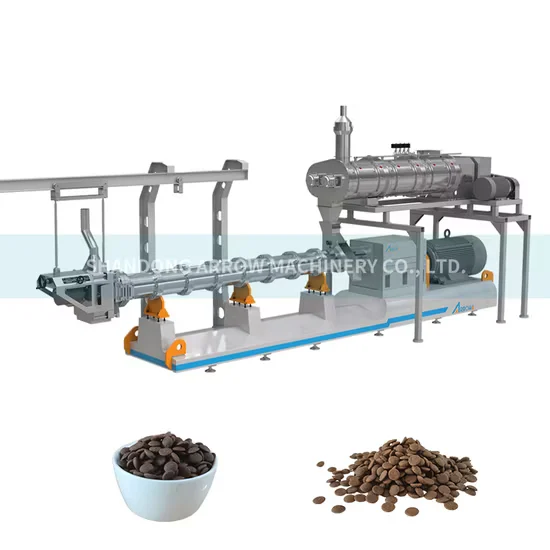
Extruded vs Baked Kibble Lines and How to Choose the Right One
Read articleFAQ
Questions buyers ask about this machine
Short answers on trials, lead time, documents and spare parts from Shandong Arrow Machinery, a pet food machinery manufacturer in Jinan, China.
Can I test my formula before I order?
Yes. Where conditions allow, we arrange formula and process trials on our process test platform, and you can send your own raw material for testing. Agreed raw-material tests are completed before production or shipment.
What is the lead time?
The lead time is stated in your formal quotation, based on the confirmed model, configuration and scope of supply. Machines ship by container sea freight or rail, and spare parts can go by air.
Which documents come with the machine?
You receive the final equipment specification, configuration list, equipment drawings where applicable, operation manual, packing list, commercial invoice and export or shipping documents. Factory test records, videos, inspection reports and material declarations are provided according to product type and contract.
How do I get spare parts after commissioning?
Send us your machine's serial number or model and we match the right parts. We supply screws, extrusion dies, gearboxes and wear parts, along with process consultation and service.
More answers on our pet food machinery FAQ page.
Request a quote for High Protein Dog Food Production Line for Pet Food
Share your target product and output. You receive a technical proposal with model, scope of supply and options.
- WhatsApp +86 137 9316 7756
- Email info@arrowextrusion.com
- No. 47 Chengbohu Road, Jibei Subdistrict, Jiyang District, Jinan, Shandong, China