



Process & Design
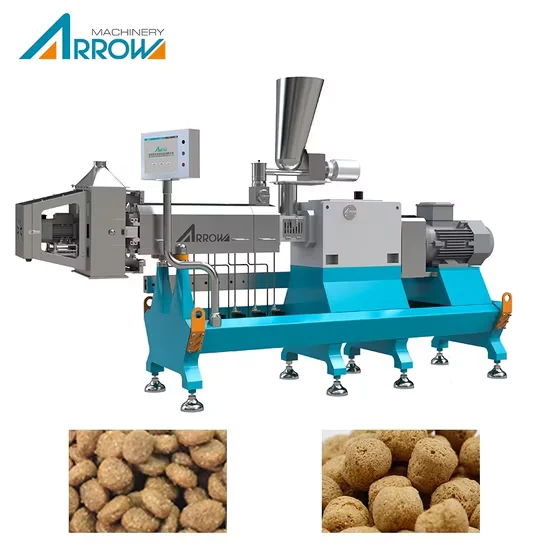
How Laboratory Twin-Screw Extruder Machine for Cat Food works in your plant
Recipe validation before scale-up — Test precise screw configurations and thermal profiles on a 100-200kg/h platform to guarantee formula performance.
Technical Specifications
| Parameter | Value |
|---|---|
| Product | AYT Laboratory Twin Screw Extruder for Cat Food |
| Model | AYT |
| Output | 100kg/H-200kg/H |
| Power Source | Electric |
| Voltage | 380V |
| Frequency Converter | Siemens |
| Contact Material | 304 Stainless Steel |
| Heating Temperature | Adjustable |
| Raw Materials | Fish Powder, Born Meal, Corn, Soyabeen |
| Process | Thermal Processing |
| Automatic Grade | Automatic |
| Standards | CE&ISO |
Application Suitability
| Product / Industry | Typical Use |
|---|---|
| Dry Pet Food & Treats | Laboratory-scale production of cat food kibble and treats using fish powder and corn |
| R&D Centers | Validating new pet food recipes and formulation behavior before scaling up |
| Specialty Feed Producers | Small-batch experimental feeds for ornamental pets or laboratory animals |
| Contract Manufacturers | Testing client-specific formulations to determine optimal screw configuration |
Why Lab Recipes Fail on Full-Scale Lines
Precise simulation prevents costly production errors. Many formulators face a frustrating reality: a recipe that performs perfectly in the lab fails completely during industrial production. Basic single-screw setups often struggle when fresh meat ratios increase, leading to uneven pellets with messy tails or total forming failure. This mismatch wastes tons of raw materials and delays time-to-market. Without exact simulation of shear and temperature profiles, scaling up remains a gamble rather than an engineered process.
Where This Extruder Fits in Your Process
The AYT Laboratory Twin Screw Extruder serves as the critical bridge between ingredient selection and full-line commitment. It sits upstream of your industrial drying and coating systems, allowing you to generate reliable data on gelatinization and texture. By validating the behavior of complex formulas here, you ensure that downstream equipment like cross-flow dryers and vacuum coaters receive consistent input. This machine enables precise adjustment of thermal processing parameters before you finalize your main production line configuration.
Navigating Production Challenges
Raw material variability poses significant risks to product consistency. Formulations with high moisture content or specific protein sources like bone meal require careful thermal management to achieve proper expansion. Inconsistent particle dimensions often stem from mismatched screw configurations or inadequate cutting control during the extrusion phase. Furthermore, maintaining stable buoyancy and density for aquatic feeds demands precise pressure and temperature regulation throughout the barrel. Switching between different product shapes also requires flexible equipment that can adapt quickly without extensive downtime.
Core Specification Insights
The Siemens frequency converter provides precise control over speed and torque, which is essential for replicating industrial shear conditions in a lab setting. Adjustable heating temperatures allow operators to optimize starch gelatinization for various raw materials, ensuring the right texture for cat kibble or treats. Constructed with 304 stainless steel contact parts, the unit meets hygiene standards required for food-grade applications while resisting corrosion from saline or acidic ingredients. The automatic operation mode ensures that thermal processing data remains consistent across multiple trials, providing reliable benchmarks for scale-up.
The Hidden Costs of Poor Selection
Choosing equipment without adequate testing capabilities leads to significant隐性 costs. If the initial extrusion trial fails to match lab results, entire batches may require reprocessing or disposal due to poor formation. Inadequate capacity matching between the extruder and downstream dryers can create bottlenecks that limit overall plant throughput. Additionally, lacking the ability to test screw configurations beforehand often forces expensive retrofits after installation. These issues compound when multiple suppliers provide disconnected modules, leaving gaps in technical support and integration.
Why Source This Equipment from Arrow
We offer manufacturer-oriented supply of complete extrusion lines and individual processing machines, ensuring seamless integration. Our approach covers the entire process from ingredient preparation to forming, drying, and coating, providing holistic engineering support. Machine selection is based on your specific ingredients, product specifications, and nominal throughput, avoiding one-size-fits-all recommendations. We support raw-material trials and testing to confirm formula behavior, though availability must be confirmed via quotation. Custom line layouts and equipment configuration help optimize your factory footprint, whether for new builds or retrofits.
Documentation & Delivery
- Detailed technical specifications sheet outlining model AYT performance parameters
- Preliminary plant layout diagrams for integration with existing lab or production spaces
- Comprehensive operation and maintenance manuals for daily use and troubleshooting
- Factory acceptance test records verifying electrical and mechanical functionality
- Export documentation including commercial invoices and packing lists per contract
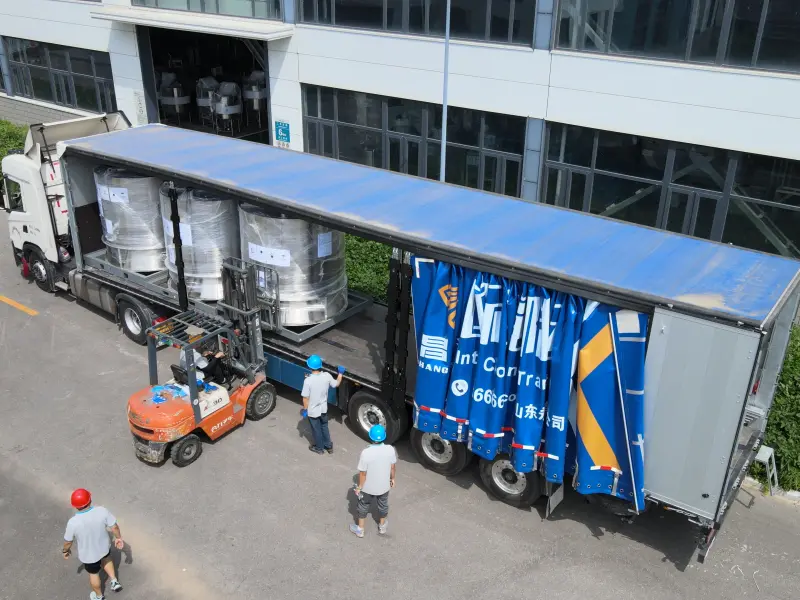
- Protective export packaging suitable for ocean or air freight to your destination
Installation, Operation & Maintenance
- Verify floor space dimensions of 800x100x150cm and ensure level foundation for stable operation
- Connect to 380V power supply and confirm frequency compatibility with local utilities
- Conduct initial trial runs with standard corn-soy blends to calibrate heating zones
- Clean 304 stainless steel contact parts thoroughly after each batch to prevent cross-contamination
- Replace wear parts such as cutter blades and die plates according to usage intensity
- Adjust screw elements and barrel segments to test different shear profiles for new recipes
Requesting a Configuration Quote
To receive an accurate proposal, specify the product type, such as dry cat kibble or semi-moist treats. Provide raw material formulations, especially fresh meat content, and your required output capacity. Share desired product shape, size, and moisture targets along with your laboratory dimensions. Include voltage requirements and destination country to facilitate logistics planning. You will receive a preliminary configuration, layout options, and a formal quotation detailing scope and terms.
Frequently Asked Questions
Q: What is the output capacity range for the AYT laboratory extruder?
A: The AYT model delivers an output between 100kg/h and 200kg/h. This range is ideal for laboratory-scale trials and small-batch production runs. It allows sufficient volume for meaningful data collection without the waste associated with full-scale industrial tests.
Q: Can this machine handle high-meat or fresh ingredient formulations?
A: Yes, the twin-screw design supports various raw materials including fish powder and bone meal. However, specific formulation behavior should be validated through trials. High-moisture ingredients may require adjusted thermal profiles to ensure proper forming and stability.
Q: Is the Siemens frequency converter standard for all models?
A: The AYT laboratory extruder features a Siemens frequency converter as specified. This component ensures precise control over motor speed and torque. It is critical for maintaining consistent shear rates during sensitive formulation trials and texture development.
Q: How does the laboratory extruder help in scaling up to industrial production lines?
A: It validates screw configurations and thermal profiles before full investment. By simulating industrial conditions, it predicts how recipes will behave at larger scales. This reduces the risk of production failures and ensures smoother commissioning of main processing lines.
Shipping
Container sea freight or rail · spare parts by air
Delivery & Support
From factory acceptance to stable production
Every Shandong Arrow Machinery machine ships with full documentation, on-site commissioning support and a spare-parts channel tied to its serial number, so your line keeps running after start-up.
-
Shipping documents
Equipment specification, configuration list, drawings where applicable, operation manual, packing list, commercial invoice and export documents.
-
Testing & inspection
Factory test records, videos, inspection reports and material declarations, by product type and contract.
-
Installation & training
Installation, commissioning, operator training and maintenance guidance, with the scope set in your contract.
-
Spare parts
Screws, extrusion dies, gearboxes and wear parts, supplied against your machine's serial number or model.
Same Category
Related pet food machines
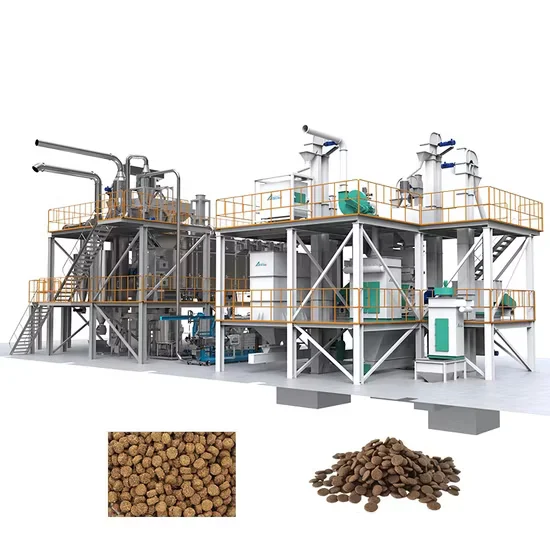
These machines and lines sit in the same process family, so you can build a complete line or add a single stage with them.
Dog Food Meat Strip Extruder for Dog Snacks Equipment
View details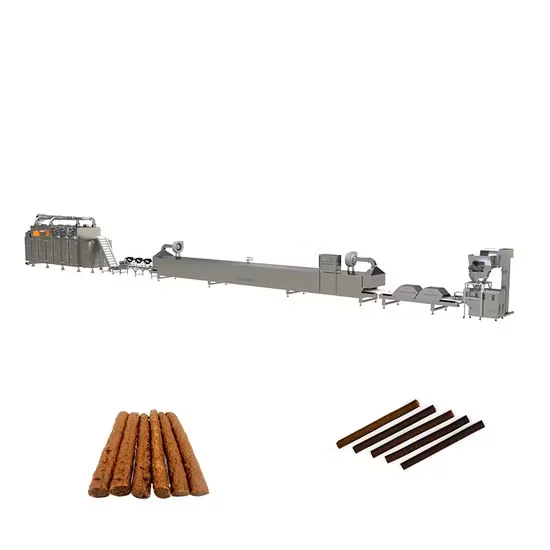
Dog Food Treats Meat Strip Making and Cutting Equipment
View details
Cold Press Dog Food Machine for Pet Food Plant
View details
Full Automatic Dry Cold Press Dog Food Extrusion Equipment
View details
Not sure this configuration fits your formula?
Tell us your target product, raw materials and output in kg/h. Our engineers confirm the process first, then recommend the extrusion and drying setup.
Applications
Pet products this machine is built for
This equipment is configured for the pet product types below. Open an application to see the full process route and matching machines.

Engineering Notes
Selection guides & technical articles
Read how process engineers choose extrusion, drying and coating setups for pet food before they commit to a configuration.
Jerky vs Dry Pet Treat Equipment: A Guide for Canadian Makers
Read article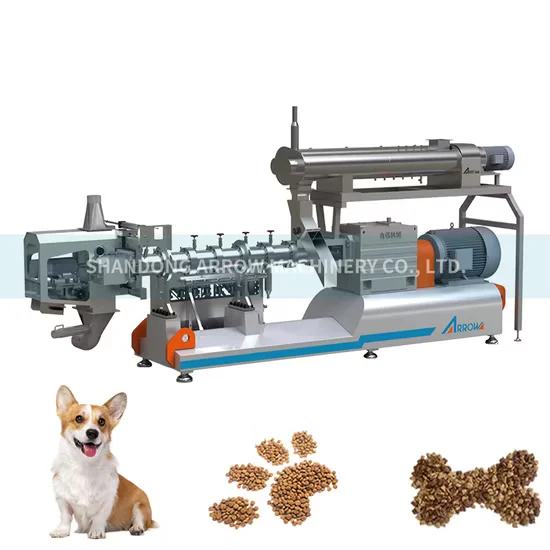
Dry Kibble Line Setup Guide for Pet Food Plants in Egypt
Read article
5 Key Machines to Start a Small Kibble Plant in Nigeria
Read articleFAQ
Questions buyers ask about this machine
Short answers on trials, lead time, documents and spare parts from Shandong Arrow Machinery, a pet food machinery manufacturer in Jinan, China.
Can I test my formula before I order?
Yes. Where conditions allow, we arrange formula and process trials on our process test platform, and you can send your own raw material for testing. Agreed raw-material tests are completed before production or shipment.
What is the lead time?
The lead time is stated in your formal quotation, based on the confirmed model, configuration and scope of supply. Machines ship by container sea freight or rail, and spare parts can go by air.
Which documents come with the machine?
You receive the final equipment specification, configuration list, equipment drawings where applicable, operation manual, packing list, commercial invoice and export or shipping documents. Factory test records, videos, inspection reports and material declarations are provided according to product type and contract.
How do I get spare parts after commissioning?
Send us your machine's serial number or model and we match the right parts. We supply screws, extrusion dies, gearboxes and wear parts, along with process consultation and service.
More answers on our pet food machinery FAQ page.
Request a quote for Laboratory Twin-Screw Extruder Machine for Cat Food
Share your target product and output. You receive a technical proposal with model, scope of supply and options.
- WhatsApp +86 137 9316 7756
- Email info@arrowextrusion.com
- No. 47 Chengbohu Road, Jibei Subdistrict, Jiyang District, Jinan, Shandong, China