


Process & Design
How Pet Steam Line for Wet Food and Meat Gravy Plant works in your plant
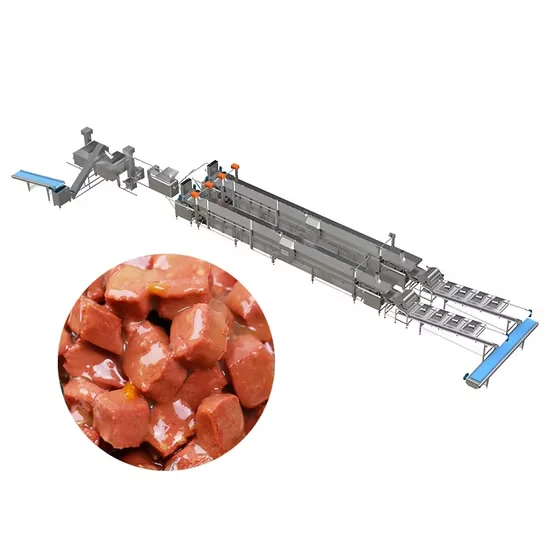
Process balance prevents bottlenecks — I have seen lines fail when forming outpaces sterilization, so this system is configured to match thermal processing capacity with upstream meat chunk production.
Technical Specifications
| Parameter | Value |
|---|---|
| Product | LTE100 Wet Food Meat Chunks Processing Line |
| Model | LTE100 |
| Power Source | Electric |
| Process | Thermal Processing |
| Automatic Grade | Automatic |
| Application | Dog, Cat |
| Feed Type | Meat and Bone Meal |
| Customization | Available |
| Weight | 1350 KG |
Application Suitability
| Product / Industry | Typical Use |
|---|---|
| Wet Pet Food Manufacturers | Production of meat chunks and gravy for dog and cat food using thermal processing methods. |
| Private-Label Contract Processors | Automated processing of meat and bone meal into consistent wet food products for retail brands. |
Why Texture Consistency Fails in Wet Food Lines
Mismatched throughput between forming and thermal processing destroys product integrity.
In my early days commissioning plants across Russia, I witnessed a facility near Moscow where the forming section pushed meat chunks faster than the downstream retorts could handle. The backlog crushed the product into mush, and the entire line sat idle for days while operators cleared the blockage. This failure was not due to a single machine defect but a lack of process balance. Many buyers focus solely on the extruder or mixer, ignoring how thermal processing limits dictate the maximum viable output. When the thermal zone cannot absorb the volume from the forming stage, moisture distribution becomes uneven, and the final texture suffers. Without a synchronized line design, even high-quality raw materials result in inconsistent batches that fail quality control checks.
Integration Within the Wet Food Workflow
The LTE100 functions as the core thermal processing unit within a complete wet food production sequence. Upstream, it receives prepared meat and bone meal mixtures from mixing and forming equipment, where the raw material has been homogenized to ensure uniform density. Downstream, the processed chunks move toward packaging or sterilization stages, depending on the specific recipe requirements. This positioning requires precise coordination with preceding and succeeding modules to maintain continuous flow. Disruptions at this stage ripple backward, causing stoppages in mixing, or forward, creating bottlenecks in packaging. Proper integration ensures that the thermal treatment achieves the desired protein denaturation and texture without overcooking or under-processing the meat components.
Operational Challenges in Meat Chunk Production
Raw material variability poses the most significant risk to consistent output in wet food manufacturing. Meat and bone meal compositions can fluctuate in fat and moisture content, affecting how the product responds to thermal processing. High-fat formulations may require adjusted temperature profiles to prevent surface oiling or structural collapse during heating. Additionally, maintaining the distinct shape of meat chunks while ensuring thorough heat penetration is a delicate balance. If the thermal energy is too aggressive, the chunks lose definition; if insufficient, food safety standards may not be met. Cleaning between batches with different meat ratios also demands careful attention to prevent cross-contamination and ensure hygiene compliance.
Understanding Key System Specifications
The LTE100 operates on an electric power source, providing stable and controllable energy input for consistent thermal processing. Its automatic grade reduces manual intervention, minimizing human error in temperature and timing adjustments during continuous runs. The system is specifically designed to handle meat and bone meal, meaning its internal components are selected to withstand the abrasive and corrosive nature of these ingredients. Customizable dimensions allow the line to fit into existing factory layouts, which is critical for facilities undergoing upgrades rather than new builds. This flexibility ensures that the thermal processing zone aligns correctly with upstream feeders and downstream conveyors, optimizing floor space utilization without compromising operational efficiency.
Hidden Costs of Poor Equipment Selection
Choosing a thermal processing unit without considering total line capacity leads to costly inefficiencies. If the LTE100 is undersized for the upstream mixer, raw material accumulates, requiring manual removal and causing waste. Conversely, an oversized unit may operate below optimal efficiency, increasing energy costs per kilogram of finished product. Incompatible interfaces with existing drying or cooling systems can necessitate expensive custom fabrication to bridge gaps. Furthermore, lack of customization options may force factories to reconfigure entire production areas, incurring labor and downtime expenses. These hidden costs often exceed the initial savings from selecting cheaper, non-integrated equipment.
Why Source This Line from Arrow
Arrow provides manufacturer-oriented supply, ensuring that the LTE100 is built to match specific process requirements rather than off-the-shelf limitations. Our integrated process coverage means we evaluate the entire flow from ingredient preparation to thermal processing, preventing the mismatches I observed in earlier projects. Application-based machine selection uses your specific raw material data and target product characteristics to configure the system correctly. We support raw-material trials to verify performance before finalizing specifications, reducing the risk of post-installation surprises. Custom line layouts are engineered to fit your facility, whether for a new factory or a retrofit, ensuring seamless integration with existing utilities and infrastructure.
Documentation & Delivery
- Detailed technical specifications outlining electrical and dimensional requirements for the LTE100.
- Factory layout diagrams showing integration points with upstream mixing and downstream packaging.
- Comprehensive operation manuals covering startup, thermal parameter adjustment, and shutdown procedures.
- Factory acceptance test records verifying automatic grade functionality and thermal consistency.
- Export documentation including commercial invoices and packing lists prepared per contract terms.
- Protective export packaging designed to prevent corrosion and damage during ocean or rail transit.
Installation, Operation & Maintenance
- Verify foundation stability and floor load capacity to support the 1350 KG unit weight.
- Connect electric power source according to local voltage and frequency standards specified in the quote.
- Conduct initial trial runs with meat and bone meal to calibrate thermal processing parameters.
- Perform daily cleaning of contact surfaces to prevent residue buildup and ensure hygiene.
- Inspect and replace wear parts on schedule to maintain automatic grade reliability and uptime.
- Adjust customizable dimensions and interface points during installation to align with adjacent machines.
Request a Configuration Quote
To receive an accurate proposal, specify the target product type, such as dog or cat wet food, and provide the raw material formulation, particularly the meat and bone meal ratio. Indicate the required output capacity and desired chunk size or shape. Share your factory dimensions and available utility constraints, including electric power specifications. Include the destination country for shipping calculations. In return, you will receive a preliminary configuration, a layout overview, and a formal quotation detailing the scope of supply and technical specifications.
Frequently Asked Questions
Q: What types of wet pet food can the LTE100 produce?
A: This line is designed for processing meat and bone meal into wet food products, specifically meat chunks and gravy for dogs and cats. It utilizes thermal processing methods to achieve the desired texture and safety standards for these applications.
Q: How are the dimensions customized for specific factory layouts?
A: The system offers customizable dimensions to fit existing factory spaces. During the engineering phase, we adjust the footprint and interface points to align with your upstream and downstream equipment, ensuring efficient use of available floor area.
Q: What is included in the online 24/7 installation guide?
A: The guide provides step-by-step instructions for mechanical assembly, electrical connections, and initial calibration. It covers safety protocols, troubleshooting common setup issues, and verifying automatic grade functions before full-scale production begins.
Q: Can the line handle different meat and bone meal ratios?
A: Yes, the system is configured to process meat and bone meal formulations. However, significant changes in fat or moisture content may require recalibration of thermal parameters. We recommend trial runs to optimize settings for new recipes.
Q: What are the warranty terms and after-sales service options?
A: Warranty and service terms are defined in the final contract. Typically, this includes coverage for manufacturing defects and access to spare parts. Specific durations and conditions for overseas support are confirmed during the quotation process.
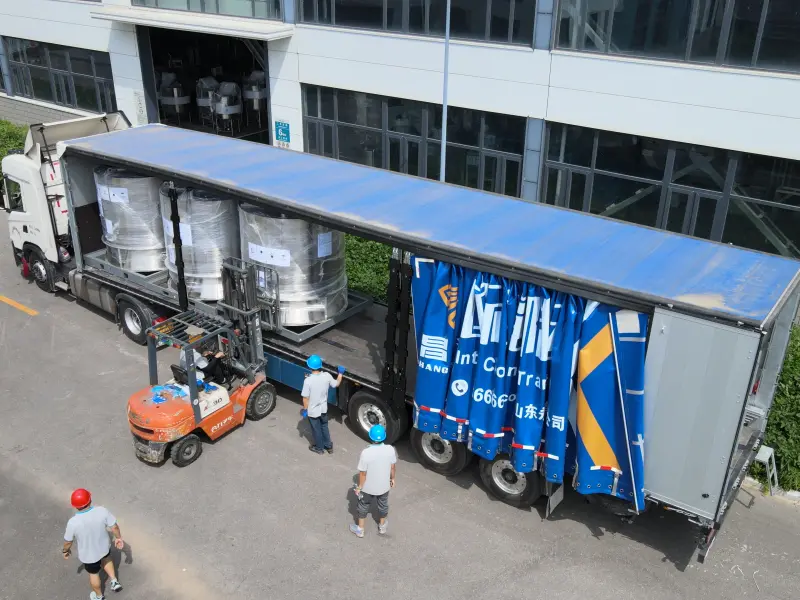
Shipping
Container sea freight or rail · spare parts by air
Delivery & Support
From factory acceptance to stable production
Every Shandong Arrow Machinery machine ships with full documentation, on-site commissioning support and a spare-parts channel tied to its serial number, so your line keeps running after start-up.
-
Shipping documents
Equipment specification, configuration list, drawings where applicable, operation manual, packing list, commercial invoice and export documents.
-
Testing & inspection
Factory test records, videos, inspection reports and material declarations, by product type and contract.
-
Installation & training
Installation, commissioning, operator training and maintenance guidance, with the scope set in your contract.
-
Spare parts
Screws, extrusion dies, gearboxes and wear parts, supplied against your machine's serial number or model.
Same Category
Related pet food machines
These machines and lines sit in the same process family, so you can build a complete line or add a single stage with them.

Cold Press Dog Food Machine for Pet Food Plant
View details
Cold Extrusion Pet Treats Equipment for Pet Food Plant
View details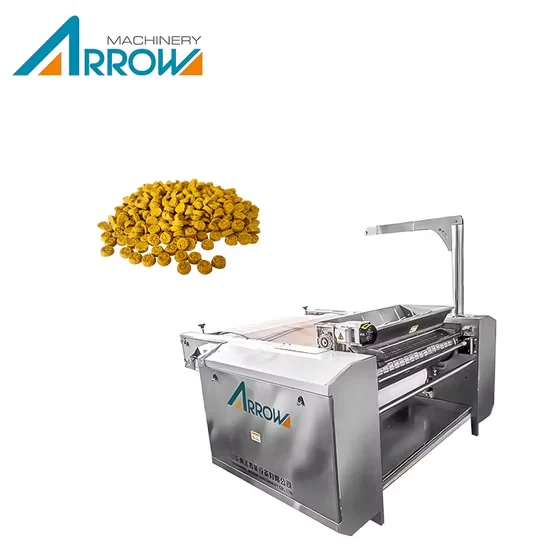
Baked Pet Food Production Line Automatic Cold Pressed Dog Cat Feed Pellet Forming Equipment
View details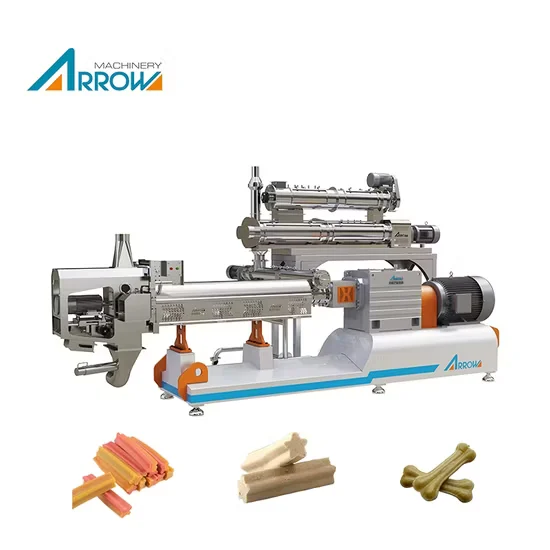
Automatic Dog Chew Treat Extruder Processing for Pet Food
View details
Not sure this configuration fits your formula?
Tell us your target product, raw materials and output in kg/h. Our engineers confirm the process first, then recommend the extrusion and drying setup.
Applications
Pet products this machine is built for
This equipment is configured for the pet product types below. Open an application to see the full process route and matching machines.
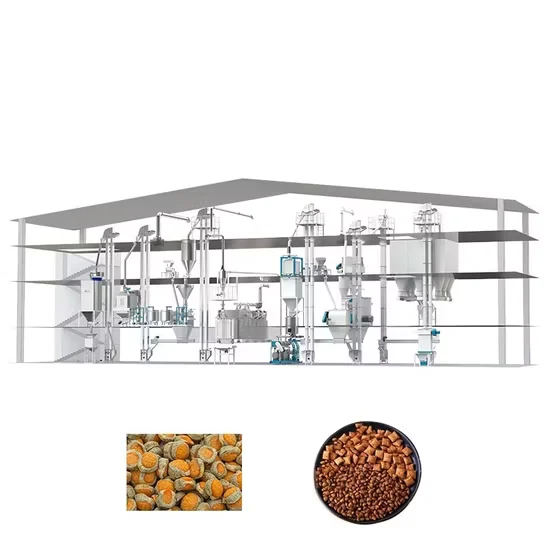
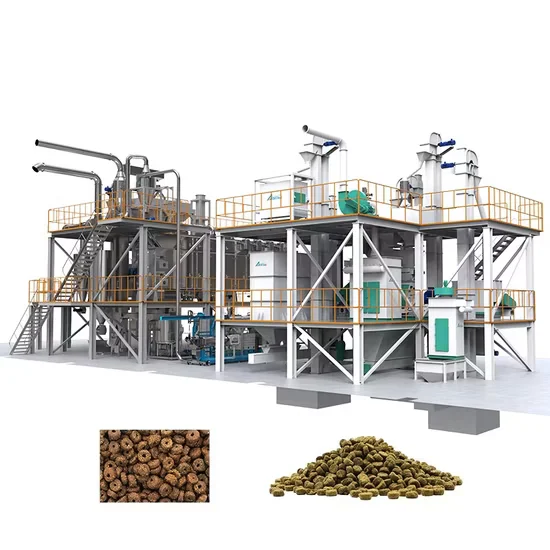
Engineering Notes
Selection guides & technical articles
Read how process engineers choose extrusion, drying and coating setups for pet food before they commit to a configuration.

Rodent Feed Line Guide for Hamster and Gerbil Food Production
Read article
Jerky vs Dry Pet Treat Equipment: A Guide for Canadian Makers
Read article
Dry Kibble Line Setup Guide for Pet Food Plants in Egypt
Read articleFAQ
Questions buyers ask about this machine
Short answers on trials, lead time, documents and spare parts from Shandong Arrow Machinery, a pet food machinery manufacturer in Jinan, China.
Can I test my formula before I order?
Yes. Where conditions allow, we arrange formula and process trials on our process test platform, and you can send your own raw material for testing. Agreed raw-material tests are completed before production or shipment.
What is the lead time?
The lead time is stated in your formal quotation, based on the confirmed model, configuration and scope of supply. Machines ship by container sea freight or rail, and spare parts can go by air.
Which documents come with the machine?
You receive the final equipment specification, configuration list, equipment drawings where applicable, operation manual, packing list, commercial invoice and export or shipping documents. Factory test records, videos, inspection reports and material declarations are provided according to product type and contract.
How do I get spare parts after commissioning?
Send us your machine's serial number or model and we match the right parts. We supply screws, extrusion dies, gearboxes and wear parts, along with process consultation and service.
More answers on our pet food machinery FAQ page.
Request a quote for Pet Steam Line for Wet Food and Meat Gravy Plant
Share your target product and output. You receive a technical proposal with model, scope of supply and options.
- WhatsApp +86 137 9316 7756
- Email info@arrowextrusion.com
- No. 47 Chengbohu Road, Jibei Subdistrict, Jiyang District, Jinan, Shandong, China