When pet supplement brands attempt to shift soft chew production from contract manufacturing to in-house facilities, the most common failure point is underestimating the system coupling between low-temperature extrusion and subsequent drying processes. Many founders assume that purchasing a high-quality extruder guarantees product consistency, only to find that moisture control and texture stability collapse during scale-up. The core reality is that a functional soft chew production line must treat extrusion, drying, and cooling as an integrated thermal system rather than a collection of standalone machines.
Success depends on balancing the entire moisture curve from the mixer to final packaging. This requires precise equipment configuration based on your specific raw material formulation, target water activity, and factory utility constraints. Without this holistic approach, even premium ingredients can result in clumping, mold growth, or inconsistent texture.
Why Pet Supplement Brands Are Shifting to In-House Soft Chew Manufacturing
Moving production in-house offers distinct advantages for brands focused on proprietary formulations and rapid market iteration. Contract manufacturers often operate with standardized processes that may not accommodate unique ingredient profiles, such as high levels of fresh meat, functional oils, or heat-sensitive probiotics. By controlling the production environment, brands can protect intellectual property and adjust recipes without navigating lengthy external approval cycles.
However, this transition introduces significant engineering responsibilities. Unlike dry kibble, soft chews require strict management of water activity to ensure shelf stability while maintaining a palatable, chewy texture. The margin for error is narrow. A slight deviation in drying temperature or airflow can alter the product’s mouthfeel or lead to microbial instability. Therefore, the decision to build an internal facility must be backed by a thorough understanding of process engineering, not just capital availability.
The Core Process: Low-Temperature Extrusion and Moisture Control
Soft chewable treats differ fundamentally from expanded dry foods because they rely on dense, non-puffed structures. This necessitates a low-temperature cold extrusion process that shapes the dough without causing significant starch gelatinization or expansion. The goal is to retain the nutritional integrity of heat-sensitive additives while achieving a uniform, dense matrix. If the temperature rises too high during extrusion, the product may become brittle or lose its desired chewiness.
Moisture control is equally critical. The initial moisture content after extrusion must be carefully managed to allow for effective drying without case hardening, where the outer layer dries too quickly and traps moisture inside. This trapped moisture can migrate to the surface later, causing stickiness or promoting mold growth. Understanding the relationship between ingredient composition, extrusion shear, and drying kinetics is essential for defining the correct process parameters.
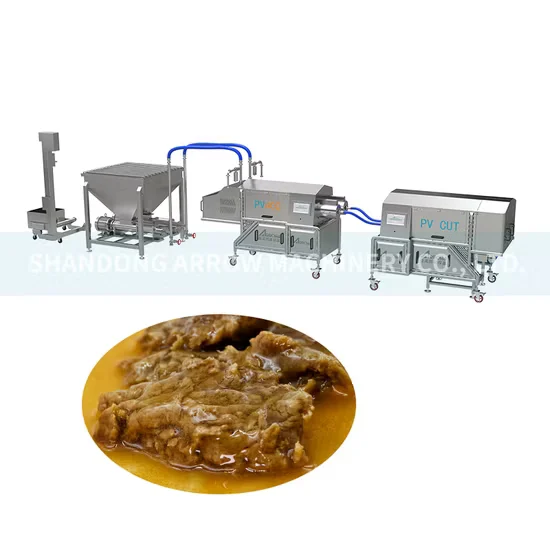
Essential Equipment for a Complete Soft Chew Line
A reliable soft chew production line begins with precise ingredient preparation. Mixing systems, such as single-shaft or twin-shaft paddle mixers, ensure that dry powders, liquids, and fresh meats are homogenized before entering the extruder. Inconsistent mixing leads to variable texture and nutrient distribution, which is unacceptable for functional supplements. The choice of mixer depends on the viscosity of the recipe and the required batch cycle time.
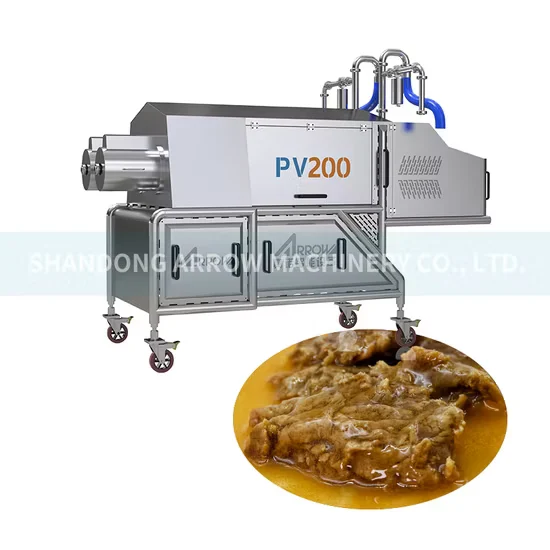
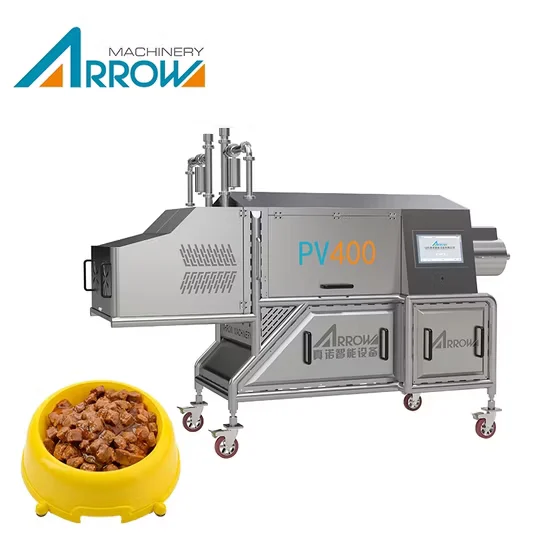
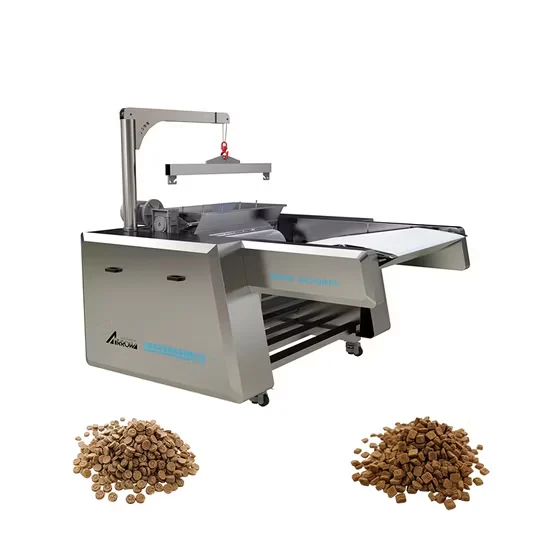
The heart of the line is the low-temperature cold extruder. Unlike standard twin-screw extruders designed for high-expansion kibble, this equipment focuses on gentle conveying and precise forming. It must handle high-fat or high-moisture formulations without clogging or overheating. Following extrusion, the product enters the drying phase. Cross-flow circulation dryers or GDH series dryers are often selected for their ability to provide gentle, uniform dehydration. These systems allow for precise control over air temperature and humidity, which is vital for preventing surface cracking while reducing water activity to safe levels.
Finally, coating and cooling stages finalize the product. Vacuum coating machines are ideal for adding heat-sensitive flavors or functional oils after drying, ensuring even distribution without damaging the product structure. The entire line must be balanced so that the dryer’s capacity matches the extruder’s output, preventing bottlenecks that force operators to rush drying cycles.
Facility Layout and Utility Planning for Soft Chew Plants
Designing the factory layout requires more than just placing machines in a row. Efficient workflow minimizes cross-contamination and reduces labor costs. Raw material handling areas should be separated from finished product zones, with clear pathways for personnel and materials. For soft chews, which are hygroscopic, the packaging area must maintain controlled humidity to prevent moisture reabsorption immediately after cooling.
Utility planning is often overlooked during the initial investment phase. Soft chew lines may require specific steam pressures for preconditioning, consistent electrical power for extruder drives, and adequate cooling water for temperature control. The footprint of the drying system is typically larger than that of the extruder, requiring sufficient ceiling height and floor space for air circulation ducts. Engaging in process consultation before construction begins helps align equipment specifications with local utility limitations and spatial constraints.
Overcoming Common Production Challenges in Soft Chews
One frequent issue in soft chew manufacturing is product stickiness during cooling. This usually stems from inadequate drying or insufficient cooling time before packaging. If the product core remains too warm or moist, it will deform and adhere to other pieces. Adjusting the drying curve to ensure a lower exit moisture content and extending the cooling conveyor length can mitigate this problem.
Another challenge is texture inconsistency, such as hard spots or excessive hardness. This often results from uneven mixing or improper screw configuration in the extruder. Reviewing the screw profile to reduce shear heat and ensuring thorough pre-mixing of ingredients can improve uniformity. Additionally, matching the die plate design to the desired shape and density is crucial. Complex shapes may require slower extrusion speeds to maintain structural integrity. Regular maintenance of cutting blades and dies also prevents variation in piece size and weight.
Frequently Asked Questions
Q: What is the ideal moisture content for soft pet chews to ensure shelf stability?
A: The target moisture content typically ranges between 15% and 25%, depending on the formulation and preservatives used. However, water activity (Aw) is a more accurate indicator of safety, with values below 0.75 generally required to inhibit microbial growth. Precise targets must be determined through laboratory testing of your specific recipe to balance texture and shelf life.
Q: How does low-temperature extrusion differ from standard twin-screw extrusion for pet treats?
A: Low-temperature extrusion focuses on shaping dense dough without significant expansion or starch gelatinization. Standard twin-screw extrusion often involves high shear and temperature to puff ingredients for dry kibble. Cold extruders use specialized screw configurations and cooling jackets to maintain lower temperatures, preserving heat-sensitive nutrients and achieving a chewy, non-puffed texture.
Q: What utility requirements should we prepare before installing a soft chew production line?
A: You need to confirm available electrical voltage and frequency, steam pressure for preconditioning if applicable, and compressed air quality. Drying systems may require significant electrical power or gas supply for heating air. Cooling water circuits are also necessary for temperature control in extruders. Providing these details early ensures the equipment configuration matches your factory’s infrastructure.
Q: Can we start with a single extruder and expand to a complete line later?
A: Yes, modular equipment allows for phased expansion. You can begin with a standalone extruder and manual drying methods, then integrate automated dryers, coaters, and packaging systems as volume grows. However, designing the initial layout with future expansion in mind prevents costly retrofitting. Engineering support can help plan a scalable facility that accommodates additional modules without disrupting existing operations.
To move forward with your facility planning, share your product formula, target hourly capacity, and factory dimensions. Our engineering team will review your specific process requirements and provide a customized technical proposal, including equipment configuration and preliminary layout options. We can also discuss raw material trials to validate the process before finalizing your investment.