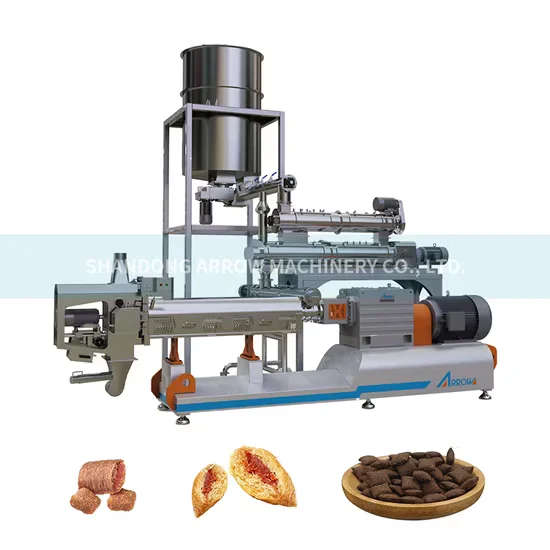
Many investors planning a Vietnam pet food factory setup underestimate how tropical humidity impacts drying consistency. This oversight often leads to uneven moisture levels in finished kibble, shortening shelf life and causing costly production delays. The root cause is rarely the extruder itself but a mismatched downstream process that cannot handle the ambient conditions.
Building a reliable dry pet food line requires more than selecting high-capacity machines. It demands a systemic approach where mixing, extrusion, drying, and coating are balanced against local utilities and climate constraints. Success depends on integrating these nodes into a cohesive workflow rather than treating them as isolated purchases.
Assessing Raw Material and Climate Effects on Extrusion
In Southeast Asia, high ambient humidity and temperature significantly influence raw material behavior before it even enters the hopper. Ingredients like corn meal or rice bran may absorb moisture from the air, altering their flow properties and thermal response during processing. When formulating for a Vietnam pet food factory setup, engineers must account for these variables to maintain consistent shear and pressure within the barrel.
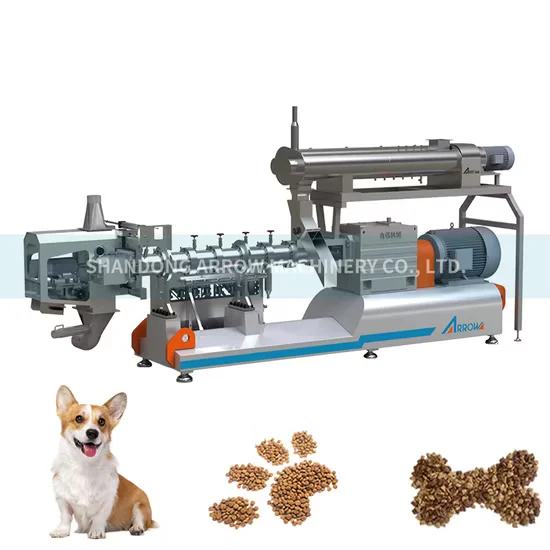
The choice of extrusion technology plays a critical role in handling diverse formulations. A twin-screw extruder offers greater flexibility for recipes containing fresh meat, high fat, or complex starch blends compared to single-screw alternatives. Its modular screw configuration allows operators to adjust compression and shear profiles to match specific ingredient characteristics. This adaptability is essential when producing various kibble shapes and densities without compromising structural integrity.
Process evaluation before equipment specification helps identify potential bottlenecks. Testing raw materials under simulated production conditions reveals how different starch sources gelatinize and how proteins interact under heat and pressure. Such trials inform the selection of screw elements and die plates, ensuring the final product meets texture and density targets. Without this step, manufacturers risk frequent downtime due to clogging or inconsistent pellet formation.
Engineering Drying and Coating Systems for Humid Climates
Drying is frequently the bottleneck in kibble production, especially in tropical environments where ambient air carries high moisture loads. Standard drying methods may struggle to reduce internal kibble moisture to safe storage levels without overheating the surface. Selecting the right drying technology is therefore crucial for maintaining product quality and operational efficiency.
Cross-flow circulation dryers provide controlled airflow and temperature distribution, allowing for gradual moisture removal without case hardening. In humid regions, external air circulation systems may require additional dehumidification or heat recovery units to maintain efficiency. The goal is to achieve uniform drying across all pellets, preventing microbial growth and ensuring long-term stability.
Coating processes must also align with the dried product’s condition. Vacuum coating machines are ideal for adding high levels of fats or heat-sensitive nutrients after drying, as they ensure deep penetration without damaging the kibble structure. For surface flavoring, drum coaters offer efficient application of powders and liquids. Integrating these systems requires careful attention to transfer points and residence times to prevent breakage or uneven distribution.
Optimizing Plant Layout and Utility Integration
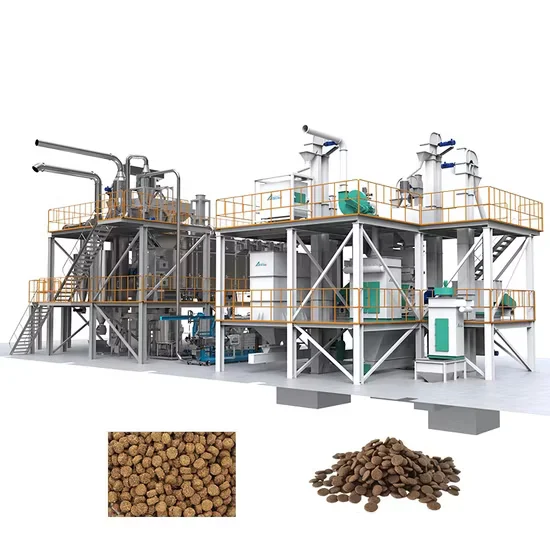
A well-designed factory layout minimizes material handling and maximizes workflow efficiency. For a new Vietnam pet food factory setup, spatial planning must consider the footprint of each machine, maintenance access, and future expansion possibilities. Grinding and mixing sections should be positioned to feed the extruder continuously, while drying and cooling lines need sufficient length to allow proper process time.
Utility availability often dictates equipment choices. Local power frequency, voltage stability, and steam generation capacity must match the specifications of the selected machinery. If natural gas is scarce, electric heating or biomass boilers might be necessary for the dryer and preconditioner. Engineers should evaluate these constraints early to avoid costly retrofits later.
Balancing capacity across all stages prevents upstream or downstream bottlenecks. An oversized extruder paired with an undersized dryer will lead to inventory buildup and quality issues. Conversely, a powerful dryer cannot compensate for inconsistent feeding from the mixer. A holistic view of the entire line ensures that each component operates at its optimal duty point, supporting steady throughput and consistent product quality.
Ensuring Reliable Turnkey Support and Commissioning
International projects carry inherent risks related to installation, training, and ongoing support. A turnkey approach consolidates responsibility for engineering, procurement, and commissioning under one provider, reducing coordination challenges. This model is particularly valuable for investors unfamiliar with local regulatory requirements or technical standards.
Comprehensive support includes factory acceptance testing before shipment, ensuring that machines meet agreed specifications. On-site installation and commissioning by experienced engineers help localize operations and train staff on standard operating procedures. Clear documentation and spare parts availability further minimize downtime during the initial production phase.
Contractual clarity on scope, timelines, and performance criteria protects both parties. Defining responsibilities for utility connections, civil works, and local permits avoids misunderstandings during project execution. Post-commissioning support, including remote troubleshooting and periodic maintenance visits, ensures long-term operational success.
Frequently Asked Questions
Q: What extruder capacity is recommended for a new kibble factory in Vietnam?
A: Capacity depends on target output, product type, and operating hours. Small to medium lines may start at 500 kg/h, while large facilities often require 2-5 t/h or more. Engineers assess raw material characteristics and desired product shape to recommend appropriate twin-screw models. Trial runs help validate throughput expectations before finalizing equipment selection for your Vietnam pet food factory setup.
Q: How does high humidity in Southeast Asia affect the drying process of pet kibble?
A: High ambient humidity reduces the driving force for moisture evaporation, making drying slower and less efficient. Dryers may need higher temperatures or longer residence times, which can affect product quality. Using closed-loop systems or dehumidified air can mitigate these effects. Proper insulation and airflow design are critical to maintain consistent drying performance in tropical climates.
Q: Can you provide a complete factory layout and utility planning for a greenfield pet food plant?
A: Yes, engineering teams develop detailed layouts based on site dimensions, utility access, and production goals. These plans include equipment placement, material flow paths, and utility connection points. Utility planning considers local power, water, and fuel sources to ensure compatibility with selected machinery. This integrated approach supports efficient construction and smooth commissioning.
Q: Do you offer overseas installation and operator training for the kibble production line?
A: Overseas installation and training services are available as part of the project scope. Experienced engineers travel to the site to supervise assembly, connect utilities, and conduct commissioning tests. Operator training covers machine operation, routine maintenance, and troubleshooting. Specific terms, including duration and travel costs, are defined in the contract to ensure clear expectations.
Send your raw material formulation, target capacity, and factory dimensions to receive a customized technical proposal. Request a detailed layout plan and equipment specifications to evaluate the feasibility of your Vietnam pet food factory setup. Discuss trial options to validate process parameters before finalizing your investment decision.