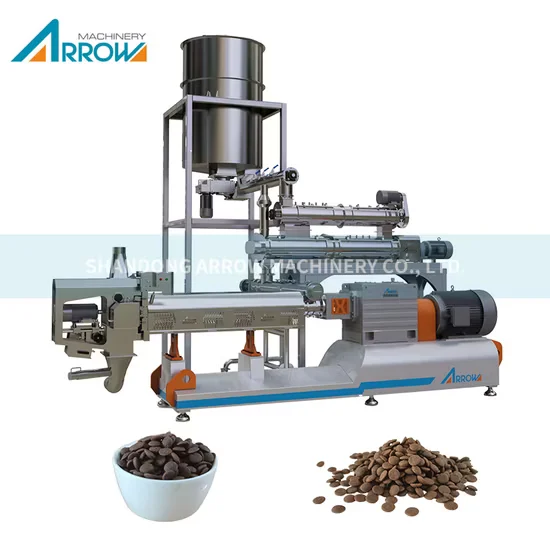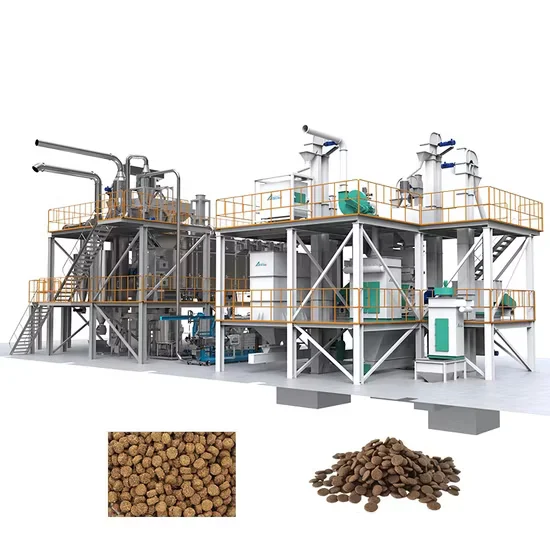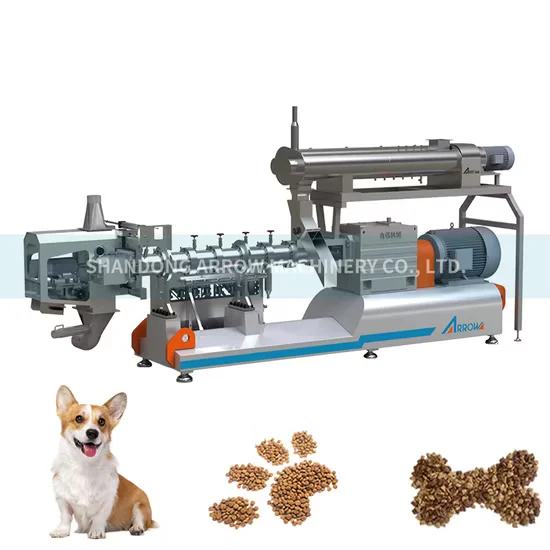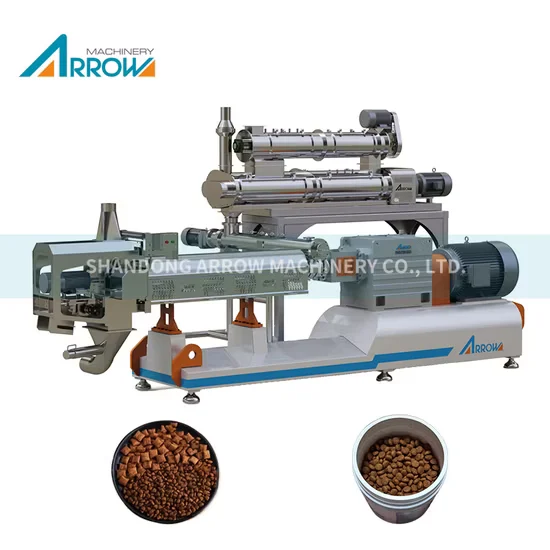
In Turkey, the biggest bottleneck for new pet food facilities is rarely capital availability but rather the technical integration of extrusion, drying, and coating units into a cohesive workflow. Mismatched thermal profiles and unbalanced throughput between upstream and downstream modules often lead to inconsistent moisture levels and frequent line stoppages. Selecting a source manufacturer that engineers the entire process flow ensures that every component, from grinding to final packaging, operates in harmony.
The most effective strategy for a successful pet food line investment Turkey involves partnering with a single supplier capable of delivering integrated turnkey solutions. This approach eliminates the coordination gaps inherent in multi-vendor projects, ensuring that equipment specifications align precisely with local utility constraints and production targets. By consolidating engineering and commercial scope, investors gain clear visibility into costs, layout efficiency, and long-term operational stability.
Adapting Plant Layouts to Local Utility Constraints
Facility planning in Turkey requires careful consideration of existing infrastructure, particularly regarding power frequency, voltage standards, and available heat sources. Unlike greenfield projects where utilities can be designed from scratch, many expansions involve retrofitting equipment into established buildings with fixed spatial limitations. A generic equipment list often fails to account for these physical boundaries, leading to inefficient workflows or costly structural modifications during installation.
A competent engineering team begins by assessing raw material handling needs alongside the desired output capacity. For instance, if a facility relies on specific fuel types for heating or has limited electrical headroom, the selection of dryers and extruders must reflect these parameters. Cross-flow circulation dryers, for example, offer different energy profiles compared to external air circulation systems, and the choice depends heavily on local energy costs and environmental regulations.
Moreover, space optimization is critical when balancing multiple processing stages. The distance between the mixer and the extruder, or the elevation changes required for gravity-fed conveying, impacts both footprint and maintenance access. By providing detailed factory dimensions and utility data early in the inquiry, buyers enable suppliers to propose layouts that maximize throughput without compromising safety or serviceability. This site-specific customization prevents the common issue of equipment arriving only to find it does not fit the intended production hall.
Ensuring Process Continuity in Dry Food and Treats Manufacturing
Coordinating various machine vendors introduces significant risk to process consistency. When an extruder comes from one supplier and the dryer from another, there is no guaranteed alignment of thermal dynamics or capacity ratings. This disconnect often results in bottlenecks where the drying section cannot handle the moist output from the extruder, causing product degradation or line halts. A unified proposal from a single source manufacturer mitigates these risks by treating the production line as an interconnected system rather than a collection of isolated machines.
For dry kibble and pet treats, the transition from forming to drying is particularly sensitive. The Dry Pet Food Production Line must maintain a steady state where moisture removal matches the rate of formation. If the upstream extrusion capacity exceeds the drying limit, the product may remain too soft, leading to clumping or mold growth during storage. Conversely, an oversized dryer wastes energy and may over-dry the product, affecting its texture and palatability.
Similarly, the Pet Treats Production Line for meat strips or jerky requires precise control over temperature and airflow to achieve the desired chewiness without case hardening. Integrating these processes under one engineering umbrella ensures that the screw configuration, cutting mechanism, and drying parameters are synchronized. This holistic view allows for better prediction of final product quality and reduces the trial-and-error phase typically associated with commissioning new lines.
Technical Drivers of Product Consistency and Quality
Achieving consistent kibble size, density, and texture relies heavily on the performance of the extrusion system. The Twin-Screw Extruder is particularly suited for formulations containing fresh meat, high fat, or complex ingredient mixes due to its superior mixing and shear capabilities. Unlike single-screw units, twin-screw designs offer greater flexibility in adjusting residence time and pressure, which is essential for producing both expanded kibble and dense, cold-extruded treats.
Post-extrusion, moisture management becomes the primary determinant of shelf life and quality. Cross-flow circulation dryers provide uniform heat distribution, which is vital for preventing surface cracking while ensuring the core reaches safe moisture levels. For products requiring high fat inclusion or specific flavor profiles, vacuum coating machines offer a controlled environment that enhances absorption without damaging the pellet structure. This method is far more effective than simple drum flavoring for high-value premium feeds where surface integrity matters.
The interplay between extrusion conditions and downstream drying cannot be overstated. Factors such as screw speed, barrel temperature, and cutter velocity directly influence the initial moisture content and porosity of the pellets. These characteristics then dictate the drying time and temperature required. Understanding this relationship allows engineers to specify equipment that not only meets nominal capacity but also maintains quality across varying recipe formulations.
Structuring Turnkey Projects for Clear Investment Visibility
A well-structured turnkey project provides clarity on every stage of the investment, from initial design to final commissioning. By defining the scope of supply, including installation, training, and spare parts, in the contract, buyers avoid hidden costs and unexpected delays. This transparency is crucial for pet food line investment Turkey, where logistical complexities and regulatory requirements can add layers of uncertainty to international procurement.
The process typically begins with a detailed technical review of the buyer’s formulation and capacity goals. Based on this data, the supplier prepares a preliminary configuration that outlines each machine’s role in the overall process. Factory acceptance testing (FAT) allows the buyer to verify equipment performance before shipment, ensuring that all components meet agreed-upon specifications. This step is vital for building confidence and reducing the risk of on-site issues during installation.
Overseas commissioning and operator training are integral parts of the service package. Having experienced engineers present during the startup phase ensures that the line is calibrated correctly and that local staff are proficient in operation and maintenance. This hands-on support bridges the gap between theoretical design and practical reality, enabling the facility to reach full production capacity quickly and efficiently.
Frequently Asked Questions
Q: What utilities and factory space are required for a complete dry pet food line in Turkey?
A: Requirements vary based on capacity and automation level. Typically, you need three-phase power compatible with local voltage standards, a reliable heat source for drying, and sufficient floor space for linear or L-shaped layouts. Providing exact factory dimensions and utility details allows for a customized layout that optimizes workflow and maintenance access within your specific facility constraints.
Q: Can the extrusion and drying systems be customized for both kibble and meat-based treats?
A: Yes, twin-screw extruders offer the flexibility to handle diverse formulations, from standard starch-based kibble to high-meat treat mixes. By adjusting screw configurations and processing parameters, the same base system can produce different product types. Downstream drying and coating equipment are selected to match the specific moisture and texture requirements of each product category.
Q: How does a turnkey supplier handle overseas installation and commissioning in Turkey?
A: The supplier coordinates the dispatch of engineering teams for on-site installation and commissioning as defined in the contract. This includes mechanical assembly, electrical connection guidance, and process calibration. Comprehensive operator training is provided to ensure your team can manage daily operations, routine maintenance, and troubleshooting effectively after the engineers depart.
Q: What information should I include in my inquiry to get an accurate quotation?
A: Specify the product type, raw material formulation, desired output capacity, and target product characteristics such as shape and moisture content. Include details about your factory dimensions, available utilities, and destination port. Mention if you require recipe trials, layout design, or specific certification documents to ensure the proposal aligns precisely with your project needs.
To move forward with your facility planning, share your product formula, target capacity, and factory dimensions. Our engineering team will prepare a customized layout and technical specification sheet for your review.