Surface grease on kibble is more than a cosmetic defect; it accelerates lipid oxidation, leading to rancidity and poor palatability. True uniform fat loading requires moving beyond surface application to internal absorption, a process that must occur in a controlled vacuum environment.
A vacuum coating machine solves this by creating negative pressure within the drum, pulling liquid fat into the porous structure of the extruded kibble. This ensures the surface remains dry to the touch while maximizing fat inclusion rates, directly extending shelf life and improving consistency for high-end pet food production.
Why Surface Spraying Fails to Deliver Consistent Fat Distribution
Traditional atmospheric coating methods, such as standard double-drum flavoring machines, rely on gravity and mechanical tumbling to distribute liquids. While effective for dry powders or low-viscosity sprays, these systems struggle with high-fat applications. The fat merely coats the exterior of the pellet, creating a slick layer that does not integrate with the starch matrix. This surface oil is prone to rubbing off during packaging and transport, contaminating bag interiors and compromising seal integrity.
For contract manufacturers and private-label brands, inconsistent fat distribution leads to significant quality control issues. Batches may vary in caloric density and texture, causing consumer complaints. Furthermore, surface oil acts as a catalyst for oxidation when exposed to air during storage. Without internal absorption, the protective barrier of the kibble is compromised, reducing the product’s commercial viability in competitive markets where freshness is a primary selling point.
The industry demand for higher fat inclusion in premium diets exacerbates these limitations. As formulations shift toward high-meat content and specialized lipid profiles, the physical capacity of the kibble surface to hold oil is quickly exceeded. Attempting to force more fat onto the exterior results in clumping, uneven coloring, and accelerated spoilage. A vacuum coating machine addresses this by utilizing the kibble’s internal porosity, effectively increasing the total fat load without altering the external tactile quality of the final product.
The Vacuum Coating Mechanism: Pulling Fat Into the Kibble Core
The core principle of vacuum coating involves manipulating pressure differentials to drive fluid penetration. When the drum is sealed and the vacuum pump activates, air is evacuated from both the chamber and the microscopic pores within the kibble. This creates a partial vacuum inside the pellet structure. Once the desired vacuum level is reached, heated liquid fat is sprayed into the chamber.
The pressure difference between the vacuum-sealed interior of the kibble and the surrounding environment forces the liquid fat into the capillary networks of the starch-protein matrix. This is not merely surface wetting; it is bulk absorption. The fat fills the voids left by moisture evaporation during the drying phase, locking nutrients inside the pellet. This mechanism ensures that every gram of added fat contributes to the nutritional profile rather than sitting vulnerably on the surface.
After the fat is absorbed, the vacuum is released, and the drum continues to rotate. This step helps distribute any residual surface moisture and ensures uniformity across the batch. The result is a kibble that appears dry and matte but contains a significantly higher fat content than what atmospheric spraying could achieve. This process is critical for maintaining the structural integrity of the pellet while meeting the high-energy requirements of active pets or specific aquatic species.
Key Machine Parameters for Optimal Fat Loading
Achieving consistent results requires precise control over several operational variables. The vacuum level and hold time must be matched to the specific density and porosity of the kibble. Highly expanded, low-density pellets absorb fat rapidly, while dense, sinking aquafeed or baked treats may require longer vacuum cycles to ensure deep penetration. Operators must adjust these parameters based on real-time observations of the product’s behavior during trials.
Temperature control of the fat itself is equally critical. Liquid fats have varying viscosities depending on their source and temperature. If the fat is too cool, it will not atomize properly or flow into the pores; if too hot, it may degrade sensitive nutrients. The heating jacket on the vacuum coating machine must maintain the fat at an optimal viscosity for spraying and absorption. This thermal management ensures that the fat remains fluid during injection but solidifies appropriately upon cooling, stabilizing the internal structure.
| Parameter | Impact on Coating Quality | Adjustment Strategy |
|---|---|---|
| Vacuum Level | Determines depth of penetration | Increase for dense pellets; decrease for fragile, highly expanded kibble |
| Hold Time | Ensures complete pore filling | Extend for high-viscosity fats or large pellet sizes |
| Fat Temperature | Controls viscosity and atomization | Heat to lower viscosity for better spray pattern and flow |
| Batch Size | Affects uniformity of exposure | Optimize fill level to ensure all pellets are exposed to spray |
Balancing batch size with cycle time is essential for meeting production targets. Overloading the drum reduces the efficiency of the vacuum and limits spray coverage, leading to uneven coating. Underloading wastes energy and reduces throughput. Finding the sweet spot requires understanding the nominal capacity of the line and the specific characteristics of the formulation being processed.
Integrating the Vacuum Coater into a Complete Dry Pet Food Line
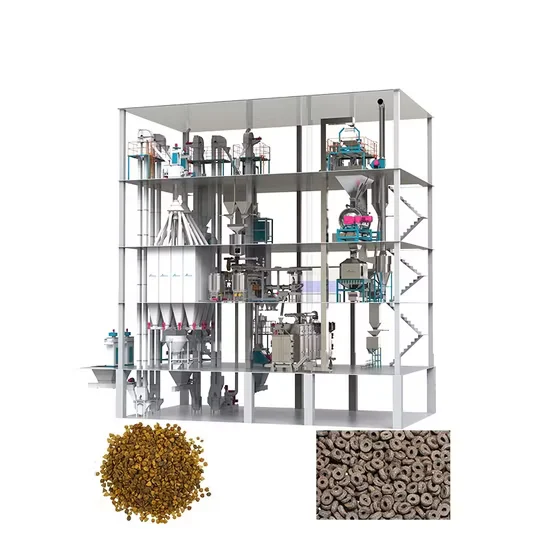
The vacuum coater does not operate in isolation; its performance is heavily influenced by upstream and downstream processes. The moisture content of the kibble entering the coater is a decisive factor. If the product is too wet, the vacuum system may struggle to achieve the necessary pressure differential, and the fat may emulsify with surface water rather than absorbing into the pores. A Cross-Flow Circulation Dryer is typically used to bring the kibble to a precise moisture target before coating, ensuring the pores are open and ready for fat intake.
Automation plays a vital role in maintaining consistency across batches. Modern systems allow for recipe management, storing specific vacuum profiles, spray durations, and temperature settings for different products. This reduces human error and ensures that a change in formula or fat type does not compromise quality. For facilities producing multiple SKUs, the ability to quickly recall validated parameters is indispensable for efficient operations.
Cleaning and changeover speed are also critical for contract manufacturers who switch between recipes frequently. The design of the coating drum and spray nozzles should facilitate rapid cleaning to prevent cross-contamination of flavors or allergens. Equipment selection should prioritize accessibility and ease of maintenance, allowing service teams to perform routine checks without extensive downtime. Shandong Arrow Machinery supports this integration by offering engineered production lines where each component, from extrusion to coating, is configured to match the client’s specific utility constraints and footprint.
Frequently Asked Questions
Q: How much fat can a vacuum coating machine add to pet kibble without making it greasy?
A: The amount depends on the kibble’s porosity and density, but vacuum coating can typically achieve fat inclusion rates significantly higher than atmospheric spraying, often exceeding 20-30% by weight. Because the fat is absorbed internally, the surface remains dry to the touch, preventing the greasy feel associated with over-spraying. Exact limits should be determined through material trials with your specific formulation.
Q: Does vacuum coating affect the crunchiness or moisture content of the final kibble?
A: Vacuum coating primarily affects fat content, not moisture. Since the process occurs after drying, the kibble’s moisture level should already be stabilized. The absorption of fat does not reintroduce water, so the crunchiness and texture remain intact. However, proper cooling after coating is necessary to solidify the fat and ensure the final product maintains its structural integrity during packaging.
Q: Can the vacuum coater handle different types of liquid fats and oils?
A: Yes, the system can process various animal fats, vegetable oils, and fish oils. The key requirement is that the fat must be liquid during spraying. The machine’s heating system allows operators to adjust the temperature to accommodate fats with different melting points and viscosities. It is essential to verify the specific viscosity range of your ingredients to optimize spray nozzle performance.
Q: How is the vacuum coating machine cleaned between different fat recipes?
A: Cleaning involves flushing the spray system with a suitable solvent or hot water, followed by a mechanical wash of the drum interior. The design typically includes accessible nozzles and smooth surfaces to minimize residue buildup. For facilities handling allergens, a validated cleaning protocol is recommended. Detailed cleaning procedures and maintenance schedules are provided in the equipment manuals and can be refined during commissioning.
Send your dry pet food formula, target fat inclusion rate, and hourly capacity requirements to receive a customized process layout and technical specifications. Our engineering team can also discuss raw material trials to validate the vacuum coating parameters for your specific product before finalizing the equipment configuration.