Many pet food factories face uneven coating or persistent vacuum leaks during the vacuum spraying stage. The root cause often lies in overlooked details during installation, specifically regarding seal integrity and pump preparation.
Stable vacuum levels and uniform oil distribution depend entirely on correct seal seating and diligent pump maintenance from day one. Proper installation prevents premature wear, reduces unplanned downtime, and ensures consistent product quality for dry kibble and treats.
Pre-Installation Checks for Seals and Vacuum Lines
Before assembling the vacuum coating machine, inspect every sealing component against the specific demands of pet food processing. High-fat formulations and frequent cleaning cycles require materials that resist degradation from oils and sanitizing agents. Verify that all O-rings and gaskets match the manufacturer’s specifications for size and compound. Using mismatched seals leads to micro-leaks that compromise vacuum stability and result in blotchy coating patterns.
Check the flatness of flanges at all vacuum line connections. Even minor warping from shipping or handling can prevent a tight seal, regardless of how tightly you bolt the assembly. Use a straight edge to confirm surface flatness and ensure mating surfaces are free from scratches or debris. Clean the installation area thoroughly to prevent dust or metal shavings from contaminating the sealing faces. Contaminants act as spacers, creating pathways for air ingress that the pump cannot overcome.
Confirm that vacuum lines are supported independently of the machine body. Heavy piping hanging on pump ports creates stress that misaligns internal components over time. Proper support structures maintain alignment and protect the pump housing from mechanical strain. This step is critical for long-term reliability, especially in facilities with high vibration from nearby grinders or mixers.
5 Critical Tips for Pump and Seal Care During Setup
Proper lubrication is the first line of defense against seal failure. Apply food-grade lubricant to O-rings and moving parts as specified in the manual. Dry installation causes friction tears during initial compression, leading to immediate leaks. Ensure the lubricant is compatible with both the seal material and the process environment to avoid chemical breakdown during operation.
Align the vacuum pump drive system with precision. Whether using belts or direct couplings, misalignment generates excessive heat and vibration. These forces accelerate seal wear and damage pump bearings. Use laser alignment tools or dial indicators to verify parallelism and angular alignment. Correct alignment reduces mechanical stress and extends the service life of both the pump and its seals.
Install vacuum gauges and exhaust filters at accessible locations. Gauges allow operators to monitor performance trends rather than just reacting to failures. Exhaust filters prevent oil mist from escaping into the production area, maintaining hygiene standards. Position these components so that routine checks do not require disassembly of major line sections.
Test seal preload under both cold and hot conditions. Materials expand and contract with temperature changes, altering sealing pressure. Run the system empty to establish baseline vacuum levels before introducing product. Record these initial parameters to serve as a reference for future troubleshooting. Deviations from this baseline indicate developing issues with seals or pump efficiency.
Create a logbook for initial run-in data. Document vacuum levels, pump temperature, and noise characteristics during the first week of operation. This record helps distinguish between normal break-in behavior and actual mechanical faults. It also provides valuable data for optimizing maintenance schedules based on actual usage rather than generic recommendations.
Routine Maintenance to Prevent Vacuum Loss in Pet Food Lines
Establish a replacement schedule for seals based on operating hours rather than calendar time. High-cycle operations wear seals faster than intermittent use. Monitor vacuum performance daily and replace seals at the first sign of declining efficiency. Waiting for complete failure risks product quality and increases repair complexity. Regular replacement is cheaper than emergency downtime during peak production.
Monitor vacuum pump oil levels, temperature, and clarity consistently. Dark or cloudy oil indicates contamination from moisture or process vapors. Change oil according to the manufacturer’s guidelines or when visual inspection shows degradation. Clean oil ensures proper lubrication and sealing within the pump mechanism. Neglecting oil quality leads to internal corrosion and reduced pumping capacity.
Clean intake filters regularly to prevent blockage from pet food dust. Fine particles from kibble or treat production can clog filters rapidly, restricting airflow and forcing the pump to work harder. Restricted airflow increases motor load and temperature, accelerating wear on seals and bearings. Implement a cleaning protocol that matches the dust load of your specific product mix.
Integrate maintenance checks into daily shift routines. Operators should listen for changes in pump noise and feel for excessive vibration. Early detection of anomalies allows for planned repairs rather than catastrophic failures. Train staff to recognize the signs of seal leakage, such as hissing sounds or inability to reach target vacuum levels. Proactive monitoring preserves equipment integrity and production consistency.
Troubleshooting Common Seal and Pump Issues
If vacuum levels drop slowly, check for loose fittings or degraded seals first. Use a leak detection spray or ultrasonic detector to pinpoint air ingress points. Small leaks accumulate over time, reducing overall system efficiency. Tighten connections and replace worn seals as needed. If the problem persists, inspect the pump internals for wear or contamination.
Abnormal noise or vibration often signals mechanical misalignment or bearing failure. Stop the machine immediately to prevent further damage. Check coupling alignment and belt tension. Inspect bearings for roughness or play. Replace damaged components before restarting. Running a vibrating pump accelerates seal failure and can cause catastrophic motor damage.
For minor leakage at seal faces, clean the mating surfaces and reapply lubricant. Sometimes, minor debris prevents full seating. If leakage continues, replace the seal. Do not overtighten bolts to compensate for leaks, as this distorts flanges and worsens the problem. Address the root cause by ensuring proper installation and material compatibility.
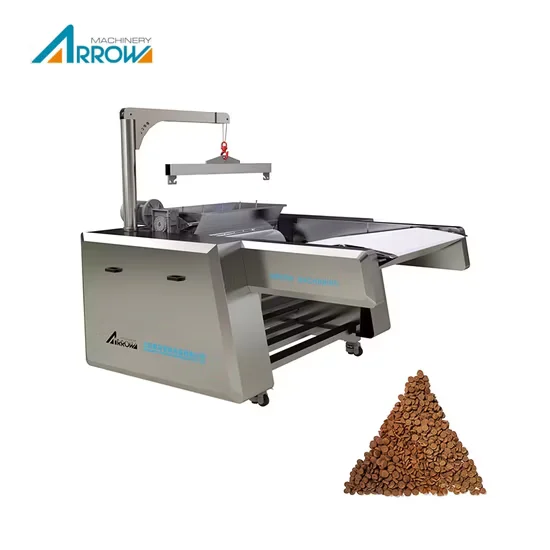
When integrating a Vacuum Coating Machine into an existing line, ensure upstream drying and downstream cooling do not create backpressure or moisture loads that exceed pump capacity. Process engineers should balance the entire line to avoid bottlenecks that stress the vacuum system. Equipment configuration must account for the specific moisture and fat content of the recipe to maintain stable operation.
Frequently Asked Questions
Q: How often should seals be replaced in a pet food vacuum coating machine?
A: Replacement frequency depends on operating hours and product type. High-fat or abrasive formulations accelerate wear. Monitor vacuum performance daily and replace seals when efficiency drops below acceptable levels. Generally, inspect seals every 500 operating hours and replace them proactively to prevent unexpected downtime and maintain coating quality.
Q: What type of lubricant is safe for vacuum pump seals in food processing?
A: Use only food-grade lubricants approved for incidental contact with food products. These lubricants resist breakdown from heat and moisture while protecting seal materials. Avoid petroleum-based oils unless explicitly permitted by the pump manufacturer. Compatible lubricants ensure hygiene compliance and extend seal life by reducing friction and chemical degradation.
Q: Why is my vacuum coating machine losing suction after installation?
A: Post-installation suction loss often stems from improper seal seating, loose fittings, or contaminated mating surfaces. Verify that all O-rings are correctly installed and lubricated. Check flange flatness and bolt torque. Ensure vacuum lines are supported to prevent stress on connections. Leak detection tests can identify specific ingress points for targeted repair.
Q: Can dust from pet food kibble damage the vacuum pump?
A: Yes, fine dust can clog intake filters and enter the pump, causing abrasion and oil contamination. Regularly clean or replace intake filters to maintain airflow. Install appropriate filtration systems to protect the pump from particulate matter. Neglecting filter maintenance leads to reduced efficiency, increased wear, and potential pump failure over time.
To ensure your coating system matches your specific formulation and capacity needs, share your raw material ratios and target output. Request technical specifications and layout diagrams to visualize integration with your existing drying and mixing modules. Discuss trial options to validate performance with your actual ingredients before finalizing equipment configuration.