


Process & Design
How Lab Scale Pet Food Extruder Machine for R&D CE Certified works in your plant
Recipe validation first — Simulate full-scale screw configurations and thermal dynamics to prevent production line failures.
Technical Specifications
| Parameter | Value |
|---|---|
| Product | AYT Lab Scale Twin-Screw Extruder for Pet Food R&D |
| Model | AYT |
| Type | Double Screw Extruder Machine |
| Output | 100-200kg/H |
| Power Source | Electric |
| Voltage | 380V |
| Frequency Converter | Siemens |
| Contact Material | 304 Stainless Steel |
| Heating Temperature | Adjustable |
| Process | Thermal Processing |
| Automatic Grade | Automatic |
| Raw Materials | Fish Powder, Born Meal, Corn, Soyabeen |
| Feed Type | Meat and Bone Meal |
| Application | Dog, Fish, Cat |
| Final Product | Animal Food |
| Standards | CE&ISO |
| Certification | CE&ISO |
| Warranty | 1 Year |
| After-sales Service | Online 24/7 Installation Guide |
| Customization | Available |
Application Suitability
| Product / Industry | Typical Use |
|---|---|
| Dry Pet Food Manufacturers | Testing kibble formulations and texture consistency for dog and cat food lines. |
| Aquafeed Producers | Evaluating floating and sinking feed characteristics using fish powder blends. |
| Private-Label Treat Plants | Prototyping small-batch snacks with minimal material waste before full production. |
| Specialty Feed Developers | Validating ingredient interactions for small-animal feeds or novel product shapes. |
Why Lab-Scale Validation Prevents Costly Production Failures
Simulating industrial shear and heat profiles is non-negotiable for reliable scale-up. Many pet food plants face a critical gap between laboratory recipes and industrial output. A formula that performs perfectly in a beaker can fail catastrophically on a production extruder, causing die clogging, inconsistent pellet shapes, and extended downtime. This occurs because small-scale mixers cannot replicate the shear forces and thermal dynamics of a running twin-screw system. Without proper pilot testing, manufacturers risk committing to massive production runs with unverified processes.
Positioning in the R&D Workflow
The AYT Lab Scale Twin-Screw Extruder serves as the critical bridge between formulation and mass production. It sits upstream of industrial drying and coating systems, allowing R&D teams to generate representative samples for quality assessment. By processing 100-200kg/h, it provides enough material for sensory evaluation and stability testing without the waste associated with full-line trials. This ensures that only validated recipes move to the main production floor.
Common Challenges in Formulation Scale-Up
Raw material variability often disrupts consistent extrusion. Ingredients like fresh meat or high-oil meals behave differently under pressure compared to dry meals. Inconsistent particle density can lead to uneven cooking or poor buoyancy in aquafeed. Furthermore, frequent recipe changes in R&D environments demand equipment that is easy to clean and adjust. Failure to account for these variables during the pilot phase results in unstable production metrics and product rejection.
Core Specification Insights
The Siemens frequency converter provides precise control over screw speed, ensuring repeatable trial results essential for data-driven formulation adjustments. Adjustable heating temperatures allow engineers to fine-tune thermal profiles, accommodating sensitive ingredients or specific texture requirements without degrading nutrients. Constructed from 304 stainless steel, the contact parts meet strict hygiene standards, facilitating rapid cleaning between diverse recipe trials. This material choice also ensures durability against corrosion from saline or acidic feed components. The automatic grade simplifies operation, allowing researchers to focus on process parameters rather than manual controls.
Hidden Costs of Incorrect Equipment Selection
Choosing an undersized or poorly controlled lab extruder leads to significant隐性 costs. Inaccurate data from pilot runs forces repeated industrial trials, wasting raw materials and energy. Inconsistent sample quality misleads decision-makers, resulting in flawed product launches. Additionally, equipment that lacks flexibility requires costly modifications or replacement when expanding into new product categories. These inefficiencies delay time-to-market and erode profit margins before the first commercial batch is sold.
Why Source This Equipment from Arrow
Arrow integrates process engineering expertise directly into equipment design, ensuring the AYT model reflects real-world production demands. The company supports raw-material trials, allowing buyers to verify performance with their specific formulations before purchase. Customization options enable adjustments to screw configurations based on target product density and shape requirements. Comprehensive technical support includes online guidance for installation and troubleshooting, reducing dependency on local service networks. This approach minimizes risk for R&D centers investing in scalable technology.
Documentation & Delivery
- Detailed technical specifications sheet outlining model capabilities and limits.
- Operational manual with safety guidelines and routine maintenance schedules.
- Factory acceptance test records verifying performance against agreed parameters.
- Export packaging designed for secure international shipping of precision machinery.
- CE and ISO certification documents provided per contractual agreement.
Installation, Operation & Maintenance
- Verify 380V power supply compatibility and ensure proper grounding for safe operation.
- Follow the online 24/7 installation guide for initial setup and component alignment.
- Conduct trial runs with standard ingredients to calibrate heating and screw speed settings.
- Clean 304 stainless steel contact parts thoroughly after each recipe change to prevent cross-contamination.
- Replace wear parts according to the maintenance schedule to maintain consistent extrusion pressure.
Requesting a Technical Configuration
To receive an accurate proposal, specify your target products, such as dry kibble or floating fish feed. Provide estimated ingredient ratios, particularly fresh meat content, and required output capacity. Share your laboratory dimensions, voltage requirements, and destination country. Our engineering team will then recommend a configuration, provide a layout plan, and arrange any necessary trial sessions to validate your process.
Frequently Asked Questions
Q: What raw materials can be processed in the AYT lab extruder?
A: The machine handles fish powder, bone meal, corn, and soybean, suitable for various animal food types. It supports meat and bone meal formulations, allowing diverse ingredient testing for pet and aquafeed applications.
Q: How does the 100-200kg/h capacity support scaling to industrial production lines?
A: This output range provides sufficient sample volume for comprehensive quality testing and sensory evaluation. It mimics industrial shear conditions, ensuring that successful pilot results translate reliably to larger production scales without unexpected failures.
Q: Is the Siemens frequency converter standard or optional for this model?
A: The Siemens frequency converter is a standard feature, ensuring precise control over screw speed. This integration guarantees stable process parameters and repeatable trial results, which are critical for accurate R&D data collection.
Q: What after-sales support is provided for laboratory equipment installation?
A: Buyers receive access to an online 24/7 installation guide. This resource assists with setup, initial commissioning, and troubleshooting, ensuring your team can operate the equipment efficiently without immediate onsite visits.
Q: Can this extruder handle high-moisture or fresh meat ingredients for wet food trials?
A: Yes, the system is designed for thermal processing of diverse raw materials, including those with higher moisture content. However, specific formulation ratios should be discussed with the engineering team to optimize screw configuration and heating profiles.
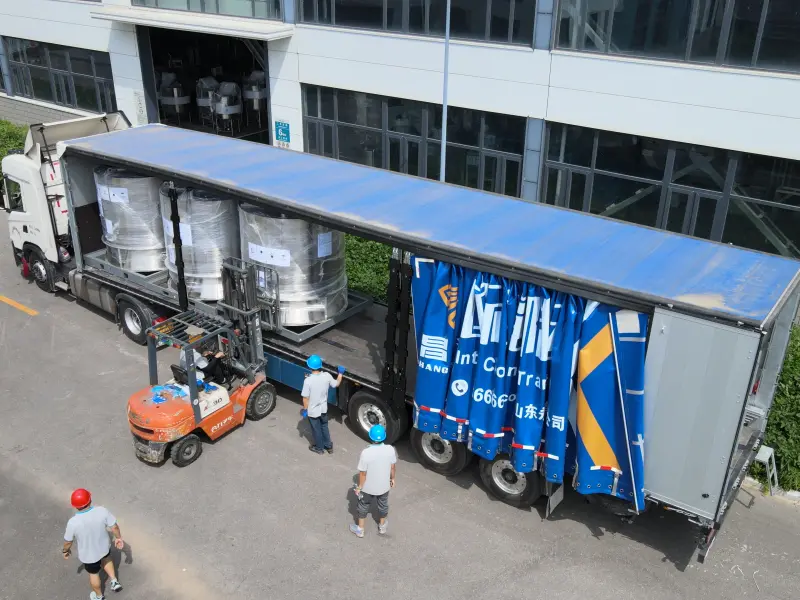
Shipping
Container sea freight or rail · spare parts by air
Delivery & Support
From factory acceptance to stable production
Every Shandong Arrow Machinery machine ships with full documentation, on-site commissioning support and a spare-parts channel tied to its serial number, so your line keeps running after start-up.
-
Shipping documents
Equipment specification, configuration list, drawings where applicable, operation manual, packing list, commercial invoice and export documents.
-
Testing & inspection
Factory test records, videos, inspection reports and material declarations, by product type and contract.
-
Installation & training
Installation, commissioning, operator training and maintenance guidance, with the scope set in your contract.
-
Spare parts
Screws, extrusion dies, gearboxes and wear parts, supplied against your machine's serial number or model.
Same Category
Related pet food machines
These machines and lines sit in the same process family, so you can build a complete line or add a single stage with them.

Commercial Cold Press Dog Kibble Manufacturing Plant
View details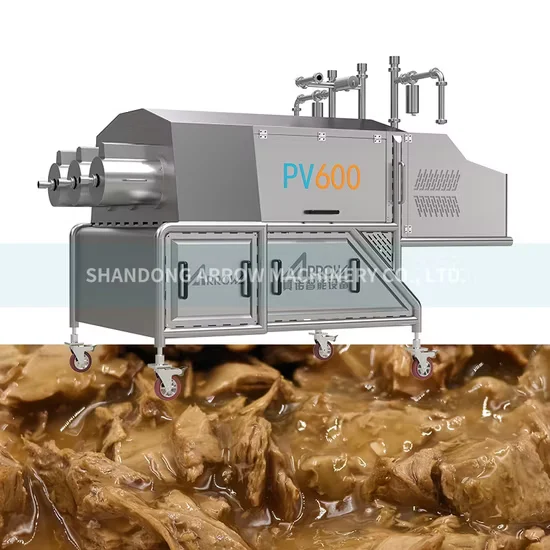
Pet Wet Meat Food Production Line and Plant Equipment
View details
Cold Extrusion Equipment for Pet Treats Manufacturing
View details
Cold Extrusion Production Line for Pet Meat Sticks
View details
Not sure this configuration fits your formula?
Tell us your target product, raw materials and output in kg/h. Our engineers confirm the process first, then recommend the extrusion and drying setup.
Applications
Pet products this machine is built for
This equipment is configured for the pet product types below. Open an application to see the full process route and matching machines.
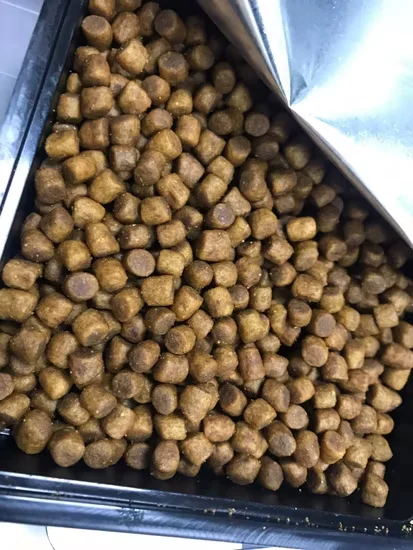

Engineering Notes
Selection guides & technical articles
Read how process engineers choose extrusion, drying and coating setups for pet food before they commit to a configuration.
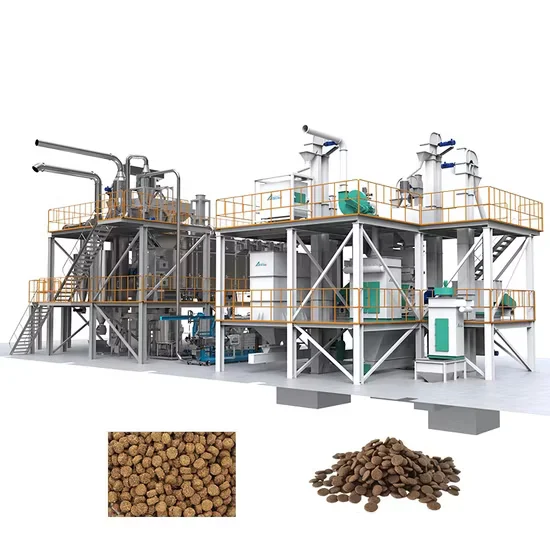
Jerky vs Dry Pet Treat Equipment: A Guide for Canadian Makers
Read article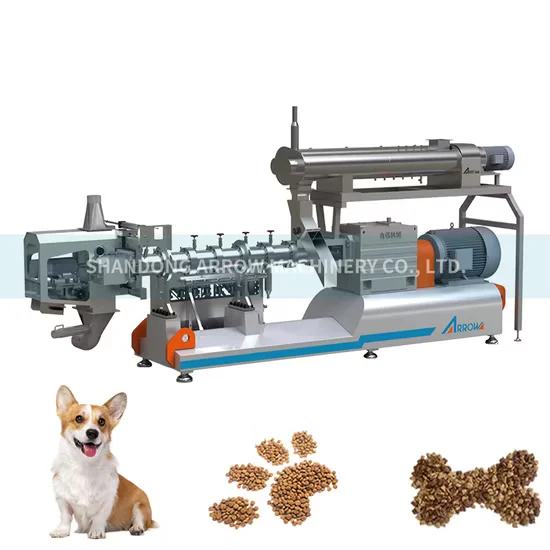
Dry Kibble Line Setup Guide for Pet Food Plants in Egypt
Read article
5 Key Machines to Start a Small Kibble Plant in Nigeria
Read articleFAQ
Questions buyers ask about this machine
Short answers on trials, lead time, documents and spare parts from Shandong Arrow Machinery, a pet food machinery manufacturer in Jinan, China.
Can I test my formula before I order?
Yes. Where conditions allow, we arrange formula and process trials on our process test platform, and you can send your own raw material for testing. Agreed raw-material tests are completed before production or shipment.
What is the lead time?
The lead time is stated in your formal quotation, based on the confirmed model, configuration and scope of supply. Machines ship by container sea freight or rail, and spare parts can go by air.
Which documents come with the machine?
You receive the final equipment specification, configuration list, equipment drawings where applicable, operation manual, packing list, commercial invoice and export or shipping documents. Factory test records, videos, inspection reports and material declarations are provided according to product type and contract.
How do I get spare parts after commissioning?
Send us your machine's serial number or model and we match the right parts. We supply screws, extrusion dies, gearboxes and wear parts, along with process consultation and service.
More answers on our pet food machinery FAQ page.
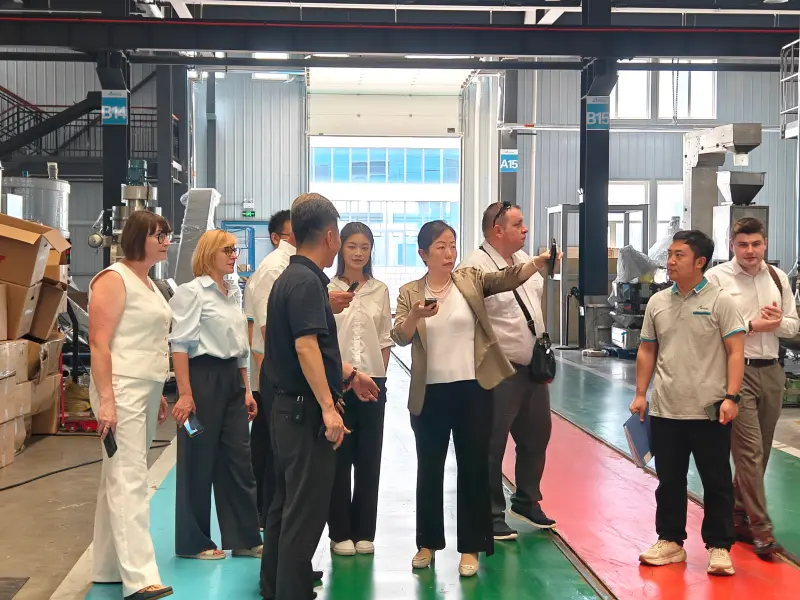
Request a quote for Lab Scale Pet Food Extruder Machine for R&D CE Certified
Share your target product and output. You receive a technical proposal with model, scope of supply and options.
- WhatsApp +86 137 9316 7756
- Email info@arrowextrusion.com
- No. 47 Chengbohu Road, Jibei Subdistrict, Jiyang District, Jinan, Shandong, China